
Truck Parking Solutions: Supporting Safety, Efficiency, and the Logistics Industry
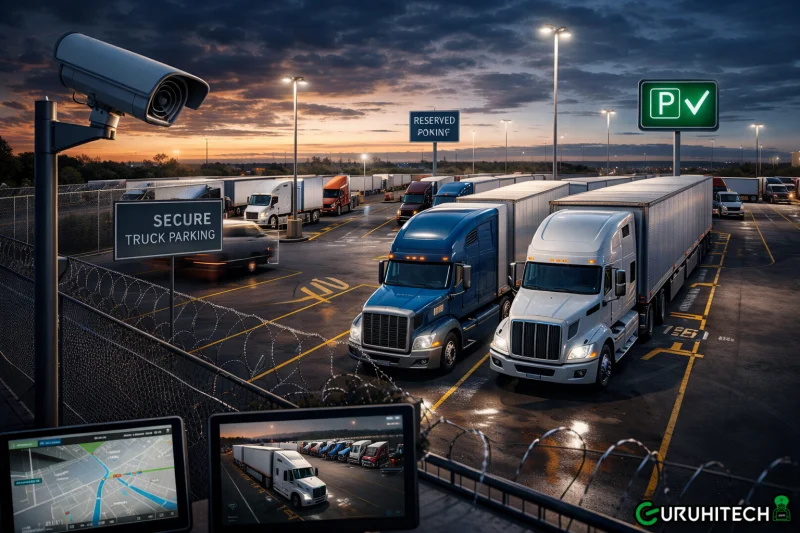
Truck parking is a critical yet often overlooked component of transportation infrastructure that directly impacts road safety, supply chain efficiency, and the daily operations of the logistics industry. Commercial truck drivers depend on reliable, well-planned parking facilities to comply with hours-of-service regulations, rest safely, and manage long-haul routes effectively. Without adequate truck parking, drivers face increased stress, safety risks, and operational inefficiencies, which can ripple across the entire transportation network.
As freight demand continues to grow, the need for organized, secure, and accessible truck parking has become more urgent. Truck parking facilities serve as essential support systems for drivers, carriers, and communities by reducing congestion, preventing illegal roadside parking, and promoting safer highways. Understanding the role, design, and management of truck parking is key to addressing one of the most persistent challenges in modern transportation.
The Importance of Truck Parking
Truck parking plays a vital role in ensuring compliance with federal and industry regulations that govern driving hours and rest periods. Drivers are legally required to take breaks and rest after a certain number of driving hours, and without adequate parking options, compliance becomes difficult. Safe and available truck parking allows drivers to stop when needed rather than continuing to drive while fatigued or parking in unsafe locations.
Beyond regulatory compliance, truck parking contributes significantly to road safety. When drivers are forced to park on highway shoulders, ramps, or unauthorized areas, the risk of accidents increases for both truck drivers and other motorists. Properly designated truck parking facilities reduce these hazards by providing structured spaces designed to accommodate large vehicles safely and efficiently.
Types of Truck Parking Facilities
Truck parking facilities come in various forms, each designed to meet specific operational needs. Public truck parking areas, such as rest areas and weigh stations, provide basic amenities and short-term parking for drivers taking mandatory breaks. These locations are typically funded and maintained by government agencies and play an essential role in supporting highway safety.
Private truck parking facilities include truck stops, travel centers, and dedicated commercial lots. These facilities often offer extended parking options along with amenities such as fueling stations, food services, showers, maintenance services, and security features. Industrial and warehouse complexes may also provide on-site truck parking to support logistics operations, staging, and loading activities. Each type of facility addresses different aspects of driver needs and freight movement.
Design Considerations for Truck Parking
Designing effective truck parking requires careful planning to accommodate large vehicles while ensuring safety and efficiency. Space dimensions, turning radii, lane widths, and clearance heights must be sufficient to allow trucks to maneuver without difficulty. Poor design can lead to congestion, damage to vehicles, or unsafe conditions within the parking area.
Traffic flow is another critical factor. Well-designed entrances and exits reduce bottlenecks and minimize conflicts between entering and exiting vehicles. Clear signage, pavement markings, and designated pedestrian areas improve navigation and safety. Proper lighting enhances visibility during nighttime hours, contributing to both security and ease of use. Thoughtful design ensures that truck parking facilities function smoothly even during peak demand periods.
Safety and Security in Truck Parking
Safety and security are top priorities in truck parking facilities, particularly for drivers who may rest overnight or leave vehicles unattended. Security measures such as controlled access, fencing, surveillance cameras, and on-site personnel help protect drivers, cargo, and equipment. Adequate lighting throughout the facility reduces blind spots and discourages criminal activity.
Emergency access and communication systems are also important components of secure truck parking. Drivers should feel confident that help is available if needed, whether due to vehicle issues, health concerns, or security threats. Facilities that prioritize safety foster trust and encourage consistent use by drivers and carriers alike.
Truck Parking and Driver Well-Being
Truck parking has a direct impact on driver well-being and overall job satisfaction. Long-haul driving is physically and mentally demanding, and access to safe, comfortable parking allows drivers to rest properly and maintain their health. Facilities that provide restrooms, showers, dining options, and quiet rest areas contribute to a more humane and sustainable working environment.
When drivers are well-rested and less stressed, their performance improves, and accident risks decrease. Supporting driver well-being through adequate truck parking is not only a safety measure but also a workforce retention strategy in an industry facing ongoing driver shortages.
The Role of Truck Parking in Supply Chain Efficiency
Efficient truck parking supports smoother freight movement and supply chain reliability. When drivers can plan routes knowing that parking will be available, deliveries are more predictable and schedules are easier to maintain. Delays caused by searching for parking or parking violations can disrupt logistics operations and increase costs for carriers and shippers.
Strategically located truck parking near ports, distribution centers, and major freight corridors improves staging, reduces congestion, and enhances coordination between transportation modes. By supporting timely rest and compliance, truck parking contributes to more efficient and resilient supply chains.
Technology and Modern Truck Parking Solutions
Technology is increasingly shaping the future of truck parking. Real-time parking availability systems, mobile apps, and digital reservation platforms help drivers locate and secure parking spaces more efficiently. These tools reduce the time spent searching for parking and improve compliance with driving regulations.
Smart parking systems also provide valuable data for facility operators and planners, helping them understand usage patterns, peak demand, and capacity needs. Automated access controls, digital payment systems, and license plate recognition further streamline operations and enhance security. As technology advances, truck parking continues to evolve toward greater efficiency and convenience.
Environmental Considerations in Truck Parking
Environmental sustainability is becoming an important consideration in truck parking design and operation. Proper idling management, electrification options, and shore power systems reduce emissions and fuel consumption while vehicles are parked. These measures improve air quality and support broader environmental goals.
Sustainable design elements such as efficient lighting, stormwater management systems, and durable pavement materials reduce environmental impact and long-term maintenance costs. By integrating sustainability into truck parking infrastructure, facilities can support both operational efficiency and environmental responsibility.
Challenges Facing Truck Parking Infrastructure
Despite its importance, truck parking infrastructure faces significant challenges. Demand for parking often exceeds supply, particularly along major freight corridors and near urban centers. Limited space, high development costs, and zoning restrictions can make it difficult to build new facilities or expand existing ones.
Community concerns, such as noise, traffic, and environmental impact, can also complicate development efforts. Addressing these challenges requires collaboration between government agencies, private operators, industry stakeholders, and local communities to develop solutions that balance economic needs with quality of life considerations.
Planning and Policy Considerations
Effective truck parking solutions require strategic planning and supportive policies. Transportation agencies and planners must consider truck parking needs as part of broader infrastructure development and freight planning efforts. Incentives for private investment, public-private partnerships, and flexible zoning policies can help expand capacity where it is most needed.
Clear regulations, consistent enforcement, and data-driven planning support more efficient use of existing facilities while guiding future development. Thoughtful policy frameworks ensure that truck parking remains aligned with safety, economic, and environmental objectives.
The Future of Truck Parking
The future of truck parking will be shaped by changing freight patterns, technological advancements, and evolving regulatory requirements. As e-commerce grows and supply chains become more complex, demand for reliable parking will continue to increase. Autonomous vehicle technology, electrification, and data integration may further transform how truck parking is designed and managed.
Facilities that adapt to these changes by incorporating flexibility, technology, and sustainability will be better positioned to meet future needs. Investing in forward-looking truck parking solutions supports long-term resilience in the transportation system.
Conclusion: Truck Parking as a Critical Transportation Asset
Truck parking is an essential component of a safe, efficient, and reliable transportation network. By providing secure and accessible spaces for rest and compliance, truck parking protects drivers, supports supply chain efficiency, and enhances road safety for all users. Well-designed and well-managed truck parking facilities reduce congestion, prevent unsafe roadside parking, and contribute to the overall stability of the logistics industry.
As freight demand grows and transportation challenges evolve, the importance of truck parking will only increase. Strategic planning, investment, and collaboration are necessary to ensure that truck parking infrastructure meets current and future needs. By recognizing truck parking as a critical transportation asset, stakeholders can support driver well-being, economic growth, and safer highways for everyone.
Scopri di più da GuruHiTech
Abbonati per ricevere gli ultimi articoli inviati alla tua e-mail.