
When to use a desiccant vs compressor dehumidifier
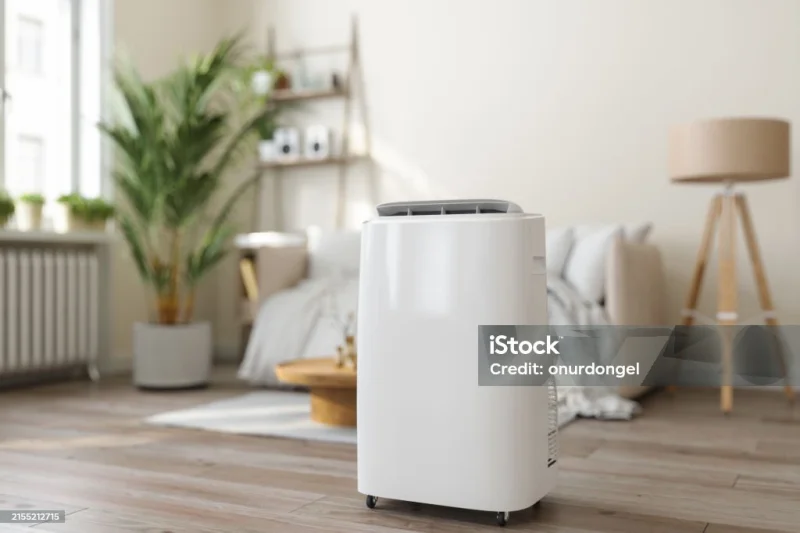
Welcome back everyone, today we are going to cover a very important topic when selecting the best dehumidifier for your home.
Do you know the difference between a desiccant and compressor dehumidifier?
Let me explain the two types so you can decide which option is best for you.
Operating Principles
OK, before we get into what type you should get, let’s review how they work. A compressor dehumidifier pulls air into the unit and passes it over cold coils.
The moisture from the air collects on the coils and drips into the bucket. Finally, the air is reheated before blowing back out into the room.
A desiccant dehumidifier uses a material that absorbs water. It soaks up moisture from the air as it passes over the material. The water drains into the bucket and dry air is blown back into the room. The desiccant rolls through a heating element that dries it out in order to be reused.
Temperature Is Key
The most important factor in selecting which type of dehumidifier you need is temperature. Compressor style dehumidifiers work best when the temperature stays above 65°F.
For that reason, you should use them in warm areas of your home such as family rooms, bedrooms, and basements during the summer. You will get great moisture removal performance without sacrificing efficiency.
Desiccant dehumidifiers have no problem running in temperatures below 40°F. That makes them ideal for drying out an unfinished garage, storage shed, or your basement during the winter. Don’t let cold temperatures stop them from working.
Size and Weight
Where will you be using the dehumidifier? If you plan on setting it someplace and leaving it there then compressor style may be right for you. These units tend to be larger and heavier than desiccant models. A good choice would be for permanent installation in a basement or perhaps a laundry room.
If you want to move your dehumidifier from room to room then look into purchasing a desiccant model. These are typically lighter and easier to move around. They would be ideal if you need to remove moisture from different areas of your home at different times during the week. Dry your bathroom one day and the closet the next.
Noise Considerations
How much noise are you willing to put up with? This is especially important if you will be using the dehumidifier in a bedroom or home office. Desiccant dehumidifiers operate much more quietly than compressor types. These produce a gentle hum and won’t bother you.
Compressor units have moving parts and a fan. These produce more noise and are better suited for garages, basements, or laundry rooms.
Electricity Usage
Compressor style dehumidifiers are more efficient when it comes to electricity usage. They do a better job removing large amounts of moisture from warm air while using less power. Therefore, if you plan on running your dehumidifier every day you will pay lower electricity costs each month.
Desiccant models use more electricity because it has to heat the desiccant material. Monthly electricity bills will be higher if you run the unit constantly. Therefore, these are better in situations where you can only run the dehumidifier every now and then.
Speed Of Moisture Removal
How fast do you need to remove moisture? If you need to remove a lot of water from the air quickly then a compressor is the way to go. These units can suck several cups of water out of the air in just one day. They are ideal for very humid conditions or flooding situations.
Desiccant models take longer to remove moisture from the air. These are better used for keeping humidity levels low. An example would be using it to prevent the build up of mildew in a closet or small room.
Particular Conditions
There are some situations where one type is clearly better than the other. Do you live in a cold area? If so then you need a desiccant dehumidifier for drying out unheated areas in the winter. You can’t use a compressor style dehumidifier if there is frost present.
Do you live in a hot humid climate? Then you definitely want to grab a compressor dehumidifier. They can handle large amounts of moisture without breaking a sweat. You also save on electricity costs by choosing compressor style.
Do you need to dry clothes indoors? If so then look into desiccant dehumidifiers. They put out warm dry air which will help reduce drying time. Many apartment dwellers use these to dry clothes indoors.
Maintenance
Another thing to consider is maintenance. Compressor dehumidifiers will require you to clean the coils on a regular basis to prevent frost from building up. You will also need to empty the tank more frequently during times of high humidity. Some models allow you to hook up a continuous drain.
Desiccant dehumidifiers require very little maintenance. The desiccant material will last for many years without having to replace it. You should still clean the filter and empty the tank on a regular basis. Due to their simplicity, they often have fewer mechanical failures.
Cost
On average compressor dehumidifiers are cheaper. You can find several inexpensive models that will work great for your home. Therefore, if this is your first dehumidifier compressor style may be the best option.
Desiccant dehumidifiers are usually more expensive. However, that additional cost gives you versatility and quiet operation. Maybe the extra investment is worth it for your particular situation.
Case Study: When to Use a Desiccant vs Compressor Dehumidifier
UK advice site offers pros/cons of desiccant vs compressor dehumidifiers – fully aligned with your article.
If you’re looking for an on-topic case study directly from the UK, the home-advice site Ideal Home has published a useful guide to desiccant vs compressor dehumidifiers written for non-expert consumers.
The guide lists some of the practical differences between desiccant and compressor dehumidifiers —including how well they work in colder temperatures, power consumption, humidity removal rates, noise levels, best rooms to use them in (basements, bedrooms or elsewhere) etc — that directly reflect the points made in your own article.
Which situations are compressor dehumidifiers best suited to?
These tend to be more energy-efficient in warm environments (over ~15 °C), as they can remove higher volumes of water at relatively low running costs when in their ideal conditions.
When are desiccant dehumidifiers the best choice?
Desiccant machines are fantastic for cooler, even unheated environments where a compressor would struggle to extract moisture, such as a garage or utility room – they also tend to be quieter overall and deliver consistent performance.
As with your article, this UK-based case shows there’s no simple answer of “you should always use X” — but rather it depends on your ambient room conditions and how you intend to use it.
FAQs about Desiccant vs Compressor Dehumidifiers
What’s the main difference between desiccant and compressor dehumidifiers?
Basically, how they remove water from the air. A compressor-style pumps air over cooled coils that condense moisture (ideal for warm environments), while a desiccant uses a moisture absorbing material that can work just as well in cool or cold spaces.
Which type of dehumidifier is better for cold rooms or garages?
Desiccant dehumidifiers are often better for colder areas that can fall below ~15 °C like garages, cellars or any unheated room since they don’t use heat as their primary moisture collecting method.
Are compressor dehumidifiers more energy efficient?
When running in warmer environments (above ~15 °C), compressor dehumidifiers often have better energy-efficiency ratings because they’re able to extract moisture quickly using less energy per amount of water extracted.
Do desiccant models use more electricity?
Desiccants can consume more power in a given time because they need to heat up the collection material to reset the drying cycle. However, they’re able to sustain their water removal rate and can actually be more cost-effective at removing moisture (especially in cool conditions).
Which type of dehumidifier is quieter?
Since they don’t contain a large compressor or moving refrigeration parts, desiccant dehumidifiers are quieter on average. This makes them ideal for bedrooms or offices.
Can I run a desiccant dehumidifier all year round?
Yes! Desiccant dehumidifiers can work in very cool conditions and all the way up to warm air too. They’re great for year-round use if you tend to have cooler rooms or unheated spaces in your home.
Which is better for drying clothes indoors?
Desiccant models blow warm dry air from the machine which can help reduce drying times if you’re drying clothes indoors, which can be a nice perk some householders need or want.
Is one type of dehumidifier better than the other overall?
Not necessarily — your intended use case is what matters most. Compressor dehumidifiers tend to be better for warm, regularly lived-in rooms. Desiccants are a great choice for cold, unheated, or sporadically used rooms.
Final Words
Which one should you get? Hopefully after reading this article, you can answer that question yourself. Just ask yourself these questions. What is the temperature going to be like? If it’s warm then the compressor. If it’s cold then desiccant.
How much noise are you willing to tolerate? Need quiet? Then desiccant. Don’t care? The compressor is fine. How much can you spend on purchase price and operating costs? Looking to save money in the long run? Then compressor models have lower utility bills.
Do you need to move the unit around? Want to be able to take it from room to room? Then desiccant is more portable. As you can see there isn’t a good dehumidifier. They both work great if you use them in the right situation. Think about what your individual needs are before making a decision.
Scopri di più da GuruHiTech
Abbonati per ricevere gli ultimi articoli inviati alla tua e-mail.