
Why Ludo Remains a Favourite Choice for Everyday Digital Entertainment
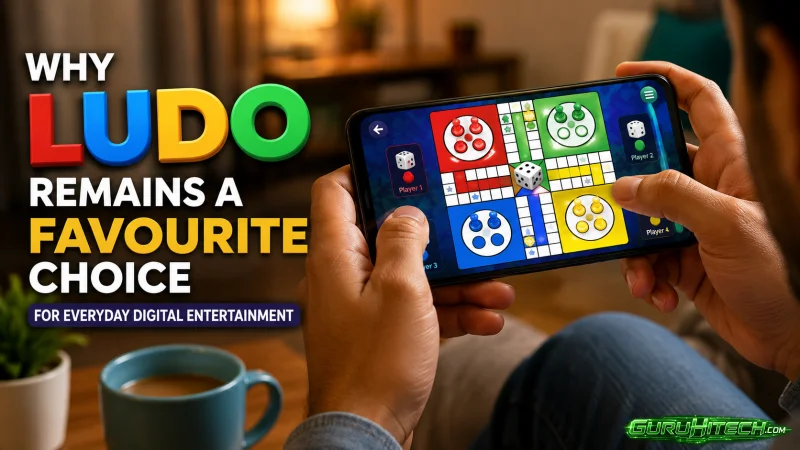
A few free minutes do not always call for a long video, a complicated game, or a planned activity. Sometimes a familiar board and a short match are enough. Ludo Money formats have made this traditional game available on mobile phones, allowing adults to play a quick game whenever they have time. It is clear why this game is popular: the board is familiar, and the game is easy to play.
Ludo has lasted because it does not demand much preparation. Players can open a game, view the board, and begin without studying layers of instructions. Coloured tokens, marked paths, and a clear finishing area keep the screen easy to read. That simplicity remains valuable in a digital environment filled with games that can feel overly busy or difficult to follow.
A Game That Fits Real Schedules
A day-to-day routine rarely leaves long, undisturbed periods for entertainment. Mobile Ludo games work perfectly well for shorter periods, like breaks between activities, travel, or quiet time at home. To play this game, no special arrangement is required, nor any board game, nor any planned get-together.
This is one of the best features of this game. A person can simply pick the most convenient moment instead of arranging some activities around the game. Additionally, it has a clear start and finish, which might appeal to those who like a set time limit for their relaxation.
The mobile format adds convenience while retaining the familiar nature of the board. Tokens remain visible, routes are easy to trace, and the movement of the game is presented in one place. Players do not need special equipment or detailed knowledge to take part.
Familiar Does Not Mean Passive
Ludo is easy to approach, but it still gives players decisions to make. On each turn, players look at the board and decide which token to move. One option may bring a token closer to the finishing area. Another may help maintain a useful position for the next stage of the match.
These choices keep the session active. Players are not simply watching an animation or waiting for a result. They observe the board, review their options, and choose a move. The decisions are uncomplicated, yet they shape how the match develops.
That is why Ludo works as a skill-based game. Gameplay involves attention, judgement, and awareness of the current board position. Outcomes depend on a player’s skill and decisions. No winnings are guaranteed, and no match should be approached with an assumption about its final result.
Why the Board Still Works
The Ludo board has a practical visual structure. Its colours separate different starting areas, while the paths provide a clear direction for token movement. This design makes the game easy to understand at a glance.
In digital form, a well-designed board can make play even smoother. Clear token positions, readable prompts, and responsive controls reduce unnecessary effort. The player can focus on the match rather than trying to interpret the interface.
A good mobile experience often includes:
- A clean board that remains easy to view on a small screen
- Controls that respond clearly to player input
- Visible updates that show how the match is progressing
- Simple navigation between the main screen and a game session
- A layout that keeps the focus on the board
These details may appear minor, but they shape the experience. When the design is clear, the game feels more relaxed and easier to revisit.
An Enjoyable Form of Participation
Many digital activities are passive. People may scroll through feeds, watch clips, or listen without needing to choose. Ludo offers a different kind of break. It asks players to remain present, follow the board, and take part in a short activity.
The pace is one reason this works. The game has enough movement to hold attention, but it does not rely on constant visual noise or rapid responses. A player can consider a move, follow what happens next, and remain engaged without feeling rushed.
This makes Ludo suitable for moments when a person wants something more involved than passive entertainment but less demanding than an intensive game. The experience stays light because the basic format is familiar. At the same time, each match can develop differently because players make decisions throughout the session.
Connection Through a Shared Board
Ludo can also be enjoyable because the board is shared. Players follow the same layout while responding to changing positions and moves. Even when participants are in different locations, the match creates a common activity with a clear focus.
The social side of the game is uncomplicated. No lengthy coordination or detailed planning is needed. Players enter a match, take turns, and follow its progress. This can make a short session feel more engaging than an individual activity.
The game’s structure supports friendly competition without making the experience overly serious. The objective is visible, each turn has a purpose, and the board keeps everyone focused on the same activity. That balance helps Ludo remain suitable for regular digital entertainment.
Responsible Entertainment Matters
Ludo should be enjoyed as entertainment. Its value comes from taking part in a familiar board-based activity, making gameplay choices, and enjoying a short period of play. It is not a financial opportunity, and it should never be treated as one.
A responsible approach means recognising that results differ from match to match. Players can focus on their decisions and enjoy the process without expecting a particular outcome. Since outcomes depend on skill, there is no guarantee of winning.
Setting personal time limits can also support balanced play. A planned session is often more enjoyable because it fits into a broader routine rather than interrupting it. The goal is a pleasant break, not pressure or unrealistic expectations.
A Place for Skill-Based Ludo
Zupee offers adult players a mobile setting for skill-based Ludo entertainment. The platform brings the familiar board to a digital format, allowing participants to make decisions and enjoy matches from a compatible device.
The purpose of play is entertainment. A match involves player choices and board awareness, and its result depends on skill. There is no guarantee of winning. Keeping this perspective makes the experience more balanced and aligned with responsible gaming principles.
Conclusion
Ludo remains a favourite choice because it is easy to recognise, convenient to access, and enjoyable in short sessions. It offers a clear board, simple participation, and enough decision-making to keep players involved.
Digital platforms have made the game available whenever a suitable break appears, while preserving the familiar qualities that people value. लूडो continues to offer adult players a light, skill-based form of entertainment when approached responsibly and with realistic expectations.
Ti potrebbe interessare:
Segui guruhitech su:
- Google News: bit.ly/gurugooglenews
- Telegram: t.me/guruhitech
- Facebook: facebook.com/guruhitechfb
- Instagram: instagram.com/guruhitech_official/
- X (Twitter): x.com/guruhitech1
- Bluesky: bsky.app/profile/guruhitech.bsky.social
- Rumble: rumble.com/user/guruhitech
- VKontakte: vk.com/guruhitech
- MeWe: mewe.com/i/guruhitech
- Skype: live:.cid.d4cf3836b772da8a
- WhatsApp: bit.ly/whatsappguruhitech
Esprimi il tuo parere!
Ti è stato utile questo articolo? Lascia un commento nell’apposita sezione che trovi più in basso e se ti va, iscriviti alla newsletter.
Per qualsiasi domanda, informazione o assistenza nel mondo della tecnologia, puoi inviare una email all’indirizzo [email protected].
Scopri di più da GuruHiTech
Abbonati per ricevere gli ultimi articoli inviati alla tua e-mail.