
A Complete Guide to Professional Excavation Services and Site Preparation
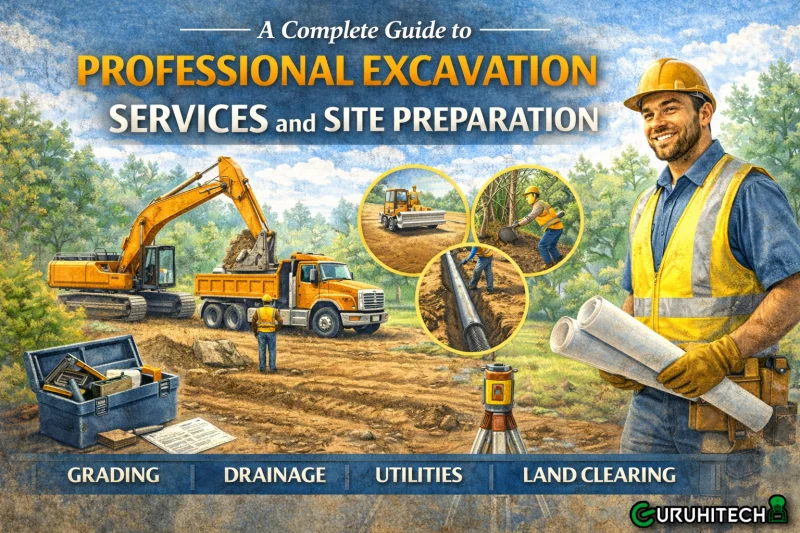
Excavation is one of the most critical phases of any construction or development project. Before foundations are poured, utilities are installed, or structures take shape, the ground must be properly prepared. This process requires precision, planning, and expertise to ensure safety, stability, and long-term success. Poor excavation work can lead to drainage issues, foundation failure, and costly structural repairs.
Understanding how professional excavation services work, what they involve, and why expert handling is essential allows property owners, builders, and developers to make informed decisions. This guide explores excavation fundamentals, equipment, safety considerations, project planning, and the long-term benefits of working with experienced professionals.
Understanding the Role of Excavation in Construction
Excavation is the process of removing earth, rock, or other materials to prepare a site for construction or infrastructure development. It forms the foundation for buildings, roads, utilities, drainage systems, and landscaping features. Accuracy during excavation directly affects structural integrity and project timelines.
The process involves more than digging. It requires evaluating soil conditions, managing water flow, ensuring proper grading, and following engineering specifications. Professional excavation ensures that the site is stable, level, and ready for the next phase of construction.
Types of Excavation Services
Excavation services vary depending on the nature and scope of a project. Each type requires specialized techniques and equipment.
Site Preparation
Site preparation involves clearing land of debris, vegetation, and obstacles before excavation begins. This stage ensures that the site is accessible and safe for heavy equipment and construction crews.
Foundation Excavation
Foundation excavation focuses on creating precise trenches or pits for building foundations. Proper depth, width, and alignment are critical to support structural loads and prevent settling.
Trenching and Utility Installation
Trenching is used for installing utilities such as water lines, drainage systems, and electrical conduits. Accurate trenching protects utility lines and ensures compliance with safety standards.
Grading and Leveling
Grading shapes the land to control water drainage and create stable surfaces. Proper grading prevents erosion, pooling water, and uneven settling.
Equipment Used in Professional Excavation
Modern excavation relies on advanced machinery designed for efficiency and precision. Equipment selection depends on soil conditions, project size, and accessibility.
Excavators are commonly used for digging and material removal. Bulldozers assist with land clearing and grading. Backhoes provide versatility for smaller projects, while loaders move excavated material efficiently. Compaction equipment ensures soil stability after excavation is complete. As part of maintaining consistent performance in demanding conditions, the excavator final drive motor is essential for transferring power to the tracks and supporting efficient machine movement on-site.
Experienced operators understand how to use this equipment effectively while minimizing disruption to surrounding areas.
Soil Analysis and Ground Conditions
Soil composition plays a major role in excavation planning. Clay, sand, gravel, and rock each behave differently under pressure and moisture. Understanding these characteristics helps determine excavation methods and support requirements.
Professional teams evaluate soil stability, load-bearing capacity, and drainage behavior before excavation begins. This analysis reduces the risk of collapse, erosion, and future structural issues.
Safety Considerations in Excavation Projects
Excavation involves significant safety risks, including cave-ins, equipment hazards, and underground utility strikes. Strict safety protocols are essential to protect workers and property.
Proper shoring, sloping, and trench support systems prevent collapses. Utility locating procedures ensure that underground lines are identified before digging. Professional excavation teams follow established safety standards to minimize risk and maintain compliance.
Planning and Project Coordination
Successful excavation requires careful planning and coordination with other construction phases. Excavation timelines must align with foundation work, utility installation, and inspections.
A professional excavation contractor collaborates with engineers, architects, and builders to ensure that excavation meets project specifications. Clear communication reduces delays and prevents costly rework.
Environmental and Drainage Considerations
Excavation directly affects natural drainage patterns and soil stability. Improper handling can lead to erosion, flooding, or sediment runoff.
Professional excavation includes managing water flow through grading, drainage systems, and erosion control measures. These practices protect surrounding areas and ensure long-term site performance.
Common Challenges in Excavation Work
Every excavation project presents unique challenges. Unexpected soil conditions, groundwater, weather changes, and limited access can complicate operations.
Experienced professionals anticipate these challenges and adapt methods accordingly. Proper equipment selection, contingency planning, and skilled operation minimize disruptions and keep projects on track.
The Importance of Precision and Accuracy
Precision is critical in excavation. Incorrect depth, slope, or alignment can compromise foundations and utilities. Small errors during excavation can result in major structural issues later.
Professional excavation teams follow detailed plans and use measurement tools to ensure accuracy. This attention to detail protects the integrity of the entire construction project.
Cost Factors in Excavation Services
Excavation costs vary based on project size, soil conditions, equipment requirements, and complexity. While cost considerations are important, choosing inexperienced providers can lead to expensive repairs and delays.
Working with a qualified excavation contractor ensures that excavation is done correctly the first time, reducing long-term expenses and avoiding unnecessary complications.
Residential and Commercial Applications
Excavation services are essential for both residential and commercial projects. Residential applications include foundation preparation, driveway installation, and drainage solutions. Commercial projects may involve large-scale grading, utility installation, and infrastructure development.
Each application requires tailored approaches to meet structural and regulatory requirements.
Long-Term Impact of Quality Excavation
Quality excavation provides long-term benefits that extend beyond initial construction. Proper site preparation reduces the risk of foundation settlement, water damage, and structural movement.
Well-executed excavation supports efficient construction timelines, lowers maintenance costs, and enhances overall project durability.
Choosing the Right Excavation Professional
Selecting the right excavation professional is crucial for project success. Experience, proper licensing, equipment capability, and a strong reputation indicate reliability.
Clear communication, detailed planning, and adherence to safety standards are signs of a professional team committed to quality results.
Why Professional Expertise Matters
Excavation is not a task for guesswork or shortcuts. Professional expertise ensures that soil conditions, structural requirements, and environmental factors are properly addressed.
Hiring an experienced excavation contractor provides peace of mind that the project foundation is built on stable, well-prepared ground.
Future-Ready Site Development
Modern excavation practices focus on sustainability and efficiency. Responsible soil management, erosion control, and drainage planning contribute to environmentally sound development.
Professional excavation supports future expansion and adaptability by creating stable, well-designed sites ready for long-term use.
Conclusion
Excavation is a foundational element of successful construction and development. From site preparation and grading to foundation excavation and utility installation, every step requires precision, planning, and professional expertise. Poor excavation can compromise structural integrity, increase costs, and create long-term problems.
By prioritizing skilled excavation services, property owners and developers ensure safe, stable, and durable foundations for their projects. Investing in quality excavation work is not just a construction step, it is a critical decision that shapes the success and longevity of the entire project.
Ti potrebbe interessare:
Segui guruhitech su:
- Google News: bit.ly/gurugooglenews
- Telegram: t.me/guruhitech
- Facebook: facebook.com/guruhitechfb
- Instagram: instagram.com/guruhitech_official/
- X (Twitter): x.com/guruhitech1
- Bluesky: bsky.app/profile/guruhitech.bsky.social
- Rumble: rumble.com/user/guruhitech
- VKontakte: vk.com/guruhitech
- MeWe: mewe.com/i/guruhitech
- Skype: live:.cid.d4cf3836b772da8a
- WhatsApp: bit.ly/whatsappguruhitech
Esprimi il tuo parere!
Ti è stato utile questo articolo? Lascia un commento nell’apposita sezione che trovi più in basso e se ti va, iscriviti alla newsletter.
Per qualsiasi domanda, informazione o assistenza nel mondo della tecnologia, puoi inviare una email all’indirizzo [email protected].
Scopri di più da GuruHiTech
Abbonati per ricevere gli ultimi articoli inviati alla tua e-mail.