
A Complete Guide to Protecting Property from Hidden Termite Damage
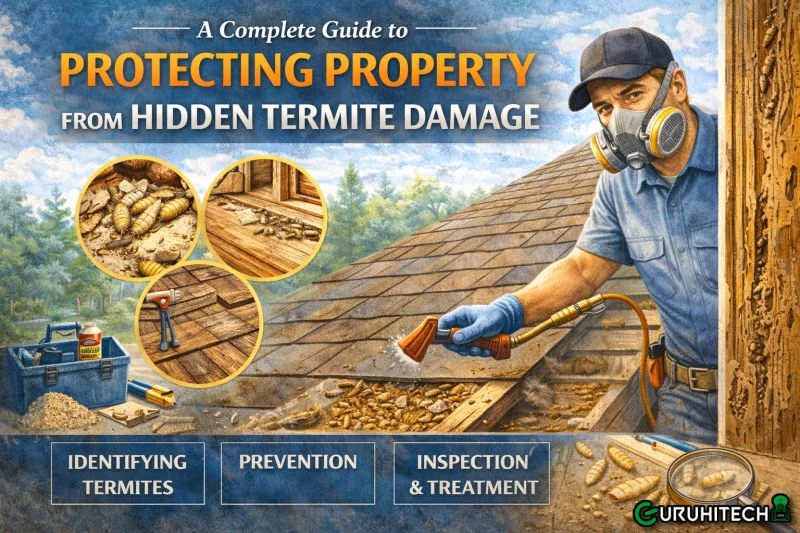
Termites are among the most destructive pests affecting buildings, often causing extensive damage long before any visible signs appear. These silent invaders feed on wood and cellulose-based materials, compromising the structural integrity of homes and commercial properties alike. Because termite activity is frequently hidden behind walls, beneath flooring, or inside foundations, early detection is essential to prevent severe and costly damage.
Understanding how termites operate, where they thrive, and how professional evaluation protects a property is critical for long-term preservation. This guide explores the importance of early detection, warning signs, inspection methods, prevention strategies, and why professional assessments play a crucial role in safeguarding structures from termite-related deterioration.
Safeguarding a property from wood-boring insects requires constant vigilance and a solid understanding of common structural risks. While many focus exclusively on termites, it is important to remember that a holistic approach to home maintenance covers a wide variety of potential indoor issues. For instance, incorporating reliable bed bug control Pittsburgh into a broader home protection plan helps maintain overall peace of mind for residents. By staying informed about the different types of biological threats that can affect a household, property owners are better equipped to implement effective preventative strategies. This proactive mindset not only prevents immediate damage but also preserves the long-term value and comfort of the home.
Why Termites Are a Serious Threat to Buildings
Termites consume wood from the inside out, weakening support beams, flooring systems, and framing without immediate external evidence. By the time surface damage becomes noticeable, the underlying structure may already be compromised. This hidden destruction can lead to sagging floors, cracked walls, misaligned doors, and even structural failure in extreme cases.
Unlike other pests, termites operate continuously and in large colonies. Their ability to remain undetected for long periods makes them particularly dangerous. Moisture, warmth, and accessible food sources create ideal conditions for infestation, which is why both older and newer structures are vulnerable.
How Termite Infestations Begin
Termite colonies typically begin underground or within concealed wood sources. Subterranean termites build extensive tunnel systems to access food while remaining protected from light and open air. Drywood termites, on the other hand, live directly inside wood structures, making detection even more difficult.
Infestations often start due to excessive moisture, poor drainage, wood-to-soil contact, or untreated wooden materials. Small cracks in foundations or gaps around utility lines provide easy entry points. Once termites establish a colony, they can expand rapidly, feeding continuously and spreading throughout the structure.
Early Warning Signs of Termite Activity
Recognizing early warning signs can significantly reduce repair costs and structural damage. While termites are elusive, certain indicators suggest their presence.
Discarded wings near windows or doors often indicate swarmers establishing a new colony. Mud tubes along walls or foundations suggest subterranean activity. Hollow-sounding wood, blistering paint, or buckling floors may signal internal damage. Fine, sand-like droppings can indicate drywood termite infestations.
Because many signs are subtle or hidden, professional evaluation remains the most reliable method of detection.
The Role of Professional Termite Assessments
A professional termite inspection is designed to identify both active infestations and conditions that could attract termites in the future. These evaluations involve a detailed examination of structural components, including foundations, crawl spaces, attics, wooden framing, and moisture-prone areas.
Specialized tools such as moisture meters, probing instruments, and sometimes thermal imaging are used to detect concealed damage. Professionals are trained to recognize patterns of activity that untrained individuals may overlook. This expertise allows for accurate diagnosis and timely intervention.
What Happens During a Professional Assessment
During an assessment, inspectors examine both the interior and exterior of a structure. They look for visible signs of damage, entry points, and environmental conditions conducive to termite activity. Wooden elements are tested for weakness, and moisture levels are measured in vulnerable areas.
The surrounding environment is also evaluated. Landscaping, drainage patterns, and nearby wood sources are assessed to determine risk factors. At the end of the process, property owners receive a detailed report outlining findings, risk areas, and recommended actions.
Preventative Measures to Reduce Termite Risk
Prevention is one of the most effective strategies for protecting a structure from termites. Simple measures can significantly reduce the likelihood of infestation.
Maintaining proper drainage and reducing excess moisture around foundations discourages termite activity. Eliminating wood-to-soil contact and storing firewood away from structures minimizes access to food sources. Sealing cracks and entry points further restricts potential access.
Routine evaluations, including periodic termite inspection, help ensure that preventative measures remain effective and that emerging risks are identified early.
Long-Term Damage Caused by Undetected Termites
When left untreated, termite infestations can cause extensive and expensive damage. Structural components such as beams, joists, and load-bearing walls may lose strength, leading to safety hazards and reduced property value.
Repairs often require removal and replacement of damaged materials, which can disrupt daily activities and involve significant expense. In severe cases, structural reinforcement or partial reconstruction may be necessary. Early detection dramatically reduces the scope and cost of repairs.
The Financial Impact of Termite Damage
Termite damage is rarely covered by standard insurance policies, making prevention and early detection even more important. Repair costs can escalate quickly once structural elements are affected.
Investing in professional evaluation and preventative care is far more cost-effective than addressing widespread damage. Property owners who prioritize regular assessments protect not only their investment but also the safety of occupants.
Termite Risks in Different Building Types
Both residential and commercial properties face termite risks, though the nature of the risk may vary. Homes with crawl spaces, wooden decks, or basements are particularly vulnerable. Commercial buildings with large foundations or storage areas containing wood materials may also attract termites.
Newer buildings are not immune. Even treated materials can become vulnerable over time, especially if moisture issues develop. Regular monitoring ensures continued protection regardless of building age.
The Importance of Ongoing Monitoring
Termite protection is not a one-time effort. Environmental conditions change, and new vulnerabilities can develop. Ongoing monitoring allows property owners to adapt prevention strategies as needed.
Scheduled evaluations help identify emerging risks before infestations occur. This proactive approach provides peace of mind and long-term structural security.
Health and Safety Considerations
While termites do not pose direct health risks to humans, the damage they cause can compromise building safety. Weakened structures increase the risk of accidents and reduce overall stability.
Additionally, termite damage can contribute to moisture problems, which may lead to mold growth and reduced indoor air quality. Protecting a structure from termites supports both safety and comfort.
Preparing a Property for Evaluation
Preparing for an evaluation involves ensuring access to key areas such as crawl spaces, basements, and attics. Clearing clutter near walls and foundations allows for a more thorough examination.
Addressing obvious moisture issues beforehand can also help improve assessment accuracy. Cooperation during the process ensures that inspectors can identify all potential concerns.
Why Professional Expertise Matters
Professional evaluators possess the training and experience necessary to detect subtle signs of termite activity. Their understanding of termite behavior, construction methods, and environmental factors allows for comprehensive assessment and accurate recommendations.
Relying on professional services reduces uncertainty and ensures that protective measures are based on reliable findings rather than guesswork.
Long-Term Benefits of Regular Evaluations
Regular evaluations extend the lifespan of a structure by preventing hidden deterioration. They help maintain property value, reduce repair costs, and provide confidence in structural integrity.
A proactive approach also simplifies future transactions, as documented assessments demonstrate responsible property maintenance.
Conclusion
Termites represent a serious and often hidden threat to structural integrity. Because damage can occur long before visible signs appear, early detection and prevention are essential. Professional evaluation provides the most reliable method of identifying infestations and risk factors before costly damage develops.
By prioritizing preventative measures and scheduling routine termite inspection, property owners protect their investments, enhance safety, and ensure long-term durability. Proactive care is not just a precaution it is a critical strategy for preserving the strength and value of any structure.
Scopri di più da GuruHiTech
Abbonati per ricevere gli ultimi articoli inviati alla tua e-mail.