
DPF Cleaner Additives vs Professional Cleaning: Which Is Better?
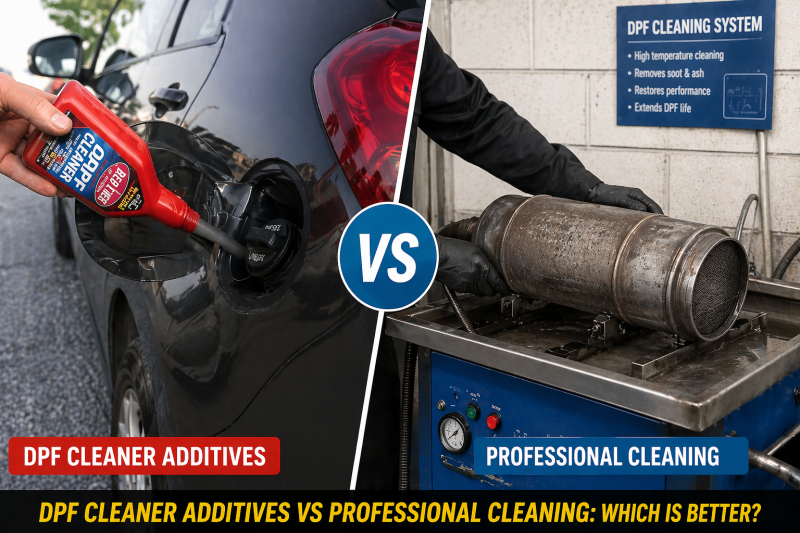
If you own a diesel vehicle, you already know how important it is to keep your Diesel Particulate Filter (DPF) in good shape. A blocked or damaged DPF can lead to poor fuel economy, loss of engine power, expensive repairs, and even failed emissions tests. The big question most diesel owners face is simple: should you use a cleaner additive, or is it worth paying for a professional cleaning service? This guide breaks it down in plain terms so you can make the right call for your vehicle.
Understanding How DPF Additives Work
DPF cleaner additives are liquid products you pour directly into your fuel tank. They work by lowering the temperature at which soot burns off during the DPF regeneration process. Essentially, they help your filter clean itself more efficiently while you drive. The best dpf cleaner additive options on the market are designed to be used regularly as a preventive measure, keeping soot and ash from building up in the first place. They are affordable, easy to use, and require no mechanical knowledge whatsoever.
How Do Additives Actually Work?
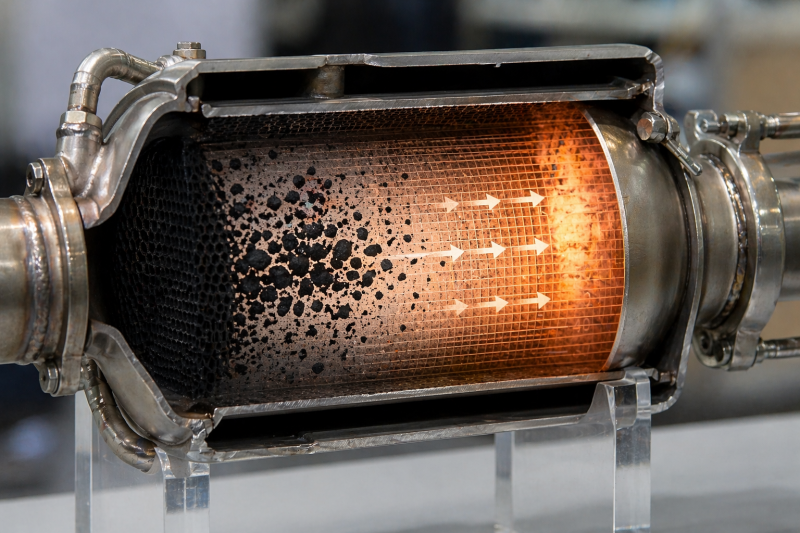
When a diesel engine runs, fine soot particles are trapped inside the DPF to prevent them from being released into the atmosphere. Over time, these particles build up and need to be burned off through a process called regeneration. The problem is that regeneration requires high exhaust temperatures, which are not always reached during short city drives. Additives help by chemically assisting this process, allowing the filter to regenerate at lower temperatures. This means your filter stays cleaner for longer without needing any manual intervention.
What Is Professional DPF Cleaning?
Professional cleaning is a more intensive process carried out by trained mechanics or specialist service centres. This type of DPF Cleaning typically involves removing the filter from the vehicle and using ultrasonic cleaning, pressure washing, or thermal methods to eliminate stubborn soot and ash deposits. It is usually recommended when the filter is heavily blocked and normal regeneration or additives are no longer effective.
This approach delivers a highly thorough result and can often restore the filter to near factory condition. However, it comes with a higher price tag, usually ranging from £150 to £400 or more depending on the service and location. When you factor in the labour cost of removing and refitting the unit, the overall expense can become quite significant.
What Is the Best Option for Your Vehicle?
The honest answer is that both have their place, and the right choice depends on the condition of your DPF and how well you have maintained it.
If your DPF is only mildly blocked or you are looking to prevent problems before they start, using the best dpf cleaner additive is a smart and cost-effective approach. Regular use can significantly extend the life of your filter and reduce the need for costly professional intervention down the line. Products from trusted names like 30 Minute DPF Clean are specifically formulated to support the regeneration process and keep your DPF working as it should.
On the other hand, if your DPF warning light has been on for a while, your vehicle is suffering from poor performance, or you have already tried additives without success, professional cleaning is likely the better route. At that point, the filter may be too blocked for an additive to handle on its own.
Why Prevention Is Always the Better Strategy
Most mechanics and diesel specialists will tell you the same thing: prevention is always cheaper than repair. Incorporating a quality additive into your regular maintenance routine is one of the simplest ways to avoid expensive DPF problems.
30 Minute DPF Clean has built a strong reputation among diesel vehicle owners for offering a practical and reliable solution. Their formula is designed to work with your engine during normal driving, helping soot burn away more efficiently without any fuss. Using a product like this every few thousand miles or at each oil change can make a real difference over the life of your vehicle.
It is also worth knowing that some professional cleaning services will actually recommend using an additive afterwards to maintain results. So in many cases, these two approaches work hand in hand rather than being either-or choices.
Think About the Long-Term Cost
When you weigh up the costs, the numbers speak clearly. A quality additive typically costs between £10 and £30. A professional clean can cost ten times that amount. If you can prevent the need for professional cleaning by spending a small amount regularly, that is clearly the better financial decision for most drivers.
That said, do not ignore serious DPF warning signs, thinking an additive will fix everything. Know when to escalate the situation and seek professional help.
Take Action Before It Is Too Late
Do not wait until your DPF warning light comes on to take action. Start using a quality additive as part of your regular vehicle maintenance and give your diesel engine the care it deserves. Visit 30 Minute DPF Clean today to find the right product for your vehicle and keep your filter running clean, efficiently, and reliably for miles to come.
Common Questions About DPF Cleaning
Q1. How often should I use a DPF cleaner additive?
Most manufacturers recommend using an additive every 3,000 to 5,000 miles or at every oil change. Always follow the product instructions for best results.
Q2. Can I use a DPF additive if my warning light is already on?
It depends on how blocked the filter is. If the blockage is mild, an additive may help. If the light has been on for a long time or performance is severely affected, professional cleaning is the safer option.
Q3. Are DPF additives safe for all diesel engines?
Most quality additives are safe for use in all diesel engines. However, always check the product label to confirm compatibility with your specific vehicle model.
Q4. Will an additive damage my DPF or engine?
No, a reputable additive will not damage your DPF or engine. It is designed to support the natural regeneration process, not interfere with it.
Q5. How long does professional DPF cleaning take?
It typically takes between two and four hours, depending on the method used and the condition of the filter.
Ti potrebbe interessare:
Segui guruhitech su:
- Google News: bit.ly/gurugooglenews
- Telegram: t.me/guruhitech
- Facebook: facebook.com/guruhitechfb
- Instagram: instagram.com/guruhitech_official/
- X (Twitter): x.com/guruhitech1
- Bluesky: bsky.app/profile/guruhitech.bsky.social
- Rumble: rumble.com/user/guruhitech
- VKontakte: vk.com/guruhitech
- MeWe: mewe.com/i/guruhitech
- Skype: live:.cid.d4cf3836b772da8a
- WhatsApp: bit.ly/whatsappguruhitech
Esprimi il tuo parere!
Ti è stato utile questo articolo? Lascia un commento nell’apposita sezione che trovi più in basso e se ti va, iscriviti alla newsletter.
Per qualsiasi domanda, informazione o assistenza nel mondo della tecnologia, puoi inviare una email all’indirizzo [email protected].
Scopri di più da GuruHiTech
Abbonati per ricevere gli ultimi articoli inviati alla tua e-mail.