
Grade Tracking Tips Every Student Should Know
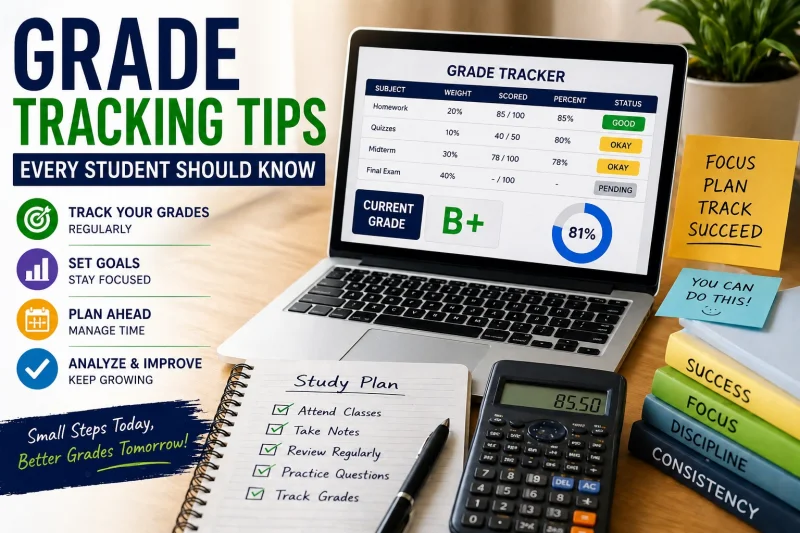
Keeping track of your grades is one of the smartest habits you can build as a student. It is not just about knowing your scores but understanding your academic progress in a structured way. Many students only check their grades at the end of a term, which often leads to stress and missed opportunities for improvement.
A more effective approach is to monitor your performance regularly using simple tools and strategies. When you understand where you stand at all times, you can take action early and stay in control of your results.
Use a Grade Calculator to Stay on Track
One of the most practical ways to manage your academic performance is by using a grade calculator. Instead of guessing your progress, this tool allows you to calculate your current standing based on completed assignments, quizzes, and exams.
For example, imagine a student who scores well in assignments but performs poorly in tests. Without tracking, they may assume they are doing fine overall. However, once they input their scores into a calculator, they might realize their average is lower than expected. This insight allows them to adjust their study strategy before it is too late.
Using a calculator regularly gives you clarity. You no longer rely on assumptions but on actual data, which leads to better academic decisions.
Why Grade Tracking Matters More Than You Think
Grade tracking is not just about recording numbers. It plays a key role in improving performance and reducing academic stress.
Most modern education systems use weighted grading. This means different assignments contribute differently to your final grade. For instance, a final exam might carry 40 percent weight, while quizzes may only account for 10 percent. If you are not aware of these differences, you might spend time on low-impact tasks while neglecting high-impact ones.
Students who track their grades consistently are more likely to identify weak areas early. Instead of reacting at the end of the semester, they stay proactive throughout. This approach leads to better results and a more balanced study routine.
Start Tracking From Day One
One common mistake students make is delaying grade tracking. They often wait until midterms or finals to evaluate their performance, which limits their ability to improve.
The best time to start is at the beginning of the semester. As soon as you receive your course outline, take note of how your grades will be calculated. Record the weight of each assignment, test, and project.
By tracking your scores from day one, you create a clear picture of your progress. Even small improvements early in the semester can have a significant impact on your final result.
Understand How Grading Systems Work
To track your grades effectively, you need to understand how grading systems function. Most institutions follow a weighted average system where each component contributes a specific percentage to the final grade.
For example, if assignments are worth 30 percent and exams are worth 50 percent, focusing only on assignments will not give you the desired outcome. Understanding this structure helps you allocate your time and effort more effectively.
This is where many students gain a competitive advantage. Instead of studying randomly, they align their efforts with what matters most.
Plan Smartly with a Final Grade Calculator
As the semester progresses, planning becomes more important than tracking alone. This is where a final grade calculator becomes extremely valuable.
It helps you estimate what scores you need in upcoming assessments to achieve your desired grade. For instance, if you aim for a high overall score, the calculator can show exactly what you need to score in your final exam.
This removes uncertainty and gives you a clear target. Instead of feeling overwhelmed, you can focus your efforts on specific goals. This level of clarity is one of the biggest advantages of using such tools.
Review Your Progress Consistently
Tracking without review is incomplete. You need to regularly analyze your performance to make meaningful improvements.
Set aside time each week to review your grades. Look at your trends and identify any patterns. Are you improving, staying consistent, or falling behind?
For example, if you notice that your quiz scores are dropping, it may indicate a need to revise your study method. Early detection allows you to fix issues before they become serious problems.
Identify Patterns and Adjust Your Strategy
One of the biggest benefits of grade tracking is the ability to recognize patterns in your performance.
Some students perform well in coursework but struggle with exams. Others may do the opposite. By identifying these patterns, you can adjust your approach accordingly.
If exams are your weak point, you might need to focus more on practice tests and revision techniques. If assignments are the issue, improving time management could help.
This kind of self-awareness is what separates average students from high achievers.
Stay Organized and Consistent
Consistency is the foundation of effective grade tracking. Recording your scores once or twice is not enough. You need to maintain this habit throughout the semester.
Keep your records organized in a way that is easy to update and review. Whether you prefer digital tools or manual tracking, the key is consistency.
Being organized also builds confidence. When you know exactly where you stand, you feel more in control of your academic journey.
Final Thoughts
Grade tracking is not complicated, but it requires discipline and awareness. It helps you stay organized, reduces uncertainty, and allows you to make informed decisions about your studies.
By using tools like a grade calculator early in the process and a final grade calculator for planning ahead, you create a clear path toward your academic goals.
In the end, success is not just about studying harder. It is about studying smarter, understanding your progress, and making adjustments at the right time. When you take control of your grades, you take control of your future.
Scopri di più da GuruHiTech
Abbonati per ricevere gli ultimi articoli inviati alla tua e-mail.