
How Can Custom Engineering Solutions Improve Electronic Product Development?
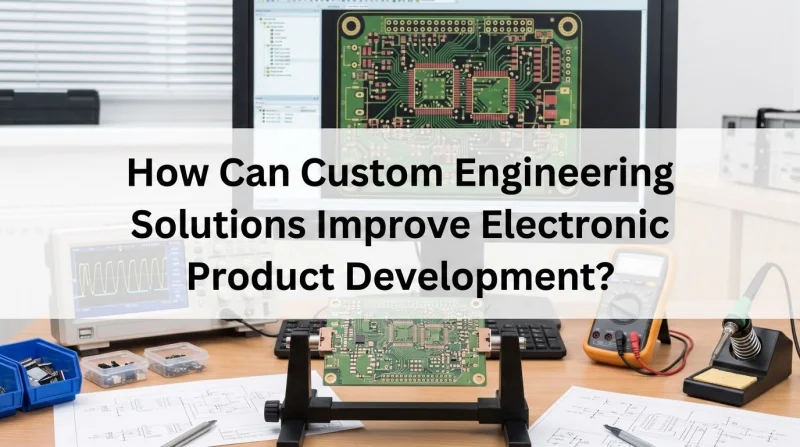
Hardware is notoriously unforgiving. You can patch a software bug remotely over the weekend. If a copper trace burns up on a board out in the field, you are looking at a costly physical recall. I’ve seen too many companies try to rush from a working prototype on a test bench straight to mass production. They lean heavily on standard modules and development kits to save time during the initial design phase.
That usually backfires when it is time to manufacture at scale.
What works in a climate controlled lab rarely survives the assembly line or the hands of a consumer. Custom engineering bridges the gap between a fragile proof of concept and a reliable product you can actually build thousands of times. It takes a functional idea and optimizes it for cost, durability, and assembly.
Off the Shelf Parts Only Get You So Far
When you are building early prototypes, development boards are highly useful. They prove the core logic works and help secure initial funding. But trying to cram three standard breakout boards into a slick consumer enclosure is an operational nightmare.
Off the shelf components are designed to be general purpose. They take up extra physical space and often draw way more power than a strict battery budget allows. You end up paying for unused communication pins, extra indicator LEDs, and bulky standard connectors that just get in the way of your final design.
Custom engineering strips away the fat. An experienced engineer looks at the core requirements and designs the hardware specifically for your target form factor and power limits. They consolidate the necessary chips onto a single layout. This reduces your unit cost at volume and drastically lowers power consumption.
There is also the issue of regulatory compliance. Getting a new device through FCC emissions testing is difficult. Stacking multiple generic modules together often creates unpredictable electromagnetic noise that will fail testing. A custom approach allows engineers to manage noise and radio frequency emissions at the board level right from day one.
Managing the Real Estate Inside the Enclosure
Space is a premium commodity in modern hardware. If you are developing a wearable device, a medical monitor, or an industrial sensor meant to fit inside an existing pipe fitting, you simply don’t have the luxury of extra room. The electronics have to adapt to the mechanical constraints.
This is where finding the right PCB assembly solution becomes incredibly valuable. Instead of forcing standard rectangular boards into awkward circular housings, custom engineering allows you to design rigid flex boards that fold safely around corners. You can dictate exactly where the heavy components sit to balance the physical center of gravity.
You also gain total control over thermal management. Heat destroys electronics over time. With a custom layout, high power components can be placed strategically next to structural mounting points so the metal enclosure itself acts as a massive heatsink. You avoid the need for noisy mechanical fans or bulky cooling blocks that add unnecessary weight to the shipping box.
Power and Signal Integrity
A device might work perfectly when everything is laid out flat on an antistatic mat. Put those exact same components into a tight plastic housing, run a high torque motor right next to a sensitive analog sensor, and suddenly you have erratic behavior.
Custom engineering anticipates interference issues before they require a total redesign. Engineers isolate noisy power supplies from delicate signal lines through strategic grounding layers and physical shielding.
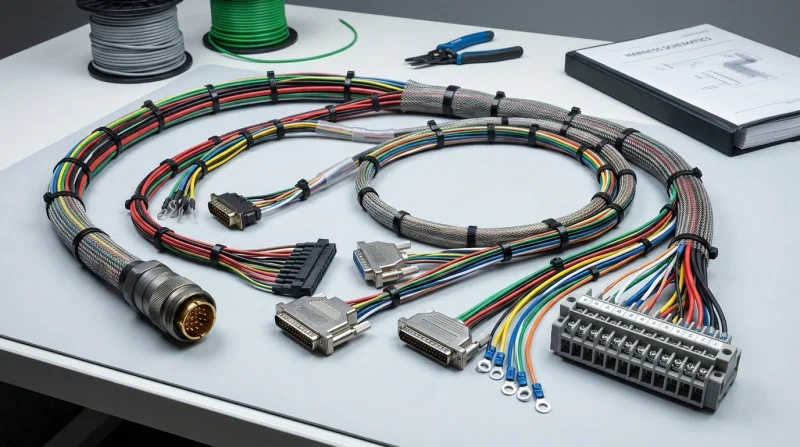
Then you have to deal with routing power and data between different boards, batteries, and external ports. Relying on loose, generic cables crammed into a box is a massive liability. It leads to pinched wires, inconsistent performance, and assembly errors on the factory floor. Developing a dedicated wiring harness solution ensures that every single cable is the exact right length. It guarantees the use of the correct wire gauge for the current load and routes safely away from heat sources. This speeds up the final assembly line dramatically because factory operators don’t have to guess which wire goes to which connector.
Component Obsolescence and Supply Chain Survival
The electronics supply chain is always volatile. If you design a flagship product around a single source microcontroller that suddenly goes out of stock for fifty weeks, your entire business stalls.
A major part of custom product development is designing for manufacturability and long term resilience. A good engineering team will review the initial bill of materials very early in the design process. They look for specific components that are at high risk of obsolescence. Then they replace those risky choices with parts that have multiple pin compatible alternatives from entirely different manufacturers.
Sometimes engineers will even lay out the circuit board with dual footprints. This means the factory can easily switch to an alternate memory chip or power regulator if the primary one disappears from the market. You are buying supply chain flexibility before you ever cut a purchase order. It keeps the production lines moving when competitors are stuck waiting on shipping containers. A custom firmware architecture can also be written with abstraction layers so swapping out a chip doesn’t require rewriting the entire codebase from scratch.
Testing for the Actual Operating Environment
I’ve seen a lot of products fail simply because the original design team never accounted for how the end user would actually treat the hardware. If a piece of agricultural equipment is going to sit outside in a humid environment and experience heavy diesel engine vibration, standard consumer grade electronics will fail fast. Solder joints crack under the stress. Copper traces corrode in the moisture.
Custom engineering builds reliability into the core design. It means specifying the correct conformal coating to protect against condensation, it means using chemical underfill on large ball grid array components so they survive aggressive drop tests without popping off the board.
It involves setting up thermal chambers and vibration tables to find the structural weak points early. Finding a flaw during a destructive test on a few prototypes is cheap. Finding a design flaw after you have already shipped five thousand units to paying customers is a disaster. Engineers will also design custom test fixtures specifically for the factory line. These fixtures automatically probe the final boards to verify every single unit works exactly as intended before it gets packaged.
Getting a physical product to market requires intense focus and operational discipline. Standard modules will help you pitch an initial concept to investors or internal stakeholders. Custom engineering is the heavy lifting that turns that concept into a sustainable business. It demands more time and money upfront, but it prevents the catastrophic manufacturing roadblocks that routinely sink new hardware launches.
Scopri di più da GuruHiTech
Abbonati per ricevere gli ultimi articoli inviati alla tua e-mail.