
How Preventive Pest Management Protects Homes Year-Round
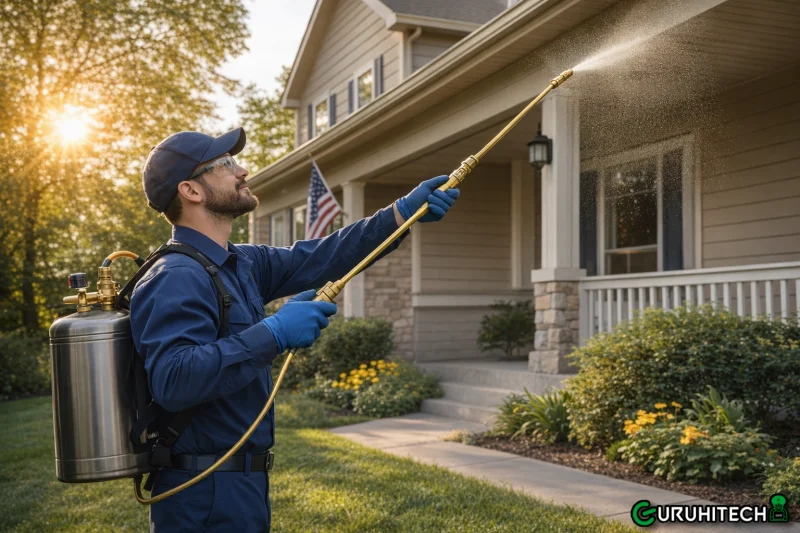
A home often feels secure until an unexpected problem appears. Pests rarely arrive all at once or without warning. Instead, they exploit small gaps, changing weather, and overlooked conditions to establish themselves quietly. By the time signs are visible, the situation may already be more complex than it seems. This is why prevention plays such an important role in long-term home protection.
Many homeowners assume pest issues are seasonal or random. In reality, insects and rodents respond to consistent patterns such as moisture, food access, and shelter. When these conditions remain unaddressed, pests return repeatedly. A proactive approach reduces the chances of recurring problems and limits disruption to daily life.
Early planning with professionals like King Pest Solutions helps homeowners shift from reaction to prevention. Instead of waiting for infestations, preventive strategies focus on reducing risk factors and maintaining a stable, protected environment.
Understanding why pests target residential spaces
Homes offer what pests need to survive. Warmth, water, and food are readily available in residential environments. Even clean homes can attract pests through small vulnerabilities such as cracks, vents, or plumbing access points.
Pests are also opportunistic. Changes in temperature, construction nearby, or seasonal shifts push them to seek shelter indoors. Once inside, they can multiply quickly if conditions remain favorable.
Understanding these behaviors helps homeowners recognize that prevention is not about eliminating nature, but about limiting access and opportunity.
The importance of early identification
Most pest problems begin with subtle signs. Small droppings, faint sounds, or occasional sightings are often dismissed as isolated incidents. Unfortunately, these early indicators usually signal a developing issue.
Identifying activity early allows for targeted action before populations grow. Addressing problems at this stage is less disruptive and more effective than waiting for visible infestations.
Routine observation and professional insight help catch issues when they are still manageable.
How environment influences pest activity
Environmental conditions strongly affect pest behavior. Excess moisture, poor drainage, and cluttered storage areas create ideal habitats. Landscaping that touches exterior walls or stores debris close to the home also increases risk.
Indoor factors matter as well. Food residue, unsecured waste, and warm utility areas attract insects and rodents alike. These conditions do not indicate poor housekeeping but rather common vulnerabilities.
Reducing environmental attractants is a core part of prevention. Small adjustments can significantly lower pest pressure.
Sealing entry points and access routes
Most pests enter through surprisingly small openings. Cracks in foundations, gaps around doors, and unsealed vents provide easy access. Over time, natural settling and weather exposure widen these openings.
Sealing entry points is one of the most effective preventive steps. When access is restricted, pests are forced to seek shelter elsewhere.
This physical barrier approach works best when combined with routine inspection to catch new vulnerabilities early.
The role of regular monitoring
Prevention does not mean a one-time solution. Homes change over time, and so do pest pressures. Regular monitoring helps ensure that protective measures remain effective.
Monitoring involves checking common entry points, moisture-prone areas, and seasonal risk zones. This ongoing attention allows adjustments before issues escalate.
Consistent monitoring supports long-term stability and reduces the need for emergency responses.
Why reactive solutions often fall short
Reactive pest treatments focus on eliminating visible problems. While necessary in some cases, they rarely address underlying causes. Without prevention, pests often return through the same pathways.
Repeated reactive efforts can become frustrating and costly. Each recurrence disrupts routines and creates uncertainty, even if the immediate issue is resolved.
A preventive mindset prioritizes lasting protection over short-term fixes.
Supporting healthier living spaces
Pests affect more than property. They influence indoor air quality, contaminate surfaces, and create stress for occupants. Preventive strategies support healthier living environments by reducing these risks.
When pest activity is minimized, homes feel more comfortable and predictable. This peace of mind contributes to overall well-being.
A protected home allows residents to focus on daily life rather than ongoing concerns.
Adapting prevention to seasonal changes
Different pests are active at different times of the year. Weather shifts influence migration patterns and nesting behavior. A strategy that works in one season may need adjustment in another.
Seasonal prevention anticipates these changes. Preparing ahead of high-risk periods reduces the likelihood of sudden issues.
This adaptability keeps protection consistent year-round.
Integrating professional insight
Professional experience adds depth to prevention. Trained specialists understand regional pest patterns and structural vulnerabilities that homeowners may overlook.
Guidance from King Pest Solutions helps tailor strategies to specific properties rather than relying on generic solutions. This customization improves effectiveness and reduces unnecessary intervention.
Professional insight complements homeowner awareness, creating a stronger overall approach.
Long-term cost efficiency
Preventive care often costs less over time than repeated treatments. Addressing root causes reduces the frequency and severity of pest issues.
Stable protection also limits property damage caused by chewing, nesting, or moisture-related activity. These savings accumulate quietly but significantly.
Investing in prevention supports both financial and practical peace of mind.
Building confidence through consistency
Consistency is key to effective prevention. When protective measures are maintained, homeowners gain confidence that their environment is under control.
This confidence reduces stress and uncertainty. Instead of reacting to surprises, homeowners rely on a system designed to prevent them.
Over time, prevention becomes part of routine home care rather than a separate concern.
The value of a proactive mindset
A proactive mindset changes how pest risks are viewed. Instead of waiting for visible problems, attention is given to conditions that invite pests in the first place.
This shift empowers homeowners. Small, informed actions have lasting impact when applied consistently.
Prevention becomes a practical habit rather than a response to crisis.
Conclusion
Protecting a home from unwanted intrusions requires more than occasional treatment. Through thoughtful prevention, homeowners reduce risk, protect property, and maintain healthier living spaces. Pest control is most effective when it focuses on early identification, environmental management, and consistent monitoring. With structured planning and professional guidance, King Pest Solutions helps homeowners build reliable protection that supports comfort, confidence, and long-term peace of mind.
Scopri di più da GuruHiTech
Abbonati per ricevere gli ultimi articoli inviati alla tua e-mail.