
How proactive pest control protects homes from hidden structural damage
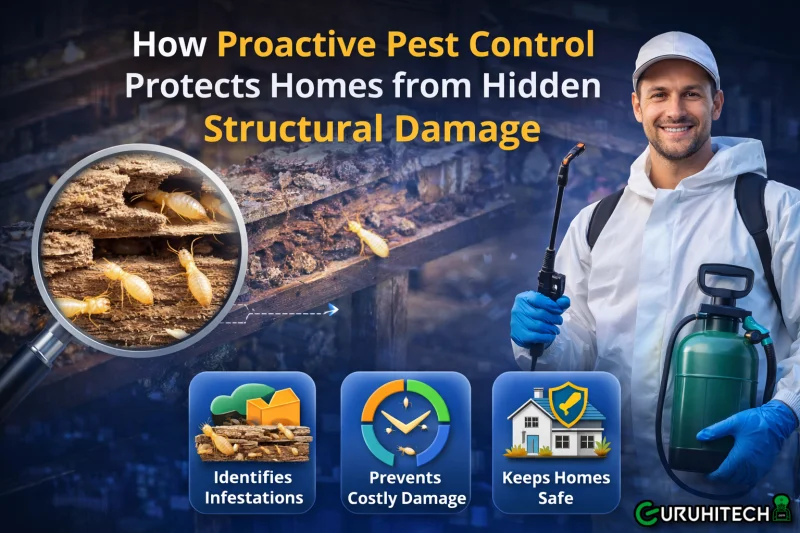
Many homeowners only think about insects or rodents when they become visible. By the time pests are noticed, however, they may have already been active for weeks or months. Quiet movement behind walls, in crawl spaces, or along rooflines allows damage to develop without obvious warning signs. This hidden activity can compromise structural materials long before it becomes easy to detect.
Structural damage caused by pests is rarely sudden. It often begins with small intrusions that grow worse over time as pests seek food, moisture, and shelter. Boone Wildlife and Pest Solutions approaches home protection with the understanding that prevention plays a key role in preserving building integrity. Addressing risks early helps reduce the likelihood of costly repairs and long-term deterioration.
Understanding how proactive pest control supports structural protection helps homeowners take a more informed approach to property care. When pests are managed before infestations take hold, homes remain stronger, safer, and better protected from damage that often goes unseen.
How pests gain access to hidden areas
Most pests enter homes through small openings that are easy to overlook. Gaps around vents, rooflines, foundations, and utility connections provide access points.
Once inside, pests gravitate toward dark, quiet areas where activity goes unnoticed. Wall cavities, attics, and crawl spaces become ideal environments. Early prevention focuses on identifying and limiting these access points.
Small openings can lead to large problems.
Why structural damage often goes unnoticed
Hidden spaces are rarely inspected regularly. This allows pests to remain active without interruption.
Wood framing, insulation, and support materials are especially vulnerable. Damage progresses slowly, making it difficult to recognize until signs appear indoors. By the time visible clues emerge, repairs are often more extensive.
Unseen activity increases long-term risk.
How moisture attracts destructive pests
Moisture plays a major role in pest activity. Leaks, condensation, and poor ventilation create ideal conditions.
Many pests are drawn to damp materials that are easier to damage. Wood becomes softer and more vulnerable when moisture is present. Managing moisture reduces the likelihood of infestation and structural weakening.
Dry environments discourage infestation.
Protecting wood framing and supports
Structural wood provides essential support for the home. When pests damage these materials, stability can be compromised.
Chewing, nesting, and tunneling weaken beams and framing over time. Early prevention helps protect these critical components before damage becomes widespread.
Structural integrity depends on prevention.
Preventing damage in attics and crawl spaces
Attics and crawl spaces are prime targets for pests due to limited human activity. These areas often provide warmth and shelter.
Insulation damage, chewed wiring, and compromised supports are common outcomes. Proactive inspection and prevention reduce risk in these vulnerable zones.
Neglected spaces need attention.
Reducing long-term repair costs
Structural repairs are among the most expensive home maintenance issues. Pest-related damage often requires specialized repair work.
Preventive strategies cost significantly less than structural restoration. Addressing risks early helps homeowners avoid unexpected financial strain.
Prevention protects long-term budgets.
Supporting foundation and substructure health
Foundations rely on surrounding materials remaining intact. Pest activity near these areas can undermine stability.
Burrowing and nesting affect soil structure and moisture retention. Managing pest presence supports foundation health and reduces movement risks.
Stable foundations require controlled environments.
Protecting insulation and energy efficiency
Insulation plays a key role in maintaining indoor comfort. When pests damage insulation, efficiency declines.
Gaps and compressed materials allow air transfer and increase energy use. Preventive care helps preserve insulation performance and comfort.
Efficiency depends on intact materials.
Avoiding secondary damage from infestations
Pest activity often leads to additional issues. Moisture buildup, mold growth, and wiring damage frequently follow.
By addressing pests early, homeowners reduce the risk of these secondary problems. Prevention supports a healthier and safer structure overall.
Early action limits cascading damage.
Supporting consistent home maintenance planning
Unexpected structural issues disrupt planning. Homeowners may be forced into urgent repairs.
Proactive strategies provide predictability. When risks are managed early, maintenance can be planned rather than reactive.
Predictability reduces homeowner stress.
Protecting resale value and inspection outcomes
Structural damage impacts property value. Inspections often reveal signs of past or active infestations.
Homes with preventive care histories are viewed more favorably. Boone Wildlife and Pest Solutions helps homeowners maintain property condition through thoughtful pest management.
Visible care supports buyer confidence.
Managing seasonal pest activity patterns
Pest behavior changes with the seasons. Weather shifts drive pests indoors seeking shelter and warmth.
Preventive planning accounts for these patterns. Addressing risks before seasonal activity peaks reduces infestation likelihood.
Seasonal awareness improves protection.
Supporting safer indoor environments
Structural damage affects safety. Weak supports, damaged wiring, and compromised materials create hazards.
Reducing pest activity helps maintain safe living conditions. Healthy structures support occupant safety and peace of mind.
Safety begins with prevention.
Encouraging proactive homeowner awareness
Many homeowners underestimate how quickly damage can occur. Education supports better decision-making.
Understanding early warning signs and risk areas empowers homeowners to act sooner. Awareness is a key component of prevention.
Knowledge supports better outcomes.
Reducing stress associated with home ownership
Unexpected damage creates anxiety. Structural concerns often feel overwhelming.
Preventive approaches reduce uncertainty. When risks are managed proactively, homeowners experience greater confidence and control.
Confidence grows with preparation.
Supporting long-term structural durability
Homes are long-term investments. Durability depends on protecting materials from avoidable damage.
Ongoing pest control strategies support the longevity of framing, insulation, and supports. Long-term care preserves structural strength.
Durability requires consistent attention.
Aligning pest prevention with overall home care
Pest management works best when integrated with moisture control, ventilation, and routine inspections.
Coordinated care strengthens overall home protection. Preventive strategies work together to reduce vulnerabilities.
Systems perform better when aligned.
Building confidence in home protection strategies
Knowing risks are addressed proactively provides reassurance. Homeowners can focus on other priorities.
Reliable pest prevention replaces uncertainty with trust in the home’s condition. Peace of mind is a key benefit of early action.
Confidence comes from preparedness.
Conclusion
Hidden structural damage caused by pests often develops quietly, becoming visible only after significant harm has occurred. By focusing on prevention, homeowners can protect framing, insulation, and foundational materials before damage escalates. Proactive pest control reduces long-term repair costs, supports structural durability, and preserves property value. With guidance from Boone Wildlife and Pest Solutions, homeowners can take a preventive approach that keeps their homes strong, stable, and protected from unseen threats.
Scopri di più da GuruHiTech
Abbonati per ricevere gli ultimi articoli inviati alla tua e-mail.