
How Spyware, Malware or Virus Attacks Impact Business Security and Data Safety
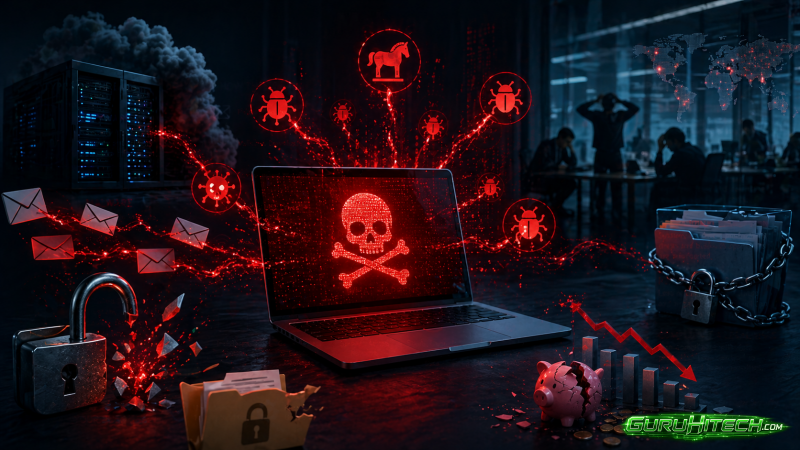
Modern businesses rely on connected devices, cloud platforms, email systems, and shared files to manage operations each day. As digital dependence increases, malicious attacks such as spyware, malware, and viruses create serious risks for productivity, privacy, and network stability.
When harmful software enters a business environment, it can steal information, damage systems, and interrupt normal workflows without warning. Strong protection strategies help companies improve data safety, reduce losses, and respond quickly to emerging threats.
Why Businesses Must Take Cyber Threats Seriously
Companies of every size can become targets when systems are outdated, passwords are weak, or employees click unsafe links. Professional support from Network Tactics helps organizations strengthen defenses, monitor risks, and secure business networks before problems grow.
- Protects sensitive business records from theft, leaks, and misuse risks daily
- Reduces downtime after attacks that interrupt systems and staff productivity
- Improves employee security awareness through training and safer habits
- Helps secure remote devices used by teams in hybrid work settings
- Prevents unauthorized access attempts through stronger login controls
- Supports backup and recovery planning for faster system restoration
- Builds customer confidence and trust through stronger data protection
Common Ways Spyware, Malware, and Viruses Harm Businesses
Spyware, malware, and viruses affect operations in different ways, but all can create costly problems for businesses. Understanding their impact helps leaders prepare better defenses and stronger recovery plans.
1. Data Theft and Privacy Loss
Spyware can secretly monitor activity and capture passwords, financial records, or confidential customer details without immediate detection inside connected company systems and shared devices daily.
Stolen information creates privacy exposure that can damage trust, trigger legal concerns, increase response costs, and cause serious financial losses for the affected business over time.
2. Slower Systems and Poor Performance
Malware often consumes memory, bandwidth, and processing power, causing devices and applications to run slowly during normal daily operations across busy departments and teams.
Reduced performance lowers employee output and creates workflow delays that frustrate staff, slow customer service, and impact deadlines across important business functions.
3. File Corruption and Loss
Viruses may damage documents, spreadsheets, databases, and software files that businesses rely on for sales, communication, reporting, planning, and customer service tasks daily.
Corrupted records create operational setbacks because teams may lose access to important information needed for daily work, decisions, billing, and project completion.
4. Unauthorized Network Access
Some threats create backdoors that allow attackers to enter systems remotely and move through business networks without approval while avoiding notice for extended periods.
Unauthorized access increases security exposure because criminals can monitor activity, copy files, disable protections, and misuse systems without permission.
5. Financial Fraud Risks
Attackers may use stolen credentials to access banking tools, payment platforms, or vendor accounts connected to company systems and approved financial processes.
These incidents can result in financial losses through fraudulent transfers, fake invoices, charge disputes, and unauthorized purchases that hurt cash flow.
6. Customer Trust Damage
Clients expect businesses to keep personal details and transactions secure whenever they share information online, by email, or through payment systems.
A visible breach harms brand reputation and may cause customers to move to more trusted competitors while reducing referrals and repeat business.
7. Costly Downtime and Recovery
Removing infections, restoring systems, and investigating incidents often takes time that interrupts normal operations, service delivery, and internal communication.
Unexpected downtime creates revenue pressure because staff cannot work efficiently while systems are unavailable and customers face frustrating delays.
Additional Business Risks and Long Term Effects
Cyber incidents often create problems that continue long after the first infection is removed. Businesses must consider the wider impact on growth, planning, and customer relationships.
1. Compliance and Legal Issues
Many industries must follow privacy rules that require secure handling of customer and company information at all times across systems, devices, records, and communication channels used in daily operations.
A breach may trigger regulatory concerns that lead to investigations, penalties, mandatory reporting requirements, legal expenses, and added pressure on internal management teams afterward.
2. Reduced Employee Confidence
Frequent security issues can make staff feel uncertain about using business systems or handling customer information safely during routine tasks, communication, approvals, and remote work responsibilities.
That hesitation lowers team confidence and may slow communication, approvals, collaboration, and routine processes that support productivity and smooth customer service delivery daily.
3. Repeated Attack Vulnerability
If root causes are not fixed, attackers may exploit the same weaknesses again through emails, devices, outdated software, poor passwords, or network gaps left unresolved after incidents.
Ongoing weaknesses create repeat risks that increase future costs, business disruption, recovery delays, and management stress when threats return unexpectedly.
4. Higher Technology Costs
Businesses often need emergency support, hardware replacement, software cleanup, consulting help, and upgraded security after serious incidents occur and disrupt normal operations.
These responses create unexpected expenses that could have been reduced through prevention planning, regular maintenance, and stronger protection strategies earlier.
5. Remote Work Security Problems
Unprotected home devices and shared networks can spread infections into company systems when employees work remotely and connect through laptops, phones, or personal internet services.
Stronger controls are needed to protect remote access across laptops, phones, cloud accounts, and collaboration tools used by distributed teams each day.
6. Loss of Competitive Advantage
When systems fail or data leaks occur, projects may stall and confidential strategies may become exposed to outsiders, competitors, or unauthorized third parties unexpectedly.
This can weaken market position and slow future business growth opportunities, partnerships, and customer confidence in the company brand.
7. Customer Retention Challenges
People often remember security incidents and may hesitate to continue working with affected companies afterward when trust has been damaged through poor protection or delayed communication.
Restoring trust requires time, communication, and stronger service credibility in the market before customers feel confident returning again.
How Professional Cybersecurity Support Helps
Businesses recover faster and prevent future incidents when they use professional security services designed for modern threats. Expert support can identify weaknesses and strengthen every layer of protection.
1. Threat Detection and Monitoring
Continuous monitoring helps detect unusual activity before damage spreads widely across business devices, user accounts, cloud tools, and connected network systems.
Early alerts improve response speed and reduce the impact of hidden threats, downtime, data loss, and costly recovery efforts after incidents.
2. Safe Virus and Malware Removal
Professional cleanup removes harmful software fully instead of leaving hidden files or dangerous processes behind.
Businesses benefit from expert spyware and malware removal services that restore system health and improve protection.
3. Stronger Access Controls
Security teams improve passwords, permissions, and authentication to stop unauthorized users from entering business systems, shared files, cloud tools, and sensitive internal resources daily.
These controls reduce account risks and protect sensitive data from misuse, theft, accidental exposure, and unauthorized changes that harm operations.
4. Backup and Recovery Planning
Reliable backups allow companies to restore files quickly when systems fail, hardware breaks, or data becomes encrypted during ransomware and other serious incidents.
Prepared recovery steps support business continuity with less downtime, lower stress, faster restoration, and improved confidence during emergencies.
5. Employee Security Training
Training teaches staff how to spot phishing emails, suspicious downloads, fake login pages, and unsafe browsing habits during normal daily work activities online.
Educated teams create human defense that helps stop many common attacks before threats spread into devices, accounts, or shared business systems.
6. Software Updates and Patch Management
Outdated software often contains weaknesses that attackers actively search for and exploit quickly across computers, servers, mobile devices, and connected tools.
Regular updates close known vulnerabilities and improve overall system security, stability, performance, and long term reliability for business operations.
7. Long Term Security Strategy
Cybersecurity should support growth, efficiency, and trust, not only emergency response after incidents happen unexpectedly and disrupt important operations.
A proactive plan builds future resilience for changing business needs, evolving threats, expansion goals, and stronger long term protection.
Warning Signs of Infection Businesses Should Not Ignore
Early detection can reduce damage significantly and prevent threats from spreading across connected systems. Businesses should investigate unusual behavior quickly to avoid downtime, stolen data, or damaged files. Responding early often lowers recovery costs and limits wider operational disruption.
- Slow computers, freezing systems, or applications crashing without warning signs
- Unexpected pop ups, fake alerts, or repeated ads appearing on screens daily
- Unknown software installations or programs launching without user approval
- Passwords suddenly not working or accounts getting locked unexpectedly
- Missing, renamed, corrupted, or altered files in shared business folders
- High network traffic activity with no clear business reason or source found
- Strange emails sent from staff accounts without employee knowledge or action
Threat Impact Comparison Table
| Threat Type | Common Effect | Business Impact |
| Spyware | Tracks activity and steals data | Privacy loss |
| Malware | Damages systems or steals files | Operational disruption |
| Virus | Spreads across devices | File corruption |
| Ransomware | Locks systems and files | Severe downtime |
| Phishing Payload | Installs harmful software | Credential theft |
| Trojan | Creates hidden access paths | Network compromise |
Conclusion
Spyware, malware, and virus attacks can create serious damage through stolen data, slow systems, downtime, and lost customer trust. Businesses that depend on digital tools need strong protection to reduce risks before small issues become major disruptions. Professional cybersecurity support helps detect threats early, remove infections safely, and strengthen network defenses for the future. By investing in prevention, recovery planning, and smarter security practices, companies can protect their people, data, and reputation.
Scopri di più da GuruHiTech
Abbonati per ricevere gli ultimi articoli inviati alla tua e-mail.