
How to Detect Early Signs Your Heating System Needs Professional Repair Before a Cold Snap Hits
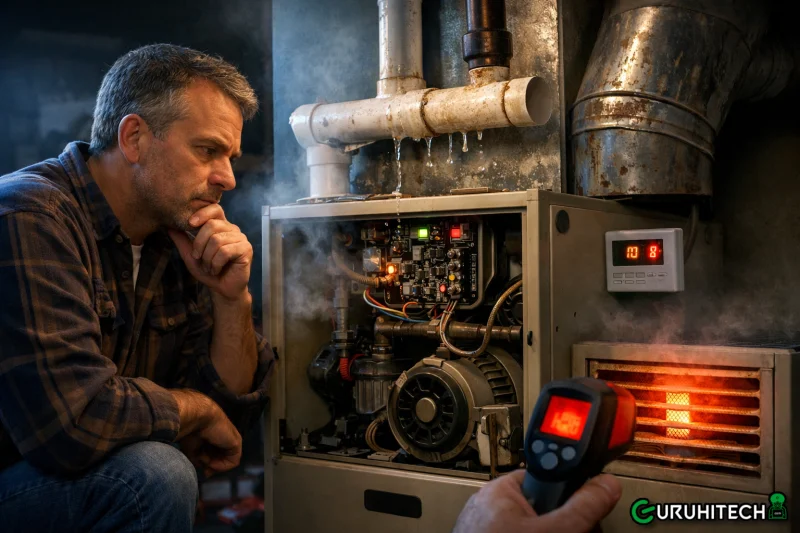
A properly functioning heating system is essential for maintaining a comfortable and safe home, especially when temperatures begin to drop. Whether your home relies on a furnace, boiler, heat pump, or radiant heating system, consistent performance ensures warmth and peace of mind during colder months. However, like any mechanical system, heating units naturally experience wear and tear over time.
Understanding how your heating system works, recognizing early warning signs, and knowing when to seek heating system repair can save you from costly repairs and unexpected breakdowns. This guide covers everything you need to know to keep your system running efficiently and avoid problems before a cold snap hits.
Understanding How Heating Systems Work
Heating systems operate by generating heat and distributing it throughout your home using air, water, or electricity. Each system type works differently but shares the same purpose: to provide consistent and efficient warmth.
Forced-air systems use a furnace to heat air, which is then pushed through ducts by a blower. Boilers heat water and circulate it through pipes connected to radiators or underfloor systems. Heat pumps, on the other hand, transfer heat from one place to another, making them versatile for both heating and cooling.
Having a basic understanding of your system can help you recognize when something isn’t functioning as it should.
Early Warning Signs of Heating System Problems
Heating systems rarely fail without giving warning signs. Identifying these early can help prevent minor issues from becoming major repairs.
One of the most noticeable signs is uneven heating. If certain rooms are significantly warmer or colder than others, it may indicate blocked ducts, airflow issues, or system inefficiency.
Strange noises are another red flag. Sounds like banging, rattling, or squealing often signal loose parts, motor issues, or internal wear. These noises should never be ignored, as they can quickly lead to more serious damage.
Frequent cycling when your system turns on and off repeatedly is also a sign of trouble. This may be caused by a malfunctioning thermostat, dirty filters, or an improperly sized system.
A sudden increase in energy bills without a change in usage is another warning sign. It often means your heating system is working harder than necessary due to inefficiency or hidden issues. In such cases, timely heating system repair can prevent further damage and restore efficiency.
The Importance of Regular Maintenance
Routine maintenance is one of the most effective ways to keep your heating system in good condition. Regular care not only improves efficiency but also extends the lifespan of your equipment.
Changing or cleaning air filters is a simple but crucial step. Dirty filters restrict airflow, forcing the system to work harder and consume more energy. This can lead to overheating and premature wear.
Duct cleaning is equally important. Dust, debris, and blockages can reduce airflow and impact both performance and indoor air quality.
Scheduling an annual professional inspection is highly recommended. A technician can identify worn components, check safety systems, and ensure everything is functioning properly. Preventative maintenance reduces the likelihood of emergency repairs and unexpected failures.
Diagnosing Issues Early
Basic troubleshooting can help you identify minor issues before they escalate. Start with the thermostat—make sure it’s set correctly and functioning properly. Sometimes, the problem is as simple as replacing batteries or adjusting settings.
Check your electrical system as well. Tripped breakers or blown fuses can prevent your heating system from operating.
Inspect vents and registers to ensure they’re not blocked by furniture or dust buildup. Restricted airflow can lead to uneven heating and system strain.
While these steps can resolve simple problems, more complex issues should always be handled by a professional to avoid further damage or safety risks.
Repair vs. Replacement: Making the Right Choice
Deciding whether to repair or replace your heating system can be challenging. Several factors should be considered, including the system’s age, repair frequency, and overall efficiency.
If your system is relatively new and the issue is minor, repairs are usually the best option. However, if your system is over 10–15 years old and requires frequent repairs, replacement may be more cost-effective in the long run.
Older systems tend to be less energy-efficient, leading to higher utility bills. Investing in a modern system can reduce energy consumption and provide better performance.
Consulting a professional technician for heating system repair or replacement advice can help you evaluate your options and make an informed decision.
Improving Energy Efficiency
Energy efficiency plays a crucial role in both comfort and cost savings. A well-maintained heating system consumes less energy and delivers better performance.
Sealing leaks in ducts and ensuring proper insulation can significantly reduce heat loss. Even small gaps can cause your system to work harder than necessary.
Installing a programmable or smart thermostat allows for better temperature control, helping you optimize energy use throughout the day.
Regular servicing ensures all components are clean and functioning efficiently, which directly impacts your system’s performance and energy consumption.
Safety Considerations
Heating systems, especially those that use gas or combustion, can pose safety risks if not properly maintained. Carbon monoxide leaks are a serious concern, as they are odorless and potentially life-threatening.
Installing carbon monoxide detectors is essential for early detection. Regular inspections of vents, heat exchangers, and flues can help prevent dangerous situations.
Electrical components should also be checked regularly. Faulty wiring or overloaded circuits can increase the risk of fire hazards.
Prioritizing safety ensures not only the efficiency of your system but also the well-being of everyone in your home.
The Value of Professional Technicians
While homeowners can handle basic maintenance, many aspects of heating system care require professional expertise. Technicians have the tools and knowledge needed to diagnose and fix complex issues accurately.
They can identify hidden problems, replace worn components, and ensure your system operates according to industry standards. Professional heating system repair services also help prevent recurring issues, saving you time and money in the long run.
Hiring a qualified technician provides peace of mind and ensures your system is in reliable working condition.
Preparing for the Cold Season
Seasonal preparation is key to avoiding heating system failures during the coldest months. Taking proactive steps before winter arrives can make a significant difference.
Schedule a professional inspection early to address any potential issues. Replace filters, clean vents, and test your system to ensure it’s functioning properly.
Checking your thermostat and ensuring proper airflow throughout your home can also help prevent unexpected problems.
Preparation reduces the risk of breakdowns and ensures your home remains warm and comfortable when temperatures drop.
Final Thoughts
Your heating system plays a vital role in maintaining comfort and safety during colder months. By understanding how it works, recognizing early warning signs, and prioritizing regular maintenance, you can prevent costly breakdowns and ensure reliable performance.
Taking a proactive approach whether through simple upkeep or timely heating system repair helps extend the lifespan of your system and improves energy efficiency. When issues arise, addressing them promptly ensures they don’t turn into major problems.
With proper care and attention, you can enjoy a warm, comfortable home while minimizing expenses and avoiding unexpected disruptions when you need heat the most.
Scopri di più da GuruHiTech
Abbonati per ricevere gli ultimi articoli inviati alla tua e-mail.