
How to Identify Hidden Electrical Risks Using Thermal Imaging
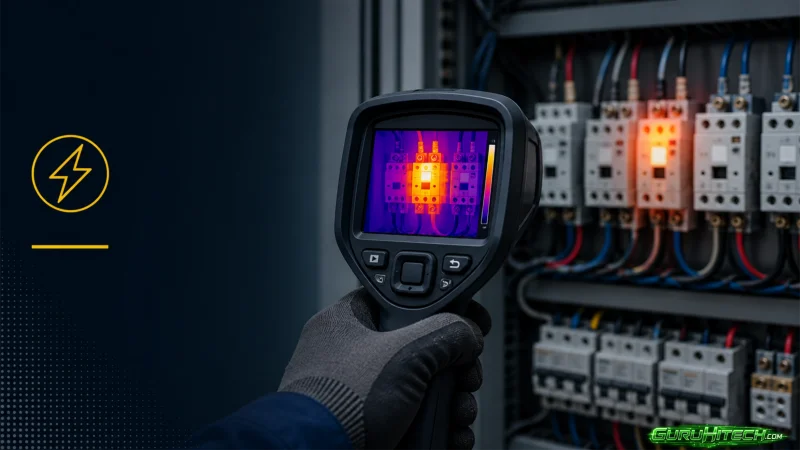
Think about the wires inside the walls of your house for a second. We use them everyday to fuel our lives, yet rarely ever look at them. Most people don’t think about their electrical system until a fuse blows or a light flickers. The worrisome thing is that a lot of electrical fires start off quiet, long before you see smoke or smell burning plastic. These dangers are hidden heat building up behind your drywall. Imagine if you could see that heat. You could avert a calamity before it happens.
Why Do Electrical Systems Overheat?
Electricity is energy in motion. When all is working properly, this energy flows easily via wires with little heat being generated. But when the flow meets resistance, it creates heat, just as when you press your palms together you feel friction. Normally this resistance in a home is generated by the following:
- Loose Connections: Wires can become loose over time, leaving gaps that spark and become hot.
- Overloaded Outlets: Having too many high-powered devices on one outlet puts a demand on the wiring to work harder than it should.
- Corroded Parts: Electrical parts can rust due to moisture and age, making it more difficult for electricity to flow.
The Power of Thermal Imaging
We can’t see through solid walls or plastic covers, so we need a technique to transfer temperature into something our eyes can grasp. That’s where a thermal imaging camera may really make a difference in home safety. These gadgets do not take regular pictures with light but rather record infrared radiation, or the energy given out by anything that has a temperature.
The world seems different on the camera’s screen. Cool parts are dark blue, purple, or black. Safe, operational parts could be green or orange. But dangerous hot areas are light bright yellow or white. This visual map will help you to see a failed breaker or melting wire from a few feet away without ever touching a live wire or opening a wall.
Step-by-Step: How to Scan Your Home
You don’t have to be a pro to complete a quick safety check. Here’s how to do it in a few simple steps:
- Under Load: Turn on your lights, AC, and major appliances so electricity is actually flowing.
- The Panel Check: Turn on the breaker box and observe the switches. Look for any single breaker that seems a lot hotter than its neighbors.
- Wall Outlets: Point the camera to outlets where you plug in heaters or refrigerators.
- Ceiling Fixtures: Watch for recessed lights, which can occasionally trap heat against the wooden frame of your roof.
Identifying “Ghost Heat” in Dead Circuits
One piece of advice from the pros that many people neglect is monitoring circuits that are switched off. Sometimes a wire has an internal problem that leaks power even while the switch is in the “off” position. That’s called a phantom load. A thermal camera can help you detect these hidden heat patterns before they turn into serious electrical faults.
Why This Technology Saves Money
While safety is the main priority, the financial benefit of thermal imaging is massive. Electrical problems follow a “slope” of failure. It starts as a small heat increase, then becomes a melting wire, and finally results in a fire or a total system failure.
A small repair, like tightening a terminal screw in your panel, costs almost nothing if you do it yourself or very little for an electrician’s visit. But if that loose screw is left alone, it can melt the entire bus bar of your electrical panel. Replacing a whole panel can cost thousands of dollars. By staying proactive and checking your system regularly with a thermal imaging camera, you are performing maintenance that keeps your home efficient and prevents expensive emergency repairs.
Environmental and External Risk Factors
Sometimes the wire is alright, but there is a hazard in the environment around the wire. A thermal scan can help you find these “external” heat traps that a typical check would miss:
- Clogged Vents: If your electrical inverter or server equipment is in an area without airflow, it will automatically overheat even if cabling is excellent.
- Pest Damage: Rats and squirrels often nibble on wire insulation. Now, when you switch on a light or appliance, it develops thin areas in the copper that heat up dangerously.
- Tightly Packed Insulation: In some older homes, the thermal insulation is packed excessively tightly around electrical junction boxes. This keeps the heat inside the box, slowly “cooking” the wire connections over time.
Frequently Asked Questions
1. Can a thermal camera see through my walls?
No, it does not “see through” things like X-ray vision. It does detect the heat that a hot wire transfers to the surface of the drywall. If a wire is hot enough to be a problem, you will see it on the surface of the wall.
2. Is every warm spot a danger?
Not quite. Some devices, such as transformers or computers, heat up on their own. You’re looking for “outliers”, or objects that are significantly hotter than their surroundings.
3. How often should I do a scan ?
A complete scan once or twice a year is ideal for a typical home. After moving into a new home or after completing any significant electrical repairs, a check is particularly important.
4. Are these cameras hard to operate?
More recent versions are highly user-friendly. If you can use a smartphone camera, then you can use a thermal camera. They usually automatically highlight the hottest point on the screen.
Final Words
When you are taking care of your home, you are looking deeper than what is on the surface. Electrical fires are terrible because they happen in the dark, behind the very walls that safeguard us. When you run a thermal imaging camera, you take the guesswork out, and you can see where the difficulty is. It is a simple modern step that provides you and your family with huge peace of mind. To ensure a safe and secure tomorrow, the greatest method is to be proactive today.
Scopri di più da GuruHiTech
Abbonati per ricevere gli ultimi articoli inviati alla tua e-mail.