
Image to Image AI Explained: Smarter Photo Transformation for Everyone
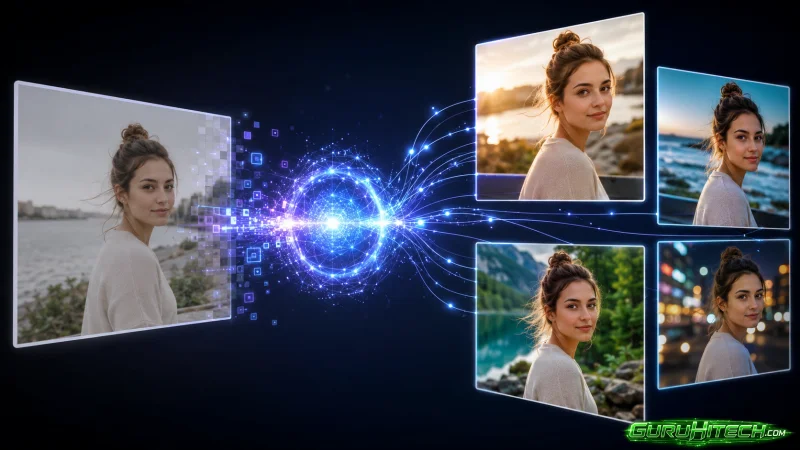
Artificial intelligence has transformed the way people create and edit digital content. From generating artwork with text prompts to enhancing blurry photos, AI-powered tools have become part of everyday creative workflows. Among these innovations, Image to Image AI stands out as one of the most practical technologies, allowing users to transform existing images into entirely new styles while preserving their original composition.
Whether you’re a designer looking for creative inspiration, a marketer producing visual content, or someone who simply wants to reimagine personal photos, Image-to-Image AI makes advanced image editing faster and more accessible than ever before.
What Is Image to Image AI?
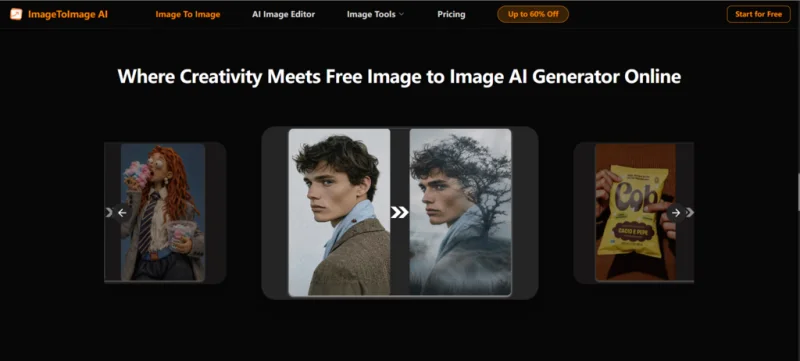
Unlike traditional AI image generators that create visuals from text alone, Image-to-Image AI starts with an existing image. Instead of generating from scratch, the AI analyzes the uploaded picture and recreates it based on your desired style, prompt, or artistic direction.
This approach maintains the core layout, subject, and composition while introducing new visual elements, colors, textures, or artistic effects.
For example, users can:
- Convert realistic portraits into anime characters
- Turn product photos into professional advertising visuals
- Transform sketches into polished illustrations
- Restyle landscapes into watercolor or oil paintings
- Improve low-quality images with enhanced details
The technology significantly reduces the amount of manual editing required compared to conventional photo editing software.
How Does Image-to-Image AI Work?
Image Understanding
The AI first analyzes the uploaded image, identifying subjects, objects, backgrounds, lighting, colors, and composition.
Prompt Guidance
Users then provide a prompt describing how they want the image to change. This prompt can specify:
- Artistic style
- Color palette
- Lighting
- Mood
- Character appearance
- Background modifications
Intelligent Reconstruction
Rather than simply applying filters, the AI regenerates the image while preserving important visual structures. Modern diffusion models achieve remarkably natural transformations with impressive consistency.
Why More Creators Are Using Image-to-Image AI
Faster Creative Workflow
Traditional editing often requires hours of masking, painting, compositing, and retouching. AI dramatically shortens this process, allowing creators to produce multiple concepts in minutes.
Easy for Beginners
Professional editing software usually has a steep learning curve. Image-to-Image AI removes many technical barriers, enabling anyone to create professional-looking visuals without extensive experience.
Endless Creative Possibilities
A single image can become dozens of different versions, making experimentation easy. Designers can rapidly explore ideas before committing to a final concept.
Cost-Effective Content Production
Businesses can generate high-quality marketing visuals without organizing expensive photoshoots or hiring large creative teams for every campaign.
Popular Use Cases
Portrait Style Transformation
People enjoy converting selfies into anime, cartoons, fantasy characters, cinematic portraits, or digital paintings for social media and personal projects.
Product Photography
E-commerce sellers use AI to create lifestyle scenes, premium backgrounds, and promotional images from ordinary product photos.
Marketing Materials
Marketing teams generate eye-catching visuals for advertisements, blog posts, newsletters, and social media campaigns while maintaining consistent branding.
Concept Art
Game developers, illustrators, and creative agencies quickly visualize ideas by transforming sketches into polished artwork.
Educational Content
Teachers and students can produce engaging illustrations and visual learning materials without advanced design skills.
Choosing the Right Image-to-Image AI Tool
Not every AI image editor delivers the same quality. When selecting a platform, it’s helpful to look for features such as:
- High-quality image generation
- Fast processing speed
- Multiple artistic styles
- Natural detail preservation
- User-friendly interface
- No complicated installation
- Support for commercial projects
- Regular model improvements
One platform that combines these capabilities is Image to Image AI. It enables users to transform existing images into new creative styles through an intuitive web interface, making advanced AI image editing accessible to beginners and professionals alike.
Tips for Better Results
Use High-Resolution Images
Starting with a clear image gives the AI more information to preserve important details.
Write Specific Prompts
Instead of writing “make it better,” describe the exact result you want, such as:
- watercolor illustration
- cinematic lighting
- futuristic cyberpunk city
- Pixar-style animation
- realistic oil painting
Detailed prompts usually produce more accurate outputs.
Experiment with Different Styles
Don’t settle for the first result. Try several prompts and artistic directions to discover unexpected creative possibilities.
Keep the Composition Simple
Images with clear subjects and uncluttered backgrounds often generate cleaner transformations.
The Future of AI Image Transformation
Image-to-Image AI continues to evolve rapidly. New AI models deliver better consistency, sharper details, more accurate prompt understanding, and increasingly realistic outputs.
Future improvements are expected to include:
- Better facial consistency
- Faster generation speeds
- Higher image resolutions
- More controllable editing
- Improved object preservation
- Expanded artistic styles
- Better commercial design workflows
As these technologies mature, AI-powered image transformation will become an essential creative tool across photography, design, education, entertainment, and digital marketing.
Final Thoughts
Image-to-Image AI has changed the way people approach digital creativity. Instead of spending hours manually editing photos, users can quickly transform existing images into entirely new artistic styles with just a few prompts.
Whether you’re creating content for social media, improving product photography, designing marketing materials, or exploring artistic ideas, Image-to-Image AI offers an efficient and accessible solution that combines creativity with the power of modern artificial intelligence.
For anyone looking to experience this technology firsthand, today’s AI image transformation platforms make it easier than ever to produce professional-quality visuals in just a few clicks.
Scopri di più da GuruHiTech
Abbonati per ricevere gli ultimi articoli inviati alla tua e-mail.