
Office Moving Checklist: How to Relocate Your Workplace Without Disrupting Daily Operations
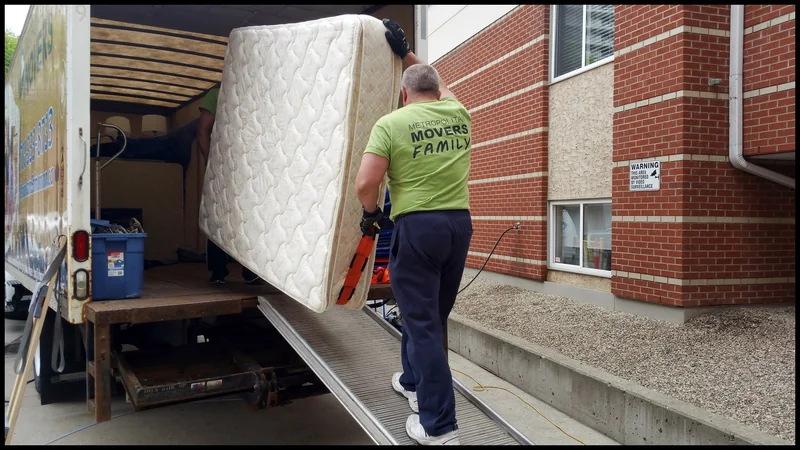
Relocating an office is an important undertaking for any organization. Whether a company is expanding into a larger workspace, moving closer to its customers, or reorganizing its operations, transferring an entire workplace requires careful coordination.
Unlike residential moving, an office relocation involves more than transporting furniture and personal belongings. Computers, workstations, shared equipment, meeting rooms, confidential documents, and communication systems must all be prepared for the transition.
Employees also need clear instructions about what to pack, when to prepare their workspaces, and how operations will resume at the new location.
Without an organized approach, office moving can lead to misplaced equipment, disrupted workflows, and confusion about responsibilities.
A structured relocation checklist helps businesses prepare each stage of the move while keeping essential workplace activities as organized as possible.
1. Establish an Office Relocation Plan
The first step in an organized office move is creating a relocation plan that outlines the major tasks, responsible individuals, and important dates.
The complexity of the plan depends on the size of the organization, the number of employees, and the equipment being transported.
A small professional office may require relatively simple coordination, while a larger workplace with multiple departments may need a detailed relocation schedule.
Start by identifying the primary objectives of the move.
For example, the company may need additional meeting rooms, improved accessibility, a different office layout, or a location that better accommodates employees.
Once these priorities are established, create a written checklist covering the entire relocation process.
Important planning activities include:
- Confirming the moving date and access arrangements.
- Reviewing the layout of the new office.
- Creating an inventory of furniture and equipment.
- Assigning relocation responsibilities.
- Preparing employee communication.
- Identifying equipment that requires special handling.
- Coordinating packing and transportation.
- Planning workstation setup at the destination.
The checklist should remain accessible to everyone responsible for coordinating the move.
2. Assign an Internal Office Moving Coordinator
An office relocation becomes easier to manage when one person or a small team oversees the process.
The relocation coordinator serves as the primary contact for employees, building management, technical support personnel, and the moving provider.
For larger businesses, representatives from different departments can assist with the planning process.
Each department may have specific requirements that need to be addressed before moving day.
For example, an administrative team may need access to document storage, while a design department may rely on large monitors and specialized workstations.
Establishing clear responsibilities helps prevent confusion.
The coordinator should maintain an updated checklist, monitor important deadlines, and communicate changes to the relocation schedule.
Employees should know whom to contact if they have questions about packing, furniture, equipment, or access to the new workplace.
3. Create a Complete Office Furniture and Equipment Inventory
Before packing begins, businesses should document the furniture and equipment that will be transferred.
A detailed inventory makes it easier to organize loading, track belongings, and determine where items should be placed at the destination.
Office inventories may include:
- Desks and workstations
- Ergonomic chairs
- Conference tables
- Filing cabinets
- Storage shelves
- Desktop computers
- Monitors and accessories
- Printers and scanners
- Reception furniture
- Breakroom equipment
- Whiteboards and presentation equipment
- Office supplies and storage containers
Assign identification labels to larger items and equipment where appropriate.
For example, a workstation could be identified by department, employee, or destination room.
An inventory can also help identify unused furniture that does not need to be transferred.
Reducing unnecessary equipment makes it easier to organize the new workplace and avoid overcrowding.
4. Design the Layout of the New Workplace
Office layout planning should begin before the first moving box is packed.
A floor plan helps employees and moving crews understand where furniture and equipment should be placed.
Measure important spaces, including offices, conference rooms, reception areas, and shared workstations.
Check the dimensions of large furniture against doorways, hallways, elevators, and staircases.
Consider how employees will move through the new workspace and where shared equipment should be located.
Workstation Organization
Assign desks and seating areas before the move.
Clearly identify the destination of each workstation so that furniture and equipment can be delivered to the correct location.
Meeting Rooms
Determine where conference tables, chairs, screens, and presentation equipment will be installed.
Verify that the furniture fits comfortably within the available space.
Reception Areas
Plan the placement of reception desks, seating, and visitor-facing equipment.
A functional reception area can help the workplace resume normal visitor activities after relocation.
Shared Spaces
Breakrooms, storage areas, and collaborative workspaces should be included in the floor plan.
Clear destination labels reduce the need to move heavy furniture repeatedly after unloading.
5. Coordinate Professional Office Relocation Services
Businesses may require different levels of moving assistance depending on the size of the workplace and the complexity of the equipment.
Some office moves involve transporting desks, chairs, and packed boxes. Others require workstation disassembly, equipment preparation, coordinated loading, and furniture placement at the destination.
When evaluating office relocation services, organizations should communicate their operational requirements and the types of items being transported.
Important questions to discuss include:
- Can the moving crew handle large office furniture?
- Is furniture disassembly and reassembly available?
- How should computers and monitors be prepared?
- Can moving activities be coordinated around building access hours?
- Is assistance available for packing office materials?
- How will equipment be identified during loading and unloading?
- What preparation is required before the crew arrives?
- Can the moving schedule accommodate departmental relocation needs?
The information provided to the moving company should include the approximate number of workstations, furniture inventory, office layout, and any access restrictions.
Organizations comparing professional movers in Canada should also confirm that the provider supports commercial relocations rather than assuming all residential moving services include office moving.
Clearly defined responsibilities help businesses coordinate the transition more effectively.
6. Prepare Computers and Technology Equipment
Technology preparation is one of the most important parts of an office relocation.
Computers, monitors, networking equipment, printers, and communication devices often support essential workplace activities.
Before moving day, the company’s technical team should develop a plan for disconnecting, transporting, and reconnecting equipment.
Organize Computer Workstations
Assign identification labels to computers, monitors, keyboards, and related accessories.
Where appropriate, photograph cable connections before equipment is disconnected.
Keep related components together to simplify setup.
Back Up Important Data
Create appropriate backups of essential business information before equipment is moved.
Follow the organization’s established data protection and security procedures.
Prepare Shared Office Equipment
Printers, scanners, conferencing devices, and other shared equipment may require specific preparation before transportation.
Consult manufacturer instructions when necessary.
Plan Network and Internet Setup
Confirm that internet access and essential communication systems can be established at the new location.
Coordinate technical installation with the appropriate service providers and internal support teams.
Testing important systems before employees resume normal activities can help identify problems early.
7. Organize Documents and Office Supplies
Offices often contain large quantities of paperwork, stationery, storage materials, and departmental resources.
Packing these belongings without a clear system can make it difficult to locate necessary items after relocation.
Start by reviewing storage cabinets, shelves, and shared supply areas.
Separate materials according to their departments or intended destinations.
Use Department-Based Labels
Identify boxes with clear descriptions such as:
- Administration — Office Supplies
- Human Resources — General Materials
- Marketing — Presentation Equipment
- Reception — Visitor Materials
- Operations — Department Resources
- Meeting Room — Accessories
Where necessary, use additional identification numbers to track boxes.
Handle Confidential Documents Appropriately
Organizations should follow their internal procedures for handling confidential information.
Sensitive records may require restricted access, designated containers, or supervised transportation.
Avoid leaving important documents unattended in shared moving areas.
Keep Essential Materials Accessible
Identify the documents and supplies employees may need immediately after reopening the office.
Pack these items separately and ensure the responsible team knows where they will be located.
8. Communicate the Moving Schedule to Employees
Employee communication is essential during a workplace relocation.
Staff should understand the moving timeline, their individual responsibilities, and the arrangements for working during the transition.
Provide employees with clear instructions about preparing their desks and personal work areas.
Communications should explain:
- When packing activities will begin.
- Which belongings employees should pack themselves.
- How workstations and equipment should be labelled.
- When existing workspaces must be cleared.
- Whether employees will have access to the office during moving activities.
- Where they should report after relocation.
- Whom to contact with questions.
Employees should also receive updated information if the schedule changes.
For larger organizations, department managers can help coordinate preparation and ensure that important tasks are completed.
A consistent communication process reduces uncertainty and helps employees participate in the relocation effectively.
9. Organize the Office Move Around Daily Operations
One of the main challenges of a commercial relocation is maintaining essential business activities while the workplace is being moved.
The most suitable approach depends on the nature of the organization.
Some businesses can complete their relocation during a scheduled closure, while others may need to move individual departments in stages.
Consider Phased Relocation
A phased move involves transferring selected departments, furniture, or equipment at different times.
This approach may be appropriate when some employees need continued access to the existing office.
Prepare Essential Workstations First
Identify employees and teams whose equipment needs to be operational immediately after the move.
Prioritize the setup of these workstations at the destination.
Coordinate Shared Equipment
Determine when printers, meeting room equipment, and communication systems will be disconnected and restored.
Staff should know whether alternative arrangements are available during the transition.
Establish a Reopening Checklist
Before normal operations resume, verify that essential equipment, workspaces, and shared areas are ready for use.
A planned sequence can reduce confusion during the first days in the new location.
10. Understand Office Moving Requirements in Toronto
Commercial relocations in major Canadian cities often involve building access restrictions and shared loading facilities.
Toronto, for example, contains numerous office towers, mixed-use developments, and commercial buildings with designated service elevators.
Businesses moving between Toronto properties may need to coordinate their activities with building management at both locations.
When arranging a moving company in Toronto, organizations should discuss loading dock access, elevator reservations, parking arrangements, and permitted moving hours.
Building requirements can differ significantly between downtown office towers, suburban commercial units, and smaller professional buildings.
Some properties have limited space for moving vehicles, while others require advance coordination before large items can be transported through shared entrances.
Businesses should also confirm whether their furniture can move through the available elevators and corridors.
Preparing these details early helps avoid interruptions during loading and unloading.
11. Prepare for Office Relocations Between Canadian Cities
Not every commercial move takes place within a single municipality.
Organizations sometimes relocate offices between cities to support expansion, establish new workplaces, or reorganize regional operations.
An intercity office relocation may require additional coordination involving transportation schedules, employee preparation, and equipment setup.
For example, moving an office from Ottawa to Toronto involves different logistical considerations than transferring a small workplace within the same business district.
Longer-distance moves may require additional attention to the sequence in which essential equipment is packed and delivered.
Businesses researching long-distance moving services should confirm that the provider can accommodate the proposed route and the commercial equipment involved.
Organizations with multiple workplaces may also benefit from identifying which furniture and equipment will be transferred and which items will remain at their existing locations.
A clear destination inventory helps prevent equipment from being delivered to the wrong office.
12. Prepare Office Furniture for Transportation
Office furniture often includes large, heavy, or modular components that require preparation before loading.
Desks, conference tables, filing cabinets, partitions, and storage units may need to be emptied or partially disassembled.
Desks and Workstations
Remove loose belongings and detachable accessories.
For modular furniture, identify individual components and keep related hardware together.
Office Chairs
Check whether removable components need to be secured.
Protect vulnerable surfaces and moving parts during transportation.
Filing Cabinets
Remove contents where necessary to reduce weight and improve handling.
Secure drawers according to appropriate moving procedures.
Conference Tables
Large meeting tables may require disassembly before passing through office entrances or elevators.
Protect exposed edges and tabletop surfaces.
Shelving and Storage Units
Remove unsecured shelves and accessories where appropriate.
Ensure that cabinets and shelving units are ready for safe handling.
Providing the moving crew with an accurate furniture inventory helps them prepare for the type of work involved.
13. Coordinate Building Access at Both Locations
Commercial buildings may have specific requirements for moving activities.
Before scheduling the relocation, contact the management team at both the existing and destination properties.
Ask about designated loading areas, service elevators, access hours, and any procedures that must be completed before moving day.
Loading Dock Access
Confirm whether a loading dock is available and whether advance reservations are required.
Elevator Reservations
If furniture must be transported between floors, determine which elevators can accommodate the equipment.
Hallway and Entrance Measurements
Check whether oversized furniture can pass through the available access routes.
Property Protection
Follow building procedures for protecting floors, walls, elevators, and shared areas during moving activities.
Moving Vehicle Access
Identify suitable vehicle loading locations and ensure that parking arrangements comply with applicable requirements.
Clear access planning can improve efficiency and reduce unnecessary movement of furniture through the building.
14. Develop a Moving-Day Coordination Checklist
On moving day, the relocation coordinator should monitor the major activities and remain available to answer questions.
A practical checklist can include:
- Confirming access to both properties.
- Checking that furniture and equipment are ready for loading.
- Verifying that boxes have clear destination labels.
- Ensuring confidential materials are handled appropriately.
- Confirming that workstations are identified.
- Reviewing loading arrangements with the moving crew.
- Monitoring the movement of essential equipment.
- Directing furniture placement at the new office.
- Checking that important items have arrived.
- Coordinating the initial setup of work areas.
The coordinator should also keep contact information for relevant employees, technical personnel, and building representatives readily available.
For larger office moves, assigning a separate contact person at each property can help maintain communication throughout the relocation.
15. Restore Workplace Operations After the Move
Once furniture and equipment have been delivered, the focus shifts to preparing the new office for daily use.
Begin by confirming that workstations are assembled and essential equipment is located in the correct areas.
Technical personnel should verify that computers, communication systems, printers, and other important devices are functioning as expected.
Check Employee Workstations
Ensure employees have access to their assigned desks, chairs, monitors, and accessories.
Test Shared Equipment
Confirm that meeting room technology, printers, and other commonly used devices are ready.
Organize Storage Areas
Place departmental supplies in their designated storage spaces.
Review Workplace Accessibility
Check that entrances, hallways, and shared areas remain unobstructed.
Collect Employee Feedback
Encourage staff to report missing equipment, workstation concerns, or setup requirements.
Addressing these matters promptly helps the organization establish normal routines in the new workplace.
16. Avoid Common Office Moving Mistakes
Even relatively small office moves can become complicated when essential details are overlooked.
Not Assigning Clear Responsibilities
Without a designated coordinator, employees may receive conflicting instructions.
Establishing a clear management structure improves communication.
Packing Equipment Without Labels
Unidentified computers and accessories can be difficult to match with their intended workstations.
Use consistent identification labels before disconnecting equipment.
Ignoring Building Access Requirements
Failing to reserve elevators or loading areas can interrupt the moving schedule.
Confirm building procedures well in advance.
Underestimating Furniture Preparation
Large desks, tables, and storage units may require disassembly.
Review furniture dimensions before moving day.
Moving Without a Destination Layout
Without a floor plan, furniture may be delivered to unsuitable locations.
Prepare room assignments and placement instructions beforehand.
Failing to Test Essential Systems
Workplace operations may be delayed if important technology is not ready.
Allow time for equipment setup and functional checks.
17. A More Organized Approach to Commercial Moving
Every office relocation involves a unique combination of workplace requirements.
A small professional practice may need assistance transporting furniture and a limited number of workstations, while a larger company may require coordinated movement across multiple departments.
Regardless of the organization’s size, successful relocation depends on preparing equipment, communicating with employees, organizing transportation, and establishing a clear destination layout.
Companies such as City Moves can be considered by organizations researching moving services across Canada for commercial and workplace relocation needs.
Before choosing a moving provider, businesses should confirm the availability of suitable services, discuss their equipment requirements, and clarify the planned relocation schedule.
Maintaining an accurate inventory and assigning clear responsibilities can help make the process more manageable.
Conclusion
Office relocation requires careful planning because workplace furniture, technology, documents, employees, and building requirements must all be coordinated.
Unlike a typical household move, commercial moving also involves preparing the new workspace for continued daily operations.
Creating a detailed relocation checklist, assigning internal responsibilities, organizing equipment, and communicating clearly with employees can improve the moving process.
Businesses should also plan their new office layout, confirm property access arrangements, and allow time for workstation setup after delivery.
Whether relocating a small professional office or coordinating a larger workplace transition, preparation and teamwork provide the foundation for an organized move.
With the right sequence of tasks and a practical moving plan, organizations can approach their next workplace relocation with greater clarity and confidence.
Additional Canadian Moving Resource
For additional information about moving companies, relocation guides, and moving-related resources across Canada, explore Movers Canada, an online moving directory and information website.
Ti potrebbe interessare:
Segui guruhitech su:
- Google News: bit.ly/gurugooglenews
- Telegram: t.me/guruhitech
- Facebook: facebook.com/guruhitechfb
- Instagram: instagram.com/guruhitech_official/
- X (Twitter): x.com/guruhitech1
- Bluesky: bsky.app/profile/guruhitech.bsky.social
- Rumble: rumble.com/user/guruhitech
- VKontakte: vk.com/guruhitech
- MeWe: mewe.com/i/guruhitech
- Skype: live:.cid.d4cf3836b772da8a
- WhatsApp: bit.ly/whatsappguruhitech
Esprimi il tuo parere!
Che ne pensi di questa notizia? Lascia un commento nell’apposita sezione che trovi più in basso e se ti va, iscriviti alla newsletter.
Per qualsiasi domanda, informazione o assistenza nel mondo della tecnologia, puoi inviare una email all’indirizzo [email protected].
Scopri di più da GuruHiTech
Abbonati per ricevere gli ultimi articoli inviati alla tua e-mail.