
The Cleaning Habits That Feel Productive But Don’t Actually Reduce Allergen Levels
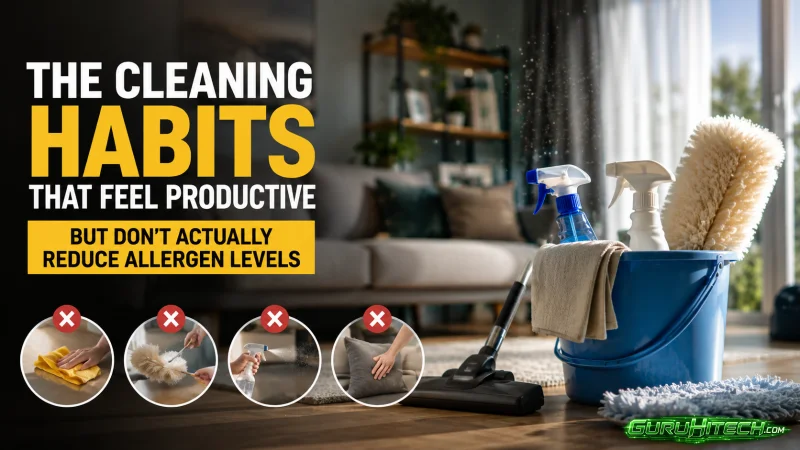
Many cleaning routines are built around what people can see. A quick pass with the vacuum, wiping down the kitchen counters, and straightening up the living room certainly make a home look presentable. However, a tidy appearance does not always mean fewer allergens are circulating through the indoor environment.
Dust mites, pollen, pet dander, mold spores, and other microscopic particles behave differently from visible dirt. They settle into fabrics, drift through ventilation systems, and become airborne again with everyday movement. Without targeting the places where these particles collect, cleaning efforts may improve appearance while doing very little to improve indoor air quality.
Recognizing which habits actually reduce allergens and which simply create the illusion of cleanliness helps homeowners spend their time more effectively.
Dusting Without Capturing Particles
One of the most common mistakes is using a dry cloth or feather duster to remove dust. Although furniture immediately looks cleaner, much of the dust simply becomes airborne before settling somewhere else in the house.
This creates a cycle where shelves appear dusty again only a day or two later. The particles were never removed from the home; they were merely relocated. Damp microfiber cloths or materials designed to trap dust provide much better results because they lift particles instead of spreading them around.
Changing this single habit can noticeably reduce how quickly surfaces collect dust again.
Vacuuming Alone Has Its Limits
Vacuuming is an essential part of home maintenance, but it is not a complete solution for allergen control. Carpets, rugs, and upholstered furniture often hold microscopic debris deep within their fibers where routine vacuuming cannot always reach.
Traffic patterns also influence where allergens accumulate. Hallways, entryways, and living rooms experience constant movement that pushes particles farther into flooring materials over time.
When buildup has been allowed to develop for months, restoring those areas usually requires more than standard weekly maintenance. In those situations, many homeowners arrange cleaning services nj to help remove deeply embedded dirt before returning to a regular cleaning routine.
Ignoring Fabrics Throughout the Home
Curtains, decorative pillows, blankets, and upholstered chairs quietly collect airborne particles every day. Since these items are not cleaned as frequently as floors or countertops, allergens continue accumulating without attracting much attention.
Even bedrooms contribute to the problem. Mattresses, bedding, and fabric headboards naturally trap skin cells and dust, creating an environment where dust mites thrive if routine care is inconsistent.
Including household fabrics in a seasonal cleaning schedule helps reduce the amount of particulate matter that remains inside living spaces.
Air Vents Need More Attention Than They Receive
Heating and cooling systems constantly move air from room to room. If supply vents, return vents, and filters become coated with dust, they continue distributing fine particles throughout the house whenever the system operates.
Many homeowners replace filters regularly but overlook the vents themselves. Dust collecting around vent covers can easily become airborne again as conditioned air passes through.
Keeping these components clean supports the work being done elsewhere in the home instead of allowing contaminants to circulate repeatedly.
Cleaning Around Furniture Isn’t the Same as Cleaning Under It
Large furniture pieces often remain in the same position for years. During that time, dust, hair, crumbs, and lint gather underneath without disturbance because routine cleaning usually follows the visible walking paths.
These hidden spaces eventually become reservoirs for fine particles. Every time furniture is moved or airflow changes, some of that accumulated material returns to the surrounding rooms.
Occasionally shifting lightweight furniture or cleaning underneath larger items during seasonal maintenance helps remove buildup that would otherwise remain untouched.
Moisture Also Influences Allergens
People often associate allergens only with dust, yet excess moisture plays an equally important role. Damp bathrooms, laundry rooms, and poorly ventilated areas create conditions where mold spores can develop and spread indoors.
Addressing moisture quickly reduces the likelihood of those spores becoming part of the home’s air. Simple habits such as improving ventilation after showers or drying wet areas promptly make a noticeable difference over time.
CJM Cleaning frequently reminds homeowners that effective cleaning includes managing the conditions that allow allergens to multiply, not simply removing visible dirt after it appears.
A Complete Routine Delivers Better Results
Cleaning becomes much more effective when every part of the home works together. Floors, fabrics, ventilation, moisture control, and overlooked surfaces each influence the overall indoor environment. Focusing heavily on only one area leaves opportunities for allergens to continue circulating.
Small adjustments to regular routines often produce better long-term results than spending an entire weekend repeating the same visible chores. Consistency across different parts of the home gradually reduces the sources that contribute to poor indoor air quality.
CJM Cleaning encourages homeowners to view cleaning as a preventive practice rather than a reaction to dust that has already become noticeable.
Conclusion
Some cleaning habits improve appearance without significantly affecting the allergens present inside a home. Dust that is merely moved, fabrics that are rarely cleaned, and neglected ventilation components all allow microscopic particles to remain part of the indoor environment.
A healthier home depends on removing allergens from the places where they accumulate instead of concentrating only on what is immediately visible. When cleaning routines become more comprehensive, the benefits extend beyond appearance to create a more comfortable living space throughout the year.
Scopri di più da GuruHiTech
Abbonati per ricevere gli ultimi articoli inviati alla tua e-mail.