
The Complete Guide to Protecting Your Home with a Proper Gutter System
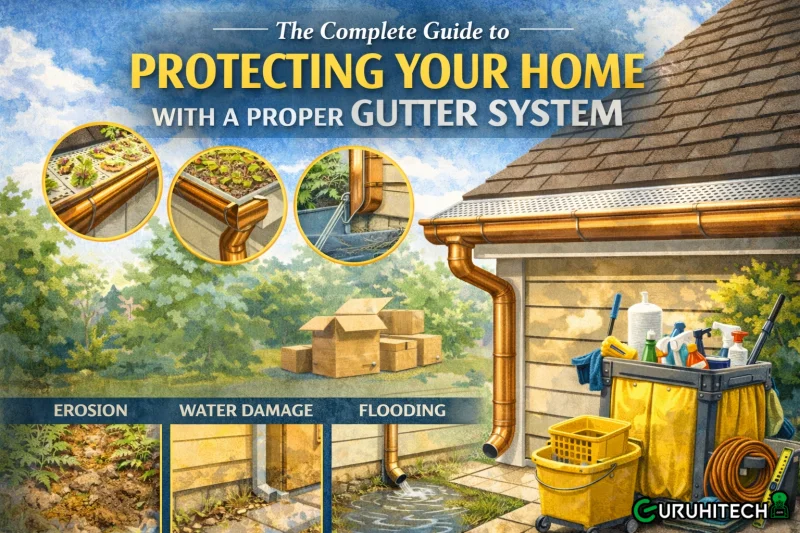
A well-designed drainage system is one of the most overlooked yet critical components of any home. While roofs and siding often get the spotlight, the system that channels rainwater safely away from the structure quietly does the heavy lifting. Without it, even a solidly built house can suffer from water damage, foundation issues, and costly repairs over time. This guide explores everything homeowners need to know about choosing, planning, and maintaining a reliable rainwater management system, helping you make informed decisions that protect both your property and your investment.
Rainwater may seem harmless, but when it is not directed properly, it becomes one of the most destructive forces a building can face. Excess water can erode soil around the foundation, seep into basements, stain exterior walls, and damage landscaping. Over the years, repeated exposure to uncontrolled runoff weakens structural elements and shortens the lifespan of many exterior materials. This is why a properly planned and professionally executed gutter installation plays such an essential role in long-term home protection.
Why a Proper Drainage System Matters
The primary purpose of a gutter system is to collect rainwater from the roof and guide it safely away from the structure. When this system functions as intended, it prevents water from pooling near the foundation, reduces soil erosion, and helps maintain a stable moisture balance around the home. Without it, water cascades directly off the roof, often landing in concentrated areas that are not designed to handle such volume.
Over time, this repeated impact can lead to cracked foundations, flooded basements, and damaged crawl spaces. Exterior surfaces such as siding, brick, and wood trim may develop stains, rot, or mold growth due to constant moisture exposure. Landscaping also suffers, as flower beds can wash away and soil compaction can occur. Investing in a quality drainage system is not just about managing rain; it is about preserving the integrity and value of the entire property.
Understanding Different Gutter Materials
Choosing the right material is a major decision that affects durability, appearance, and maintenance requirements. Aluminum is one of the most popular choices because it is lightweight, resistant to rust, and available in a wide range of colors. It offers an excellent balance between affordability and longevity, making it suitable for many residential applications.
Steel systems are stronger and can handle heavy water flow, but they require proper coating to prevent corrosion. Copper, on the other hand, is known for its exceptional durability and distinctive appearance. While more expensive, it develops a natural patina over time and can last for decades with minimal maintenance. Vinyl options are budget-friendly and easy to install, but they may not perform as well in extreme weather conditions and can become brittle over time.
Seamless vs. Sectional Systems
One of the most important design choices involves deciding between seamless and sectional systems. Sectional systems are made up of pre-cut pieces joined together during installation. While they are generally more affordable upfront, the joints can become weak points where leaks and clogs develop over time.
Seamless systems are custom-formed to fit the exact dimensions of the home. Because they have fewer joints, they are less prone to leaking and require less maintenance in the long run. Many homeowners prefer seamless designs for their clean appearance and improved performance. Although the initial cost may be higher, the reduced risk of future issues often makes them a cost-effective option over time.
The Importance of Proper Sizing and Slope
A common mistake in drainage system planning is underestimating the importance of correct sizing. Systems that are too small may overflow during heavy rainfall, rendering them ineffective. The size of the roof, pitch, and average rainfall levels all influence the appropriate dimensions.
Equally important is ensuring the correct slope. A slight angle allows water to flow smoothly toward the downspouts without pooling. Improper slope can cause standing water, which increases the risk of corrosion, debris buildup, and mosquito breeding. Professionals calculate these factors carefully to ensure optimal performance throughout the year.
Downspouts and Water Direction
Downspouts are just as crucial as the channels themselves. Their placement and length determine where the collected water ultimately ends up. Ideally, water should be discharged several feet away from the foundation to prevent seepage and erosion. Extensions or underground drainage solutions can be used to direct water even further from vulnerable areas.
In some cases, homeowners choose to integrate rainwater harvesting systems. These allow collected water to be reused for irrigation, reducing water waste and lowering utility costs. When planned correctly, such systems combine sustainability with effective property protection.
Installation Process and What to Expect
A professional installation process typically begins with a thorough assessment of the roofline and exterior structure. Measurements are taken, material options are discussed, and a custom plan is created to suit the home’s specific needs. Once fabrication is complete, the system is securely attached using durable hangers designed to withstand weather stress.
During this stage, attention to detail is critical. Fasteners must be properly spaced, joints sealed correctly, and downspouts positioned for optimal drainage. A high-quality gutter installation ensures that every component works together seamlessly, reducing the likelihood of leaks or failures over time.
Maintenance and Long-Term Care
Even the best systems require regular maintenance to perform effectively. Leaves, twigs, and other debris can accumulate, especially during certain seasons. When blockages occur, water may overflow or back up, defeating the purpose of the system.
Routine cleaning, typically performed once or twice a year, helps prevent these issues. Installing protective covers or guards can further reduce debris buildup and minimize maintenance needs. Periodic inspections are also recommended to check for loose fasteners, sagging sections, or signs of wear.
Common Problems and How to Avoid Them
Many drainage system issues stem from improper installation or neglect. Poorly secured sections can pull away from the roofline, while inadequate slope leads to standing water. Using low-quality materials may save money initially but often results in higher repair costs down the road.
To avoid these problems, it is essential to work with experienced professionals and invest in quality components. Regular upkeep and prompt repairs when minor issues arise can significantly extend the life of the system and maintain its effectiveness.
Energy Efficiency and Home Value Benefits
While often associated only with water control, a well-functioning drainage system can also contribute to energy efficiency. By preventing moisture buildup around the foundation and walls, it helps maintain stable indoor conditions. This can reduce the strain on heating and cooling systems, leading to lower energy bills.
From a resale perspective, prospective buyers appreciate homes that show signs of proper maintenance. A clean, well-installed drainage system enhances curb appeal and signals that the property has been cared for. In many cases, this can positively influence property value and buyer confidence.
Choosing the Right Professional
Selecting a qualified contractor is just as important as choosing the right materials. Look for professionals with proven experience, clear communication, and transparent pricing. A reputable provider will assess your home’s unique needs, explain available options, and stand behind their work with warranties or guarantees.
Avoid rushing the decision based solely on cost. Quality workmanship ensures that the system performs as intended and reduces the likelihood of costly repairs in the future. Asking questions and understanding the process helps you feel confident in your investment.
Final Thoughts on Long-Term Protection
Protecting a home from water damage is an ongoing responsibility, and a reliable drainage system is a cornerstone of that effort. From material selection and design to professional workmanship and regular maintenance, every step plays a role in ensuring long-term performance. When properly planned and executed, this system works quietly in the background, safeguarding your home through every season.
Ultimately, investing in a durable solution and prioritizing quality gutter installation pays dividends in reduced maintenance costs, preserved structural integrity, and peace of mind. By understanding the principles outlined in this guide and taking a proactive approach, homeowners can ensure their property remains protected for years to come.
Scopri di più da GuruHiTech
Abbonati per ricevere gli ultimi articoli inviati alla tua e-mail.