
The Essential Role of Safe and Efficient Parking in Modern Freight Operations
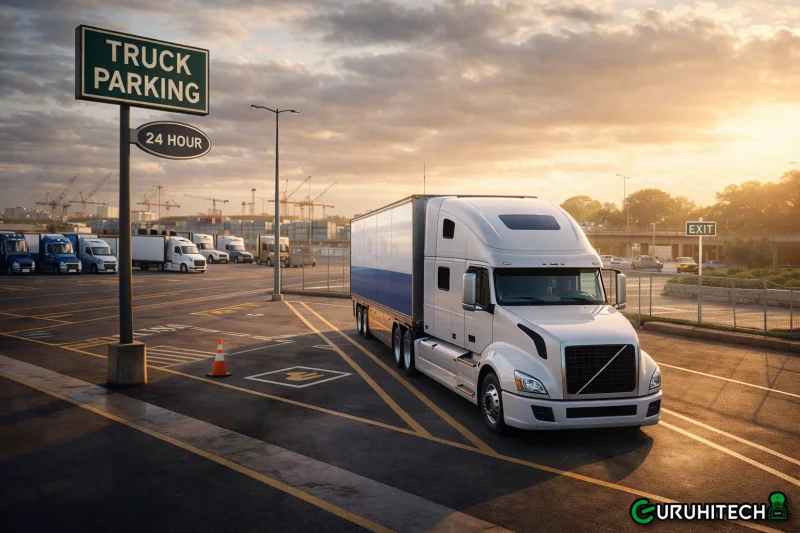
The movement of goods is one of the most critical foundations of the global economy. Every product on a store shelf, every piece of industrial equipment, and every parcel delivered to a doorstep has likely spent time on a commercial vehicle. While much attention is given to vehicles, drivers, fuel efficiency, and logistics software, one vital element often receives far less discussion: where those vehicles safely stop, rest, and reset between journeys. Thoughtfully designed parking solutions are no longer a side issue; they are a core component of efficient, safe, and sustainable freight operations.
As supply chains grow more complex and delivery expectations rise, the pressure on drivers and fleet managers increases. Long hours, tight schedules, and regulatory requirements all converge, making rest and planning essential. Without proper places for vehicles to stop, drivers face difficult decisions that can affect safety, compliance, and overall productivity. Understanding the importance of organized parking facilities helps clarify why this topic deserves serious attention from policymakers, businesses, and industry stakeholders alike.
Why Parking Infrastructure Matters More Than Ever
Commercial transportation has changed dramatically over the last few decades. Increased demand for rapid delivery, just-in-time inventory systems, and e-commerce fulfillment has resulted in more vehicles on the road than ever before. At the same time, regulations governing driver hours and rest periods have become stricter, which is a positive step for safety but also places additional demands on infrastructure.
When appropriate parking options are scarce, drivers may be forced to stop in unsafe or unauthorized areas. This can lead to accidents, cargo theft, fines, or community conflicts. On the other hand, well-planned facilities support compliance, reduce stress for drivers, and improve operational efficiency for fleet operators. In this context, truck parking becomes a strategic asset rather than a simple convenience.
Supporting Driver Health and Safety
Professional drivers spend long stretches behind the wheel, often navigating traffic, weather challenges, and tight deadlines. Fatigue is one of the leading risk factors in road incidents involving heavy vehicles. Access to secure and comfortable places to stop allows drivers to rest properly, maintain alertness, and return to the road in a safer condition.
Quality parking facilities can include basic necessities such as clean restrooms, lighting, and security features, as well as additional amenities like food options and maintenance services. These features contribute directly to driver well-being. When drivers feel supported and safe, morale improves, turnover decreases, and overall performance rises. From a human perspective, investing in better parking is an investment in the people who keep supply chains moving.
Improving Compliance and Reducing Risk
Regulatory compliance is a major concern in freight transportation. Rules around hours of service are designed to protect drivers and the public, but they can be difficult to follow without adequate places to stop. If a driver reaches their maximum allowed driving time without a legal parking option nearby, they are placed in an impossible position.
Well-distributed parking facilities help eliminate this dilemma. They allow drivers to plan routes more effectively and stop when required without fear of penalties or unsafe conditions. This reduces legal risk for both drivers and companies, while also promoting safer roads for everyone.
Economic Benefits for Businesses
From a business standpoint, efficient parking solutions can have a direct impact on profitability. Delays caused by searching for parking waste fuel, increase idle time, and disrupt delivery schedules. Over time, these inefficiencies add up to significant costs.
By integrating planned parking stops into route optimization, companies can reduce wasted mileage and improve delivery accuracy. Reliable parking also helps protect valuable cargo and equipment, minimizing losses due to theft or damage. In competitive markets, these small operational improvements can create a meaningful advantage.
Environmental Considerations
Sustainability is an increasingly important factor in transportation planning. Idling engines, unnecessary detours, and congestion all contribute to higher emissions. When drivers struggle to find suitable places to stop, they may circle areas or park in locations that require engines to remain running for safety or climate control.
Purpose-built parking areas can help address these issues by offering designated spaces that reduce unnecessary movement and encourage more efficient use of fuel. Some modern facilities even incorporate alternative energy solutions, such as electric hookups or renewable power sources, supporting broader environmental goals within the industry.
Technology and the Future of Parking Solutions
Advances in technology are transforming nearly every aspect of logistics, and parking is no exception. Digital platforms now allow drivers and fleet managers to locate available spaces in real time, reserve spots in advance, and plan routes with greater precision. These tools reduce uncertainty and stress, making journeys more predictable and efficient.
Data collected from these systems can also inform future infrastructure development. By analyzing usage patterns, stakeholders can identify high-demand areas, peak times, and gaps in coverage. This data-driven approach enables smarter investment and better outcomes for everyone involved.
Community Impact and Urban Planning
The relationship between freight transportation and local communities can be complex. Improperly parked commercial vehicles can cause congestion, noise, and safety concerns for residents. When organized facilities are lacking, these conflicts become more frequent.
Strategically located parking areas help mitigate these issues by keeping large vehicles in appropriate zones. This improves traffic flow, reduces neighborhood disruption, and fosters better relationships between the transportation industry and the public. Thoughtful planning ensures that economic activity and community well-being can coexist.
Security and Cargo Protection
Cargo theft remains a significant challenge in the freight sector. Unsecured or isolated stopping points increase the risk of theft, vandalism, and tampering. Secure parking facilities with controlled access, surveillance, and lighting play a critical role in protecting goods.
For high-value or sensitive cargo, the availability of secure parking can be a deciding factor in route planning. Companies that prioritize safety through proper facilities not only protect their assets but also build trust with clients who depend on reliable delivery.
Addressing Capacity Challenges
One of the biggest issues facing the industry today is the mismatch between the number of vehicles on the road and the availability of suitable parking spaces. As freight volumes grow, this gap becomes more pronounced. Addressing it requires collaboration between public authorities, private developers, and industry organizations.
Solutions may include expanding existing facilities, repurposing underused spaces, or integrating parking considerations into new infrastructure projects. Innovative approaches, such as shared-use facilities or dynamic pricing models, can also help balance demand and supply more effectively.
The Role of Policy and Investment
Government policy plays a crucial role in shaping transportation infrastructure. Funding programs, zoning regulations, and safety standards all influence the development of parking facilities. When policymakers recognize the strategic importance of this issue, they can create frameworks that encourage investment and innovation.
Public-private partnerships are particularly effective in this area. By combining public oversight with private sector efficiency, these collaborations can deliver high-quality facilities that serve both economic and social goals. Long-term planning ensures that investments remain relevant as transportation patterns evolve.
Training and Awareness
Beyond physical infrastructure, education and awareness are essential. Drivers need access to accurate information about available parking options, while fleet managers must understand how to incorporate these resources into operational planning. Training programs that emphasize route planning, rest management, and safety can amplify the benefits of improved facilities.
Industry-wide awareness campaigns also help highlight the importance of proper parking practices. When all stakeholders recognize the shared benefits, cooperation becomes easier and outcomes improve.
A Strategic Perspective on Industry Growth
As the freight sector continues to expand, the supporting systems around it must evolve as well. Parking is not an isolated concern; it intersects with safety, efficiency, sustainability, and economic growth. Treating it as a strategic priority rather than an afterthought leads to stronger, more resilient supply chains.
By investing in smart solutions, embracing technology, and fostering collaboration, the industry can address current challenges while preparing for future demands. In this broader context, truck parking represents a critical link between policy, infrastructure, and daily operations.
Looking Ahead
The future of freight transportation will be shaped by innovation, changing consumer expectations, and global economic trends. Amid these shifts, the fundamental need for safe, reliable places to stop will remain constant. Continuous improvement in parking solutions will support drivers, protect communities, and enhance the efficiency of supply chains worldwide.
Ultimately, recognizing the value of well-planned parking is about respecting the complexity of modern logistics and the people who make it work. When infrastructure keeps pace with demand, everyone benefits from drivers and businesses to consumers and communities. By prioritizing thoughtful planning and investment today, the industry can ensure that truck parking continues to support safe, efficient, and sustainable transportation for years to come.
Scopri di più da GuruHiTech
Abbonati per ricevere gli ultimi articoli inviati alla tua e-mail.