
The Evolution of Lawn Mowing Technology
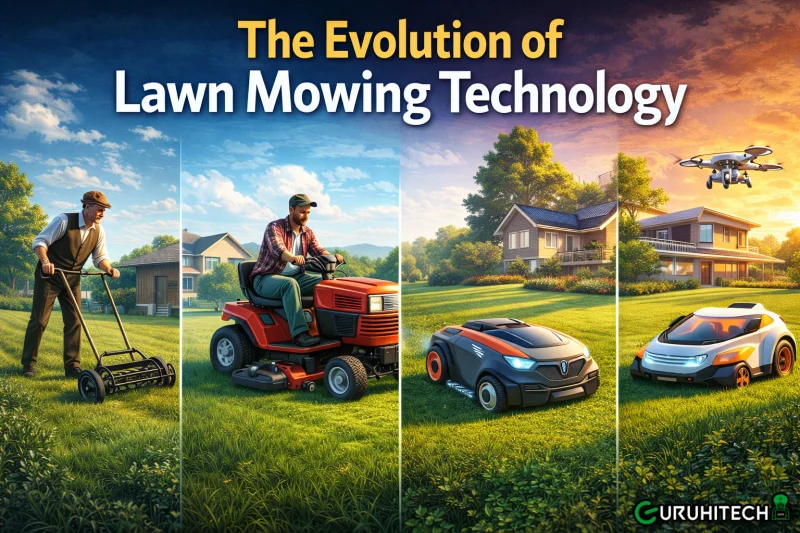
Lawn mowing has changed a lot over the years. Long ago, cutting grass was a very hard and time-consuming job. People had to use simple tools and spend many hours maintaining their lawns. Today, thanks to modern technology, mowing grass has become faster, easier, and even automatic.
Today, many companies, including robotic lawn mower manufacturers, are creating smart machines that can cut grass without human effort. These advanced machines are part of the new generation of lawn mowing technology that helps homeowners, gardeners, and landscaping companies save time.
In this article, we will explore how lawn mowing technology has evolved from simple tools to smart robotic machines.
Early Lawn Mowing Tools
In the early days, people used simple hand tools such as scythes or shears to cut grass. These tools required a lot of physical effort and time. Large gardens and parks needed many workers to keep the grass short and clean.
Later, mechanical push mowers were invented. These mowers had rotating blades and wheels that allowed people to push them across the lawn. Although they made mowing easier than using hand tools, they still required significant effort.
The Rise of Engine-Powered Mowers
As technology improved, gasoline-powered lawn mowers became popular. These machines used small engines to rotate the blades quickly, making it easier to cut thick grass. Homeowners could mow their lawns faster and with less physical effort.
During the 1960s, engineers also developed special designs like hover mowers and more advanced cutting systems that improved maneuverability and performance. For example, hover mowers use a fan system to float slightly above the ground, making them easier to move across uneven lawns.
Engine-powered machines made lawn care easier, but they also produced noise, pollution, and required fuel and maintenance.
The Innovation of Zero-Turn Mowers
Another major step in lawn mowing technology was the invention of zero-turn mowers. These machines can turn very quickly and move in tight spaces, making them perfect for large lawns and commercial landscaping.
The first zero-turn mower design appeared in the 1960s and used two independent drive levers instead of a steering wheel. This allowed the mower to spin almost in place and cut grass more efficiently.
Many landscaping companies today still rely on zero turn mower brands because they are fast, powerful, and ideal for large areas.
The Introduction of Robotic Lawn Mowers
One of the biggest changes in lawn care technology is the invention of robotic lawn mowers. These machines can mow grass automatically without needing a person to push or drive them.
Robotic mowers use sensors, GPS, and smart software to move around a lawn. Some models follow boundary wires that define the mowing area, while newer models use advanced navigation systems. They can even return to their charging station when the battery becomes low.
The first robotic mower models started appearing in the 1990s, and since then, the technology has improved rapidly. Today’s robots can schedule mowing times, detect obstacles, and be controlled using smartphone apps.
Smart Lawn Mowing Technology Today
Modern lawn mowers are smarter than ever. Many robotic models use artificial intelligence, sensors, and mapping technology to create efficient mowing patterns. Some machines can even detect rain, adjust cutting heights automatically, and avoid obstacles like toys or garden furniture.
These intelligent machines help maintain lawns more consistently because they mow small amounts of grass regularly rather than cutting large amounts at once. This keeps the grass healthier and greener.
Another benefit is that many modern mowers run on rechargeable batteries, making them more environmentally friendly compared to gasoline-powered machines.
The Future of Lawn Mowing
The future of lawn mowing technology looks very exciting. Experts believe future mowers will become even smarter, using advanced navigation systems, longer battery life, and improved automation.
Robotic lawn mowers may soon work together with other smart garden devices, such as irrigation systems and weather sensors. This could allow lawns to be maintained automatically without any manual work.
Conclusion
The evolution of lawn mowing technology shows how innovation can make everyday tasks easier. From simple hand tools to powerful engines and now intelligent robots, lawn mowing has come a long way.
Today’s advanced machines save time, reduce effort, and help people maintain beautiful lawns with minimal work. As technology continues to improve, lawn care will become even smarter, faster, and more convenient for everyone.
Scopri di più da GuruHiTech
Abbonati per ricevere gli ultimi articoli inviati alla tua e-mail.