
The Future of Advertising: How ChatGPT Ads Could Change Digital Marketing
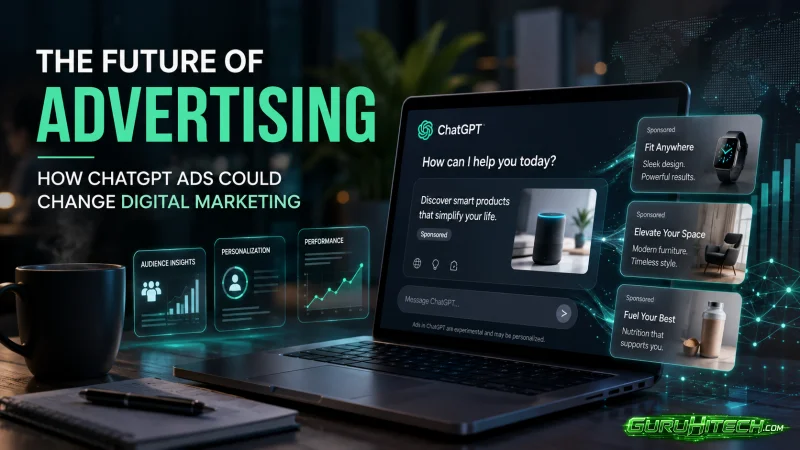
Picture this: someone asks ChatGPT for a decent pair of running shoes, and right there, tucked into the answer, sits a product suggestion. Not a banner. Not a pop-up begging you to subscribe. Just… there, woven into the conversation like a mate’s recommendation. That’s the shift happening right now, and it’s a genuinely different beast to anything digital marketing has dealt with before.
Search Ads Had Thirty Years to Get Predictable
Google Ads, for all its complexity, follows a rhythm marketers learned to dance to. Someone types a query, ads appear alongside results, everyone understands the game. ChatGPT ads don’t play by that rulebook, because there’s no results page to sit beside. The ad, if you can even call it that in the traditional sense, has to earn its place inside a direct, conversational answer. Get that wrong and it doesn’t just underperform, it feels like an intrusion into something that was supposed to be helpful.
Why This Isn’t Just Google Ads With a New Coat of Paint
A lot of businesses are treating ChatGPT ads like a shiny new placement to bolt onto an existing strategy. Wrong move. The targeting logic is different, the creative requirements are different, and frankly, the whole psychology of the user is different. Someone Googling “best coffee machine” is in browsing mode. Someone asking ChatGPT the same question has already had a mini-conversation, shared context, maybe mentioned their budget or their kitchen size. That’s a warmer, more specific moment, and ads that ignore this context land with a thud.
- Conversational context replaces keyword matching as the core targeting signal
- Creative needs to sound like advice, not like an advertisement
- Trust is fragile, users notice instantly if a recommendation feels planted
- Measurement models built for click-through rates don’t map cleanly onto conversational placements
The Trust Tightrope
So what’s the biggest risk here? Trust, hands down. People go to ChatGPT expecting something closer to a knowledgeable friend than a shopfront. The second an ad feels shoehorned in, awkward, obviously paid, out of step with the actual question asked, users clock it immediately. And once that trust cracks, it doesn’t just hurt the one brand that overstepped, it makes people warier of every ad that follows. Early movers in this space carry real responsibility for setting the tone, whether they realise it or not.
Early Money Is Already Being Wasted
Plenty of businesses have already jumped in, treating this new channel with the same broad budget approach that worked on Facebook a decade ago. Spend a little, see what sticks, and scale from there. But that approach can quickly waste money because the mechanics are different, and a strategy designed for feed scrolling does not necessarily translate to a conversational, intent driven environment. The piece on where money tends to disappear with ChatGPT Ads in Australia and how to run them without wasting money is worth reading before committing a serious budget to this channel.
What Advertisers Actually Need to Rethink
Copywriting for this space isn’t like writing a headline built to grab attention in half a second of scroll time. It needs to sound like genuinely useful information, phrased the way a helpful, slightly opinionated friend would phrase it. Overt sales language sticks out like a sore thumb inside a conversational reply, and users notice fast. Brands that win here will be the ones willing to write less like marketers and more like actual humans giving actual advice.
Measurement Gets Messy, At Least for Now
Click-through rate, cost per click, all the familiar metrics marketers lean on, don’t map cleanly onto a conversational placement. Someone might read a recommendation, nod along, and buy the product three days later after a completely separate search, with zero attributable click connecting the two moments. Attribution models are going to need serious rebuilding here, and any business expecting tidy, familiar dashboards from day one is setting itself up for disappointment.
Who Stands to Win First
Brands with genuinely strong, well-documented expertise have an edge here, because conversational AI leans on authority signals to decide what’s worth surfacing in the first place. A business that’s built a reputation for actually answering questions well, rather than just running louder ads, is in a stronger starting position than one relying purely on ad spend to force visibility. Content quality and ad performance are becoming far more tangled together than they used to be.
The Regulatory Question Nobody’s Answered Yet
Disclosure rules for this kind of advertising are still being worked out, and that ambiguity is a genuine risk for early adopters. What counts as adequately disclosed, sponsored content inside an AI conversation? Nobody’s fully settled that yet, regulators included. Brands moving fast here need to keep half an eye on that conversation, because rules written after the fact tend to catch out whoever moved first and loudest.
Plus, the Platform Itself Is Still Changing
ChatGPT ads today won’t look identical to ChatGPT ads in twelve months. The format is genuinely new, which means the rules, the placements, and the pricing models are all still being shaped in real time. Treating an early strategy as fixed and permanent is a mistake. Businesses that build in flexibility, testing small, watching closely, adjusting fast, are going to handle these shifts far better than ones locked into a rigid, set-and-forget campaign structure.
So What Should Businesses Actually Do Right Now?
Don’t panic, and don’t ignore it either. Watching from the sidelines for a year risks missing the early-mover advantage, but diving in with an unchanged, traditional ad mindset risks wasting a serious chunk of budget while everyone else figures out what actually works. The middle path, small tests, close attention to conversational tone, honest measurement of what’s actually driving outcomes, is the sane way through this.
If you’re weighing up whether ChatGPT ads deserve a slice of next quarter’s budget, research a digital marketing agency that runs a dedicated ChatGPT Ads service built specifically around this new channel’s unique requirements, rather than simply applying old strategies to a genuinely different format.
A Quick Reality Check on Timelines
None of this means every business needs a ChatGPT ads strategy locked in by next month. For some categories, particularly ones with long consideration cycles or highly visual products, the format might not suit yet at all. Rushing in purely out of fear of missing out is its own kind of waste, arguably worse than sitting out a quarter while the mechanics settle.
Wrapping It Up
Advertising has reinvented itself before, radio to TV, TV to search, search to social. Each shift looked chaotic and unpredictable right up until someone cracked the code and everyone else scrambled to catch up. ChatGPT ads are exactly that kind of moment. Confusing right now, genuinely promising for whoever gets the tone right, and absolutely not something to approach with last decade’s playbook.
Ti potrebbe interessare:
Segui guruhitech su:
- Google News: bit.ly/gurugooglenews
- Telegram: t.me/guruhitech
- Facebook: facebook.com/guruhitechfb
- Instagram: instagram.com/guruhitech_official/
- X (Twitter): x.com/guruhitech1
- Bluesky: bsky.app/profile/guruhitech.bsky.social
- Rumble: rumble.com/user/guruhitech
- VKontakte: vk.com/guruhitech
- MeWe: mewe.com/i/guruhitech
- Skype: live:.cid.d4cf3836b772da8a
- WhatsApp: bit.ly/whatsappguruhitech
Esprimi il tuo parere!
Ti è stato utile questo articolo? Lascia un commento nell’apposita sezione che trovi più in basso e se ti va, iscriviti alla newsletter.
Per qualsiasi domanda, informazione o assistenza nel mondo della tecnologia, puoi inviare una email all’indirizzo [email protected].
Scopri di più da GuruHiTech
Abbonati per ricevere gli ultimi articoli inviati alla tua e-mail.