
Urban Congestion Crash Patterns Across Low Impact and Severe Charlotte Collisions
How should a driver respond when a collision that initially seems minor begins to look more complicated? In heavy Charlotte traffic, the first reaction may be to exchange information, photograph the vehicles, and continue with the day. After the immediate stress fades, however, pain, repair costs, missed work, and questions about fault can change that assessment. Speaking with a Charlotte car accident lawyer can help an injured person evaluate those later developments without relying only on impressions formed at the scene.
Urban congestion crash patterns can make early decisions especially difficult. Low-speed traffic may produce limited exterior damage while still causing physical symptoms, and a more forceful collision can involve several vehicles, conflicting accounts, or uncertain insurance coverage. Understanding what happened, documenting its effects, and reviewing new information as it becomes available can lead to sounder decisions than treating the first few minutes as the complete story.
Summary
Initial reactions after a Charlotte collision are often based on incomplete information. A careful review of medical symptoms, vehicle damage, traffic conditions, documentation, and financial effects can reveal concerns that were not obvious at the scene.
- Congested traffic can obscure how a collision developed.
- Symptoms and repair problems may appear later.
- Work zones can add questions about lanes, signs, and visibility.
- Consistent records help preserve important details.
- Informed decisions may change as additional evidence becomes available.
How Congested Traffic Shapes Decisions After a Collision
Traffic density affects more than the likelihood of a crash. It also influences how drivers perceive impact severity, remember the sequence of events, and respond afterward. A person involved in a slow-moving rear-end collision may believe the incident is insignificant because neither vehicle appears badly damaged. Someone struck during a faster lane change may immediately recognize the seriousness of the event. In both situations, the initial judgment is only a starting point.
A more informed assessment develops gradually. Medical examinations can identify injuries that were difficult to recognize during the stress of the crash. Repair facilities may uncover damage beneath a bumper or around sensors and structural components. Photographs, witness accounts, traffic camera recordings, and insurance documents may clarify how the vehicles moved before impact. Reviewing these pieces together provides a more reliable picture than depending on one observation.
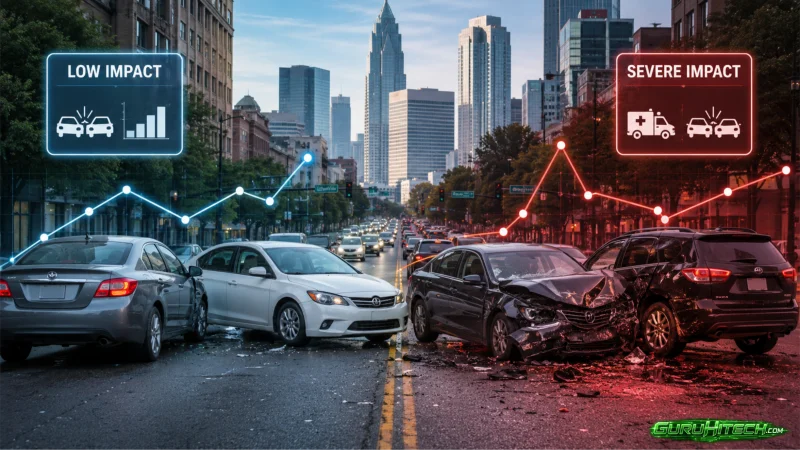
Why Low Impact Collisions Can Be Misleading
A low-speed crash does not automatically mean there are no injuries or meaningful losses. Vehicle bumpers are designed to absorb some force, which can make exterior damage appear limited even when components underneath need repair. The people inside the vehicle may also experience sudden movement that strains muscles and joints.
Adrenaline can temporarily reduce awareness of pain. Neck stiffness, headaches, back discomfort, or soreness may become noticeable several hours later or the following morning. This does not prove that every delayed symptom resulted from the collision, but it does make prompt medical evaluation and accurate reporting important. A medical provider can assess the symptoms and recommend appropriate care.
The practical response is to avoid making firm statements about being uninjured before enough time has passed to understand the situation. Drivers can remain factual when speaking with insurers by describing what they know and avoiding guesses. If symptoms develop, documenting when they began and how they affect ordinary activities can help create a clear record.
How Severe Crashes Create Different Concerns
More serious collisions tend to produce immediate needs, including emergency treatment, towing, transportation arrangements, and contact with family members. These demands can make it difficult to preserve information at the scene. A person receiving medical care may not be able to photograph the vehicles, identify witnesses, or hear what other drivers tell an officer.
Severe crashes can also generate several overlapping losses. Hospital bills may arrive while the injured person is unable to work. A vehicle may be declared a total loss, leaving questions about its value and replacement transportation. Long-term treatment could affect household routines, caregiving responsibilities, or the ability to perform a physically demanding job.
These circumstances call for organized decision-making. Important records may include the crash report, photographs, medical instructions, billing statements, wage information, repair estimates, and messages from insurance representatives. Keeping these materials together can reduce confusion and make it easier to identify missing information.
What Role Do Construction and Work Zones Play
Charlotte construction zones can change familiar driving conditions with little room for adjustment. Lane shifts, narrowed travel areas, temporary barriers, uneven pavement, and changing signs may require drivers to react quickly. Congestion near work zones can also produce repeated braking and merging, increasing the chance of rear-end and sideswipe collisions.
Consider a driver approaching a lane closure during afternoon traffic near an I-85 construction area. Vehicles begin merging earlier than expected, traffic slows sharply, and one driver moves into a narrowing lane before striking another car. At first, the crash may appear to be a straightforward unsafe lane change. A closer review could raise additional questions about sign placement, lane markings, sight distance, each driver’s speed, and whether traffic had already come to a stop.
Those details matter because fault should be evaluated through evidence rather than assumptions. Photographs showing temporary signs and barriers may help establish the conditions that existed at the time. Witnesses may remember whether a vehicle accelerated, failed to yield, or entered a closed portion of the roadway. When possible, preserving this information early can prevent it from being lost as the work zone changes.
How Should Someone Reassess an Early Decision
Reassessment begins by comparing the original understanding of the crash with what is known now. A person might initially decide not to pursue medical care because the discomfort seems mild. If pain becomes persistent, affects sleep, or interferes with work, that choice can be reconsidered. Seeking care later does not require exaggerating what happened. It means responding to symptoms as they actually develop.
The same principle applies to property damage and insurance communications. An early repair estimate may not include hidden damage discovered after disassembly. A quick statement to an insurer might omit details that the driver remembered after reviewing photographs or speaking with a passenger. Corrections and additional information should be communicated accurately and documented when appropriate.
Before signing a release or accepting a settlement, it is useful to understand what the agreement covers. Some settlements resolve the entire claim, including losses that may continue. If treatment is ongoing or the full financial impact remains uncertain, getting information from a car crash law firm in Charlotte may help a person evaluate whether the available documentation reflects the complete situation.
Which Records Can Support Better Decisions
Useful documentation explains both the collision and its consequences. Scene photographs may show vehicle positions, traffic signals, lane markings, debris, weather, and construction conditions. Medical records can connect reported symptoms with examinations and treatment recommendations. Employment records may show missed hours, reduced duties, or other income effects.
A simple personal log can add context without becoming complicated. Entries might describe appointment dates, changes in symptoms, transportation expenses, and tasks that became difficult after the crash. The most useful notes are specific, consistent, and written close to the events they describe.
Communication records also deserve attention. Saving emails, claim numbers, adjuster contact details, estimates, and written offers helps prevent misunderstandings. If an important conversation occurs by phone, making a dated note of the topics discussed can provide a helpful reference later.
Planning the Next Steps With Better Information
Thoughtful planning does not require having every answer immediately. It begins with protecting health, preserving available evidence, and allowing reliable information to guide each decision. People can seek appropriate medical attention, follow treatment instructions, keep records, and ask questions before agreeing to terms they do not fully understand.
The difference between an early reaction and an informed decision often comes down to context. A crash that looked minor may have lasting physical or financial consequences, while a frightening event may become more manageable once responsibilities and available insurance coverage are clarified. Either way, careful documentation provides a steadier foundation for moving forward.
Attorney Matthew Fleishman explains, “A clear record can help people make decisions based on what actually happened and how the collision affected their lives.” That approach is particularly useful when accounts conflict, symptoms change, or an insurance company requests a quick response.
Rosensteel Fleishman Car Accident & Injury Lawyers can answer questions about Charlotte collisions and explain how the claim process may apply to a particular set of circumstances. Those who want to discuss their situation can contact the firm at 1-704-714-1450. Taking time to gather facts, understand available options, and consider future needs can support a more confident decision after a crash.
Ti potrebbe interessare:
Segui guruhitech su:
- Google News: bit.ly/gurugooglenews
- Telegram: t.me/guruhitech
- Facebook: facebook.com/guruhitechfb
- Instagram: instagram.com/guruhitech_official/
- X (Twitter): x.com/guruhitech1
- Bluesky: bsky.app/profile/guruhitech.bsky.social
- Rumble: rumble.com/user/guruhitech
- VKontakte: vk.com/guruhitech
- MeWe: mewe.com/i/guruhitech
- Skype: live:.cid.d4cf3836b772da8a
- WhatsApp: bit.ly/whatsappguruhitech
Esprimi il tuo parere!
Che ne pensi di questa notizia? Lascia un commento nell’apposita sezione che trovi più in basso e se ti va, iscriviti alla newsletter.
Per qualsiasi domanda, informazione o assistenza nel mondo della tecnologia, puoi inviare una email all’indirizzo [email protected].
Scopri di più da GuruHiTech
Abbonati per ricevere gli ultimi articoli inviati alla tua e-mail.