
What Actually Happens If You Skip Cleaning Before Moving Out of a Rental
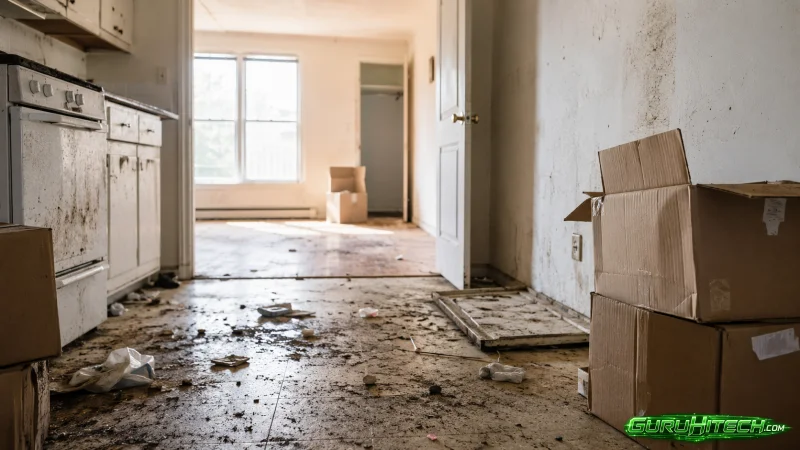
When you have to move into a new house, there are a lot of different things you have to consider that you don’t expect. There is also a lot of coordination needed when moving, spanning the coordination of the moving company, moving processing, changing of addresses, scheduling time around moving, and even the physical packing into boxes. Cleaning is almost always near the bottom of this list, and is done in a rush and/or not addressed at all in full.
The impact of poor move-out cleanup is not always immediate but is invariably economic. If these scenarios sound all too familiar, it’s because they’re what they see with tenants as they get ready to leave their property. Landlords, these scenarios are not uncommon; in fact, that’s what tenants see when they begin working with Rapid Cleaning Services when doing their rental property move-out cleaning. It’s far more real that our value is in understanding just what happens when we ignore or don’t get move-out cleaning done the way it was supposed to get done than it is just clean before you move.
The Inspection Process and What Landlords Are Actually Looking For
Most landlords and property managers follow a structured move-out inspection process. They know exactly which areas tenants are most likely to overlook, and they inspect those spaces carefully. While inspections are generally not intended to be confrontational, experienced landlords have inspected enough rental properties to recognize the difference between a quick surface clean and a truly professional move-out cleaning.
A proper inspection goes far beyond what most tenants notice during a final walkthrough. Landlords typically examine the inside of appliances, behind and underneath major appliances, bathroom grout, faucets, shower fixtures, window tracks, baseboards, cabinet interiors, shelves, and drawers. These areas provide a clear indication of whether the property has been thoroughly cleaned or simply made to appear clean.
For example, countertops may look spotless while grease still coats the inside of the oven, cabinet doors near the stove, or the range hood. Bathroom surfaces may appear clean at first glance, yet mineral deposits and soap scum remain around fixtures. These hidden details are exactly what landlords check during a move-out inspection, and they often determine whether cleaning deductions will be made.
What Deductions Actually Look Like in Practice
If cleaning deductions are taken from your security deposit, they are usually itemized. Landlords typically document the areas that required additional cleaning, the cost of each service, and the amount deducted from your deposit. Most cleaning charges follow similar patterns because the same areas are commonly missed during move-out cleaning.
Oven cleaning is one of the most frequent charges. Cleaning the inside of an oven requires specialized products, time, and effort that many tenants simply don’t have during a stressful move. Carpet cleaning is another common deduction, particularly when pet stains, food spills, or general wear have not been properly addressed.
Bathrooms are another major source of deductions. Professional deep cleaning often includes removing limescale, cleaning grout, polishing fixtures, cleaning exhaust fans, and sanitizing hard-to-reach areas such as behind the toilet. These are places that many tenants unintentionally overlook.
The amounts charged reflect the actual cost landlords pay professional cleaning companies—not what it might have cost a tenant to clean the property themselves. Once a landlord hires professional cleaners after a tenant moves out, the tenant is typically billed at the professional service rate.
The Security Deposit Math That Most Tenants Don’t Consider
Many tenants focus on the value of their security deposit without comparing it to the cost of professional move-out cleaning. However, a simple financial comparison often shows that paying for professional cleaning is significantly less expensive than risking multiple deductions from the deposit.
Professional move-out cleaning usually comes with a predictable, fixed price based on the size of the property. Security deposit deductions, on the other hand, are far less predictable. Multiple cleaning charges can quickly add up when several areas require professional attention.
Although cleaning the property yourself may appear to save money, landlords often charge professional rates for every cleaning task they need to arrange after the tenant leaves. What initially seems like a small saving can ultimately result in much larger deductions.
From a financial standpoint, investing in professional move-out cleaning is often a form of risk management. Spending a known amount before moving out is generally less expensive than facing uncertain—and potentially much higher—charges afterward.
The Documentation Problem That Makes Disputes Difficult
Many tenants assume they can easily dispute cleaning charges, but in practice this is often much more difficult than expected. Landlords frequently document the property’s condition with photographs, inspection notes, and invoices from professional cleaning companies. This creates strong evidence if a dispute arises.
Without similar documentation, tenants may struggle to prove that the property was left in satisfactory condition. If there are no photos from move-out day or no records showing the cleaning that was completed, it becomes challenging to dispute a landlord’s claim that additional professional cleaning was necessary.
Professional move-out cleaning also provides valuable documentation. A cleaning invoice confirms that the property was professionally cleaned before the keys were returned. If a disagreement occurs later, that invoice can support your position and demonstrate that reasonable steps were taken to leave the property in excellent condition.
Having professional documentation shifts part of the burden of proof in your favor. If a landlord claims that cleaning was inadequate, the existence of a professional cleaning invoice provides credible evidence that recognized cleaning standards were followed.
What Tenants Most Commonly Miss Even When They Try
Even tenants who genuinely try to leave a rental spotless often overlook certain areas. Familiarity with the property changes how people see it. Dirt, grease, and mineral buildup develop gradually over months or years, making them much less noticeable to someone who lives there every day.
Grease on kitchen cabinets near the stove, dust on baseboards, soap residue around bathroom fixtures, or mineral deposits on faucets may seem normal to the tenant because they accumulated slowly over time. A landlord or property manager, however, views the property with fresh eyes and immediately notices these issues.
This difference in perspective explains why many tenants are surprised by cleaning deductions. It’s usually not a lack of effort but a lack of objectivity. Someone seeing the property for the first time naturally notices details that long-term occupants no longer recognize.
What Professional Move-Out Cleaning Actually Delivers
Professional move-out cleaning is designed to meet the standards landlords and property managers expect during final inspections. Instead of focusing only on visible surfaces, professional cleaners thoroughly clean the entire property, including areas that tenants commonly miss.
This includes the inside of appliances, cabinet interiors, bathroom grout, fixture descaling, exhaust fans, window tracks, baseboards, drawers, shelves, and other hard-to-reach spaces. Every area receives the attention needed to ensure the property is presented at its best.
Professional cleaners also approach the property with fresh eyes, allowing them to identify dirt and buildup that occupants may no longer notice. The result is a home that looks clean not only to the person moving out but also to a landlord performing a detailed inspection.
For many tenants, professional move-out cleaning is a practical investment that protects their security deposit while reducing the stress of moving day. Rather than worrying about hidden cleaning issues or unexpected deductions, they can focus on settling into their new home with greater peace of mind.
Scopri di più da GuruHiTech
Abbonati per ricevere gli ultimi articoli inviati alla tua e-mail.