
What Is a AAA Size Battery? Everything You Need to Know (Practical Guide)
Introduction
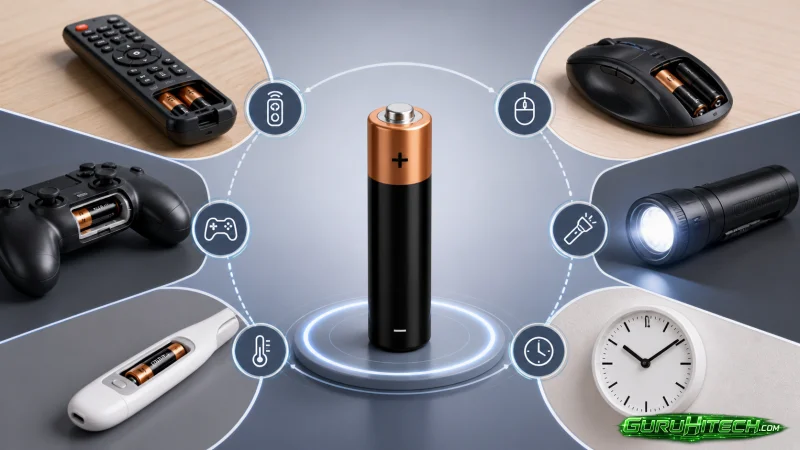
AAA batteries are one of the most commonly used small-format power sources in everyday electronics. They quietly power devices such as TV remotes, wireless keyboards, computer mice, wall clocks, digital thermometers, small toys, and some portable medical devices.
Despite their small size, they play an important role in low-power electronics where compact design and stable energy output are required.
Many users confuse AAA batteries with AA batteries or assume all AAA batteries perform the same. In reality, performance depends on chemistry, voltage behavior, capacity, and usage conditions.
This guide explains what a AAA battery is, how different types perform in real use, and key technical details you should know before choosing one.
What Is a AAA Size Battery?
A aaa size battery is a compact cylindrical battery designed for low-power electronic devices.
Standard specifications:
- Nominal voltage (alkaline): 1.5V
- Nominal voltage (NiMH rechargeable): 1.2V
- Diameter: ~10.5 mm
- Length: ~44.5 mm
Because AAA batteries are smaller than AA batteries, they store less energy but are ideal for compact devices where space is limited.
In practical use, AAA batteries are chosen when devices require:
- Lower current draw
- Lightweight power source
- Smaller battery compartments
Common Applications of AAA Batteries
AAA batteries are widely used in low to moderate power devices such as:
- TV remote controls
- Wireless keyboards and mice
- Wall clocks
- Digital thermometers
- Small flashlights
- Portable toys
- Basic medical devices
Real-world usage behavior
In low-drain devices like remotes or clocks, aaa lithium batteries can last many months or even years. However, in higher-drain devices like LED flashlights or wireless mice, battery life decreases significantly depending on usage frequency.
Types of AAA Batteries
1. Alkaline AAA Batteries
- Nominal voltage: 1.5V
- Capacity range: ~800–1200 mAh (typical)
- Shelf life: ~3–5 years
Real-world behavior:
- Works well in low-drain devices
- Gradual voltage drop over time
- Performance reduces faster in high-drain usage
These are the most commonly used AAA batteries due to availability and low cost.
2. NiMH Rechargeable AAA Batteries
- Nominal voltage: 1.2V
- Capacity range: ~600–1000 mAh (typical)
- Recharge cycles: ~300–1000 cycles (varies by quality)
Real-world behavior:
- Stable for repeated daily use
- Slightly lower voltage than alkaline
- Best in frequently used devices
NiMH batteries are widely used in gaming controllers, wireless devices, and reusable setups.
3. Lithium AAA Batteries
- Nominal voltage: 1.5V (non-rechargeable primary lithium)
- Capacity range: ~1100–1200+ mAh (varies by model)
- Shelf life: up to ~10 years (manufacturer-dependent)
Real-world behavior:
- Stable performance in extreme temperatures
- Longer runtime in high-drain devices
- Very low self-discharge over storage
These batteries are often used in critical or long-term applications.
AAA vs AA Batteries (Key Differences)
| Feature | AAA Battery | AA Battery |
| Diameter | ~10.5 mm | ~14.5 mm |
| Length | ~44.5 mm | ~50.5 mm |
| Voltage (alkaline) | 1.5V | 1.5V |
| Capacity | Lower (~800–1200 mAh) | Higher (~1800–3000+ mAh) |
| Best use | Low-power devices | Higher-power devices |
Practical insight
Both batteries share the same voltage, but AA batteries last longer because they contain more internal chemical material for energy storage.
How to Choose the Right AAA Battery
The best AAA battery depends on how the device consumes power:
- Low-drain devices (clocks, remotes):
Alkaline batteries are usually sufficient. - Frequent-use devices (controllers, mice):
NiMH rechargeable batteries are more cost-effective. - High-performance or long-life needs:
Lithium AAA batteries provide the most stable output and longest shelf life.
Storage and Usage Best Practices
Proper handling improves battery performance and safety:
- Store in a cool, dry environment
- Avoid mixing old and new batteries
- Remove batteries from unused devices for long periods
- Avoid exposure to heat or moisture
These factors help reduce leakage risk and preserve capacity.
Common Mistakes Users Make
- Assuming all AAA batteries perform the same
- Using rechargeable batteries in low-usage devices and expecting long storage life
- Mixing different battery types or brands in one device
- Ignoring voltage differences between NiMH and alkaline
These mistakes often lead to shorter runtime or inconsistent device performance.
Conclusion
A AAA battery is a small but essential power source used in many everyday electronic devices. Although all AAA batteries share the same size category, their performance varies significantly based on chemistry and design.
- Alkaline AAA batteries are best for general everyday use
- NiMH rechargeable batteries are ideal for repeated usage
- Lithium AAA batteries offer the highest stability and longest shelf life
Understanding these differences helps you choose the right battery for better performance, longer device life, and fewer replacements.
Scopri di più da GuruHiTech
Abbonati per ricevere gli ultimi articoli inviati alla tua e-mail.