
What Type of Batteries Are Used in Municipal Meters?
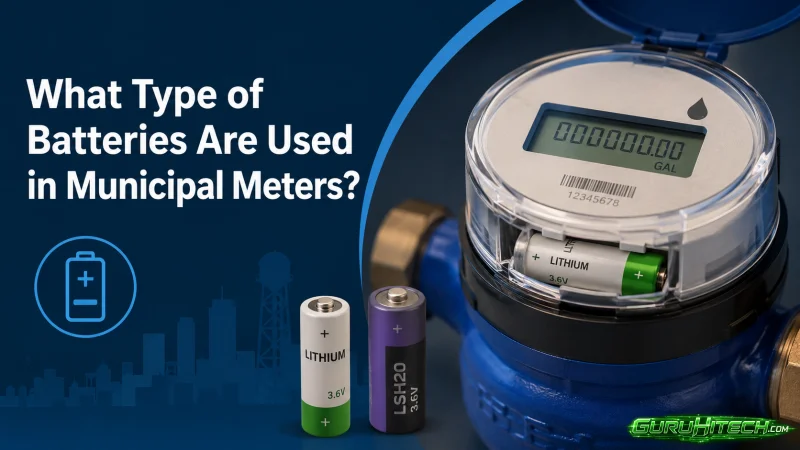
Municipal meters are used every day to measure water, gas, electricity, and other utility services. Most people see these meters outside homes, businesses, schools, public buildings, and industrial properties without thinking about what powers them.
Older meters were often mechanical. Many newer municipal meters include digital registers, sensors, communication modules, and wireless reading systems. Those electronic features often depend on batteries that are designed to last a long time with little maintenance.
Understanding what type of batteries are used in municipal meters matters because these batteries eventually reach the end of their life. When meters are replaced, upgraded, or removed in bulk, they require proper municipal meter recycling services.
Why Municipal Meters Use Batteries
Municipal meters need batteries because many modern systems do more than measure usage. They may also store data, transmit readings, support remote monitoring, or power electronic displays.
A battery allows the meter to keep working without being connected to a separate power source. This is especially useful for water meters, gas meters, and remote utility devices that may be installed outdoors, underground, or in hard-to-access areas.
The goal is simple: reliable power with minimal service. That is why many municipal meter batteries are designed for long life, steady output, and low power consumption.
Lithium Thionyl Chloride Batteries
Lithium thionyl chloride batteries are one of the most common battery types used in municipal meters, especially water meters and remote reading modules.
These batteries are usually primary batteries, which means they are not rechargeable. They are designed to provide steady power over a long period of time.
Lithium thionyl chloride batteries are often used in:
- Water meters
- Gas meters
- Remote sensors
- AMR and AMI meter modules
- Utility monitoring devices
They are chosen because they can support long-term operation in low-drain devices. However, they should not be thrown into regular trash when meters are removed. They are specialty lithium batteries and should be sorted for proper battery recycling.
Lithium Manganese Dioxide Batteries
Some municipal meter systems may use lithium manganese dioxide batteries. These are also primary lithium batteries and are commonly used where compact size, stable voltage, and reliable power are important.
They may appear in electronic registers, transmitters, monitoring devices, or other utility-related equipment.
Like lithium thionyl chloride batteries, they need proper handling at end of life. They should be identified, separated from general waste, and managed through a responsible recycling process.
Alkaline Batteries
Alkaline batteries may be found in some older, simpler, or related meter-reading equipment. They are more common in handheld devices, basic electronics, or temporary-use tools than in long-life smart meters.
Alkaline batteries are familiar, but they should still be sorted during bulk cleanouts or recycling projects. When mixed with lithium batteries, rechargeable packs, or electronic meter components, proper sorting becomes important.
Rechargeable Battery Packs
Municipal field crews may also use rechargeable battery packs in handheld readers, testing equipment, tablets, radios, or other support devices. These may include lithium-ion, nickel-metal hydride, or other rechargeable chemistries.
These batteries may not be inside the meter itself, but they are still part of utility operations. When they fail or no longer hold a charge, they should be recycled through proper battery recycling channels.
Why Meter Batteries Should Be Recycled
Municipal meter batteries should be recycled because they contain materials that should not be treated like ordinary trash. They may also be removed in large quantities during meter replacement programs.
Proper recycling helps municipalities and contractors:
- Manage bulk meter replacement projects
- Separate lithium and non-lithium batteries
- Reduce improper disposal
- Keep public works storage areas organized
- Route batteries through the correct recycling process
This is especially important when old meters contain batteries, circuit boards, wiring, plastic housings, and metal components in the same load.
How Businesses and Municipalities Should Handle Meter Batteries
The first step is identifying the battery type. Look for labels such as lithium thionyl chloride, lithium manganese dioxide, lithium primary, alkaline, lithium-ion, or rechargeable.
Batteries should be separated from regular trash and stored in a controlled area. Damaged, leaking, corroded, swollen, or crushed batteries should be kept separate and handled carefully.
For bulk quantities, municipalities and utility contractors should work with a battery recycling provider that can help with sorting, pickup, and proper disposal.
Final Thoughts
Municipal meters may use several types of batteries, but long-life lithium primary batteries are especially common in modern water, gas, and utility meter systems. These batteries help meters collect and transmit data for years, but they still need proper handling when removed from service.
Battery Recycling & Solutions helps municipalities, utilities, contractors, and commercial generators manage municipal meter battery recycling, sorting, pickup, and responsible disposal for commercial quantities.
Scopri di più da GuruHiTech
Abbonati per ricevere gli ultimi articoli inviati alla tua e-mail.