
Why Custom CMS Solutions Are Outperforming Template-Based Websites in 2026
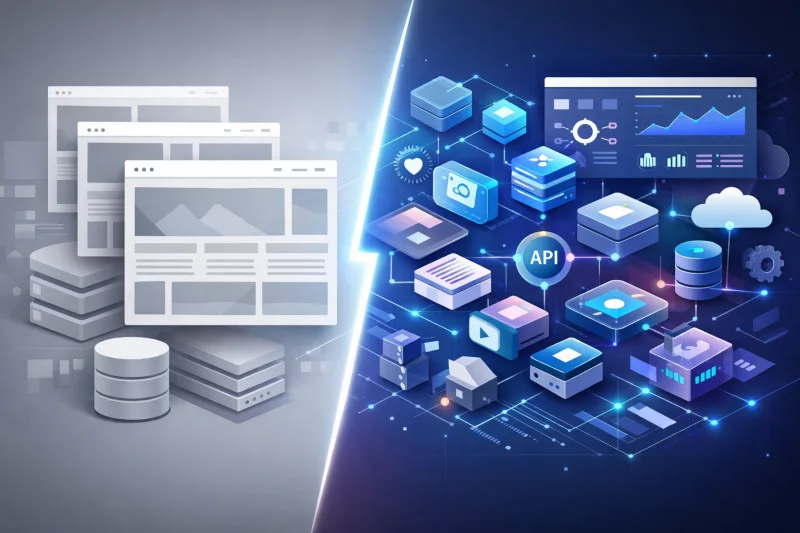
The website development landscape in 2026 looks dramatically different from what businesses experienced just a few years ago. As digital ecosystems become more complex and customer expectations continue to rise, companies are reevaluating how their websites are built, managed, and scaled.
For many years, template-based platforms dominated the market. They provided quick deployment, visually appealing layouts, and minimal technical barriers for businesses looking to establish an online presence. Website builders and pre-built themes enabled startups and small companies to launch sites rapidly without deep technical expertise.
However, as organizations scale and digital operations mature, these template-driven approaches often reveal significant limitations. Businesses are discovering that the flexibility, performance, and integration capabilities required in modern digital environments are difficult to achieve with rigid template systems.
This shift has led to the rapid growth of custom CMS solutions. Companies are investing in tailored content management systems designed around their unique workflows, scalability needs, and digital strategies. Instead of adapting their operations to fit a pre-built platform, businesses are now building CMS infrastructures that adapt to them.
In this article, we will explore why custom CMS solutions are outperforming template-based websites in 2026, how they deliver superior scalability and security, and why forward-thinking companies are prioritizing custom CMS development to future-proof their digital presence.
The Evolution of Content Management Systems
Early CMS Platforms
Content management systems have undergone significant transformation over the past two decades. What began as simple blogging platforms has evolved into sophisticated digital infrastructure supporting enterprise-level applications.
Early CMS platforms focused primarily on publishing content. Systems like WordPress, Joomla, and Drupal allowed users to create and manage web pages without directly interacting with code. This innovation made website management accessible to non-technical users and accelerated the growth of digital publishing.
Rise of Template-Based CMS Solutions
As CMS technology matured, template-based solutions became widely popular. Businesses could purchase themes, install plugins, and launch functional websites within hours. This approach drastically reduced development costs and allowed entrepreneurs to move quickly in competitive markets.
Shift Toward Custom CMS Solutions
However, as organizations began demanding more complex functionality, the limitations of template-based CMS platforms became increasingly apparent.
Modern digital strategies require deeper integrations, customized workflows, advanced analytics, omnichannel content delivery, and scalable architecture. Many businesses discovered that patching together plugins and templates often resulted in bloated code, performance issues, and security risks.
This evolution has driven a major shift toward custom content management system architectures designed specifically for a company’s operational needs.
Flexibility and Scalability That Templates Can’t Match
The Limitations of Template-Based Systems
One of the most compelling reasons businesses are adopting custom CMS solutions is the level of flexibility they provide. Template-based systems are designed to serve a wide audience, which means they often prioritize generic functionality over specialized capabilities.
While templates can support basic websites effectively, they frequently struggle when businesses require custom workflows, unique content structures, or advanced features.
Custom CMS Built Around Business Needs
For example, a growing eCommerce company may need custom product management systems, dynamic pricing models, advanced inventory integration, and complex marketing automation. Implementing these requirements within a rigid template framework often leads to inefficient workarounds or expensive plugin stacks.
Custom CMS development removes these limitations by allowing developers to design the system architecture around specific business needs.
Gradual Transition From Templates to Custom Systems
Many organizations initially explore hybrid approaches, combining template systems with tailored development through providers offering custom wordpress development services. This approach allows businesses to gradually transition from rigid templates toward more flexible CMS architectures without completely rebuilding their digital infrastructure.
Ultimately, businesses that invest in scalable CMS platforms gain the freedom to innovate and evolve their digital presence without being constrained by pre-built systems.
Performance Optimization and Speed Advantages
Eliminating Code Bloat
Website performance has become one of the most critical factors influencing user experience and search engine visibility. Template-based websites often struggle with performance due to excessive code, unnecessary scripts, and plugin overload.
Themes are typically designed to accommodate a wide range of use cases, which means they include many features that a specific business may never use.
Custom CMS development eliminates this problem by building streamlined systems tailored to the exact functionality required.
Faster Loading and Improved UX
Developers can remove unnecessary features, optimize database queries, and implement efficient caching systems that significantly improve performance.
Faster websites result in improved user engagement, reduced bounce rates, and stronger conversion performance.
SEO Benefits of High Performance
From an SEO perspective, page speed is a critical ranking factor. Businesses using enterprise CMS solutions often see improved search visibility after migrating away from heavy template-based platforms.
Enhanced Security in Custom CMS Solutions
Security Risks of Template Platforms
Security threats targeting websites have increased significantly in recent years. Template-based CMS platforms are particularly vulnerable because they rely heavily on third-party plugins and widely distributed themes.
When vulnerabilities are discovered in popular plugins, thousands of websites may become exposed simultaneously.
Custom Security Architecture
Custom CMS solutions provide stronger protection by enabling businesses to design their own security frameworks.
Developers can implement custom authentication systems, advanced user roles, secure APIs, and encrypted data flows that significantly reduce potential attack surfaces.
Reduced Exposure to Public Vulnerabilities
Since custom CMS platforms are not mass-distributed, they are less attractive targets for automated cyberattacks compared to widely used template systems.
Seamless Integrations With Modern Business Tools
Integrating CRM, ERP, and Marketing Platforms
Modern businesses depend on multiple digital systems to operate efficiently. These may include CRM software, ERP systems, marketing automation platforms, and analytics tools.
Template CMS platforms often struggle to integrate with these tools without relying heavily on plugins.
API-Driven CMS Architecture
Custom CMS solutions are typically built using API-first architecture. This enables seamless communication between different platforms and ensures data consistency across systems.
Custom Workflow Automation
Businesses can design custom workflows within their CMS to automate tasks such as content approvals, marketing campaigns, and reporting.
This transforms the CMS into a central operational hub rather than simply a publishing platform.
Future-Proofing Businesses in a Rapidly Changing Digital Landscape
Headless CMS Architecture
One of the biggest advantages of custom CMS solutions is their ability to support headless architecture. This allows content to be delivered across multiple channels such as websites, mobile apps, and digital platforms.
AI and Automation Integration
Businesses are increasingly integrating artificial intelligence into their CMS environments. AI tools can support content personalization, predictive analytics, and automated recommendations.
Custom CMS platforms make these integrations far easier to implement.
Omnichannel Content Delivery
Modern organizations must deliver consistent content experiences across multiple digital touchpoints. Custom CMS platforms enable businesses to scale their content strategy beyond traditional websites.
When Template-Based Websites Still Make Sense
Small Businesses and Early Startups
Despite the advantages of custom CMS solutions, template-based platforms still serve a purpose for certain types of projects.
Small businesses launching their first website may benefit from templates due to their affordability and ease of use.
MVP and Rapid Launch Projects
Templates are also useful for startups launching minimum viable products or short-term marketing campaigns.
They allow companies to test ideas quickly without significant development investment.
However, many businesses eventually outgrow template limitations as their digital operations expand.
Conclusion
The growing adoption of custom CMS solutions in 2026 reflects the increasing demand for scalable, secure, and high-performance digital infrastructure.
While template-based platforms once provided a convenient starting point, modern businesses require systems that can evolve alongside their growth.
Through strategic CMS development, organizations can build platforms tailored to their unique workflows, integrate seamlessly with modern business tools, and deliver optimized digital experiences to users.
Custom content management systems empower companies to move beyond the limitations of templates and create digital ecosystems designed for long-term success.
Choosing the right CMS is no longer just a technical decision—it is a strategic investment in the future of a business’s digital presence.
Ti potrebbe interessare:
Segui guruhitech su:
- Google News: bit.ly/gurugooglenews
- Telegram: t.me/guruhitech
- Facebook: facebook.com/guruhitechfb
- Instagram: instagram.com/guruhitech_official/
- X (Twitter): x.com/guruhitech1
- Bluesky: bsky.app/profile/guruhitech.bsky.social
- Rumble: rumble.com/user/guruhitech
- VKontakte: vk.com/guruhitech
- MeWe: mewe.com/i/guruhitech
- Skype: live:.cid.d4cf3836b772da8a
- WhatsApp: bit.ly/whatsappguruhitech
Esprimi il tuo parere!
Ti è stato utile questo articolo? Lascia un commento nell’apposita sezione che trovi più in basso e se ti va, iscriviti alla newsletter.
Per qualsiasi domanda, informazione o assistenza nel mondo della tecnologia, puoi inviare una email all’indirizzo [email protected].
Scopri di più da GuruHiTech
Abbonati per ricevere gli ultimi articoli inviati alla tua e-mail.