
AI Video Generator vs Traditional Video Editing: Which Approach Is More Efficient?
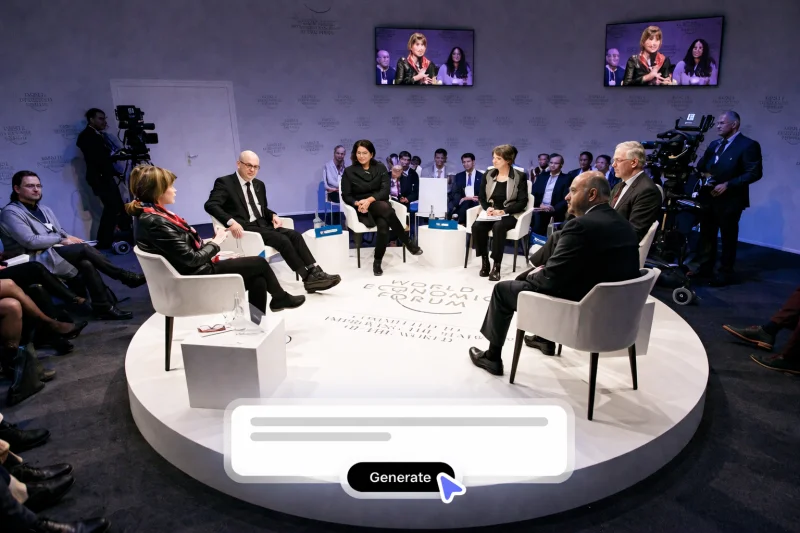
Creating video content has become an essential part of digital communication. Businesses, educators, and content creators increasingly rely on videos to explain ideas, promote products, and connect with their audiences. However, producing videos through traditional methods often requires time, technical skills, and professional editing tools. Because of these challenges, many creators are exploring new technologies that simplify video production.
One of the most important innovations in this space is the AI video generator. These tools use artificial intelligence to transform written scripts or ideas into complete videos with visuals, animations, and voice narration. Instead of spending hours editing footage manually, creators can generate videos much faster using automated systems.
As a result, many professionals now compare AI-powered tools with traditional editing methods to determine which approach is more practical for modern content creation.
Traditional Video Editing: The Conventional Approach
Traditional video editing has been the standard method of producing video content for many years. This process typically involves recording footage with cameras, importing the clips into editing software, and manually arranging scenes to create a final video.
Editors often use professional software such as Adobe Premiere Pro or Final Cut Pro to cut clips, add transitions, adjust color settings, and synchronize audio. While this approach allows for high levels of creative control, it also requires technical expertise and significant time investment.
For large production teams, traditional editing still plays an important role, especially when creating cinematic content, documentaries, or high-budget advertisements. However, for creators who need to produce content frequently, this workflow can become slow and resource-intensive.
AI-Powered Video Creation
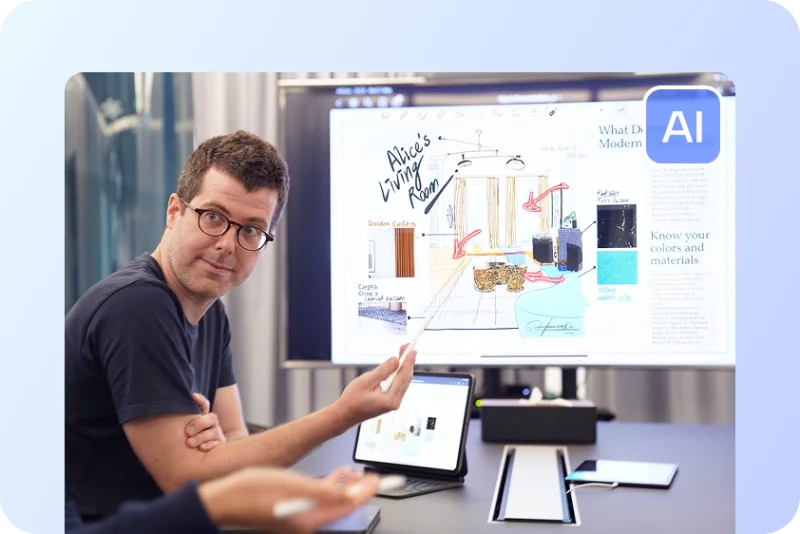
Modern AI tools are changing how video content is produced. Instead of relying entirely on manual editing, creators can now use an AI video generator to automate much of the production process.
With these tools, users can simply enter a script or text description. The AI system then analyzes the content and generates relevant scenes, background visuals, subtitles, and transitions automatically. Some platforms also provide voice narration and customizable templates that simplify the final editing stage.
This automation significantly reduces the time required to produce a video. What previously required hours of manual editing can now be completed within minutes.
Many creators and marketing teams are beginning to use platforms such as Pippit to streamline this process and convert written content into engaging videos more efficiently. As the demand for such tools grows, users also explore various pictory alternatives to find solutions that better fit their specific content needs and workflows.
Key Differences Between the Two Methods
Both traditional editing and AI-powered tools offer advantages depending on the needs of the creator.
Production Speed
Traditional editing requires multiple steps including filming, importing footage, editing, and rendering. AI-powered systems dramatically reduce production time by automating most of these tasks.
Skill Requirements
Professional editing software often requires training and experience. AI tools are designed to be user-friendly, allowing beginners to create videos without advanced editing knowledge.
Creative Control
Traditional editing offers greater control over every visual detail, making it ideal for complex video productions. AI tools focus more on speed and automation rather than full manual customization.
Content Scalability
For businesses that need to produce a large number of videos regularly, AI-powered tools offer a more scalable solution.
When to Use Each Approach
Choosing between traditional editing and AI-generated video depends on the goals of the content creator.
Traditional editing is better suited for projects that require detailed visual storytelling, high-end cinematography, or complex production elements.
AI-powered tools, on the other hand, are ideal for creating marketing videos, social media clips, educational content, and other types of videos that need to be produced quickly and consistently.
As digital platforms continue to prioritize video content, many creators find that combining both approaches allows them to maintain quality while improving efficiency.
Conclusion
Video production methods are evolving as technology continues to advance. While traditional editing remains valuable for high-end projects, AI-powered tools are introducing faster and more accessible ways to create video content.
For businesses and creators who need to produce videos regularly, automated solutions can simplify the workflow and reduce production time. As these technologies continue to improve, the balance between traditional editing and AI-powered tools will likely shape the future of digital video creation.
Scopri di più da GuruHiTech
Abbonati per ricevere gli ultimi articoli inviati alla tua e-mail.