
Expert Guide to Choosing Premium Thin iPhone Cases
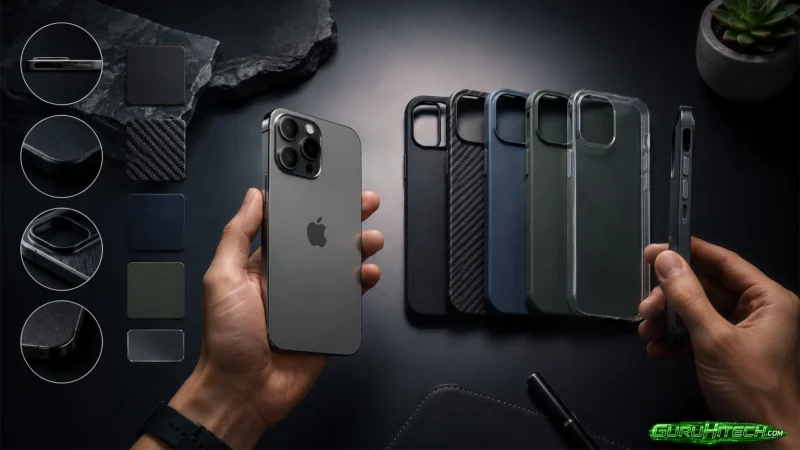
Every iPhone owner faces the same frustrating trade-off: protect your device with a bulky case that hides its elegant design, or go slim and risk scratches, cracks, and costly repairs. As Apple continues refining its hardware aesthetics—especially with the anticipated iPhone 17 lineup—fashion-conscious users are increasingly unwilling to compromise. They want cases that feel almost invisible yet still deliver meaningful protection. This demand has fueled a surge in thin aesthetic cases that promise the best of both worlds: minimalist style paired with genuine durability.
But not all slim cases are created equal. The real challenge lies in finding options that maintain crystal-clear transparency over months of use, resist everyday scratches, and hold up against accidental drops without adding unwanted bulk. This expert guide breaks down exactly what to look for when shopping for a premium thin iPhone case. We’ll explore the materials that matter most, explain how anti-yellowing technology keeps transparent cases looking fresh, and show you how to pair your case with the right screen protector for complete device protection. Whether you’re upgrading to the latest model or simply searching for a better case, this guide will help you make a confident, informed decision.
Why Thin Aesthetic iPhone 17 Cases Are Essential for Modern Users
The term “thin aesthetic” in the phone case world refers to designs that measure roughly 0.35mm to 1.5mm in thickness while maintaining a clean, minimalist visual profile. These cases strip away unnecessary bulk, rubber grips, and flashy branding in favor of understated elegance that lets the phone itself remain the focal point. For fashion-conscious users, this philosophy aligns perfectly with how they approach everything else in their lives—from wardrobe choices to accessories. An iPhone is as much a style statement as it is a communication tool, and wrapping it in a chunky, utilitarian case feels like putting a tailored suit under a rain poncho.
Apple invests enormous resources into the finish, color, and contour of every iPhone generation. The anticipated iPhone 17 lineup is expected to push industrial design even further, with refined edges and new colorways that users will naturally want to show off. Thin aesthetic iPhone 17 cases respect that craftsmanship rather than concealing it. They preserve the phone’s original silhouette so closely that many people won’t even notice you’re using a case at all.
Beyond appearances, going thin brings tangible everyday benefits. A slimmer case improves grip because your fingers sit closer to the phone’s natural curves, reducing the likelihood of fumbled drops. It also keeps the device pocket-friendly—no more struggling to slide your phone in and out of slim jeans or small handbag compartments. And despite their low profile, today’s best thin cases still deliver scratch coverage for the back panel and a slightly raised lip around the camera module to prevent lens contact with flat surfaces.
The evolution of iPhone cases over the past decade tells a clear story. Early smartphone cases prioritized shock absorption above all else, resulting in bulky armor that doubled the phone’s thickness. As screen technology and frame materials improved, case makers responded with progressively slimmer options that rely on advanced polymers rather than sheer mass for protection. We’ve now reached a point where a well-engineered thin case can handle everyday knocks, minor drops, and surface abrasion without compromising the sleek experience users demand. For modern iPhone owners who view their device as an extension of personal style, thin aesthetic cases aren’t just a nice option—they’re essential.
Key Features of Premium Thin Cases: From Transparency to Durability
Selecting a thin case that truly qualifies as “premium” means looking beyond thickness alone. The best options distinguish themselves through a combination of optical clarity, long-term resistance to discoloration, and materials engineered to absorb daily abuse without sacrificing their slim profile. Understanding these three pillars will help you separate genuinely well-made cases from cheap alternatives that look great on day one but deteriorate within weeks.
Transparent Cases: Maintaining Clarity and Showcasing Design
A transparent case serves one fundamental purpose: letting your iPhone’s original color, texture, and finish speak for itself. Whether you’ve chosen a deep blue titanium or a classic white model, a clear case turns the phone’s back panel into a visible design element rather than hiding it behind opaque plastic.
The best transparent cases achieve over 95% light transmittance, meaning what you see through the case is virtually indistinguishable from the bare phone. However, clarity isn’t just about the first impression out of the box—it’s about how the case looks three or six months later. Lower-quality clear cases tend to develop a hazy, washed-out appearance as microscopic surface scratches accumulate.
Premium options counter this with hardened outer layers that resist fine abrasion, keeping the case optically sharp over extended use. The material composition matters enormously here: high-grade polycarbonate panels maintain transparency far longer than soft silicone alternatives, which are more prone to scuffing and cloudiness.
Anti-Yellowing Technology: Ensuring Long-Lasting Clarity
Yellowing is the single biggest complaint among transparent case owners. It happens when UV radiation and body oils trigger a chemical reaction in the polymer, gradually shifting the material from crystal clear to an unappealing amber tint. Anti-yellowing technology addresses this by incorporating UV-stabilizing additives directly into the case material during manufacturing.
These additives act as molecular shields, absorbing ultraviolet energy before it can degrade the polymer chains responsible for discoloration. Cases built with this technology typically maintain their clarity two to three times longer than untreated alternatives. Brands like TORRAS have invested heavily in refining anti-yellowing formulations for their thin case lines, reflecting a broader industry push toward longer-lasting transparency.
When shopping, look for explicit mentions of “anti-yellowing” or “UV-resistant” on the product listing—vague claims like “stays clear” without technical backing are often unreliable. You can also check user reviews filtered to three or six months of ownership, where real-world yellowing performance becomes apparent. For anyone who values a case that looks as fresh in month eight as it did on day one, anti-yellowing treatment is non-negotiable.
Premium Materials: Enhancing Scratch Resistance and Durability
Material choice dictates how well a thin case handles the constant friction of pockets, bags, and tabletops. Polycarbonate delivers rigidity and excellent scratch resistance in a remarkably thin layer, making it ideal for the back panel of slim cases. TPU (thermoplastic polyurethane) offers flexibility and superior shock absorption, which is why it’s commonly used along case edges where drop impacts concentrate.
The most effective premium cases combine both in a hybrid construction—rigid polycarbonate back with a TPU bumper frame—achieving scratch resistance and impact protection without stacking unnecessary thickness. Some manufacturers add oleophobic coatings that repel fingerprints and reduce smudging, a small but meaningful detail for users who want their case to stay clean throughout the day.
When evaluating a case’s durability claims, pay attention to whether the brand specifies drop-test heights or abrasion ratings, as these indicate genuine engineering rather than marketing language. A well-constructed hybrid thin case can reliably handle drops from three to four feet onto hard surfaces while keeping the overall profile under 1.5mm.
How to Choose the Best Thin iPhone Case: A Step-by-Step Guide
With so many slim cases flooding the market, narrowing down the right one can feel overwhelming. Rather than scrolling endlessly through product listings and hoping for the best, follow a structured approach that ensures your final choice aligns with both your personal style and your protection expectations. These five steps will guide you from initial priorities to a confident purchase.
Start by honestly assessing where you fall on the aesthetics-versus-protection spectrum. If you rarely drop your phone and work primarily at a desk, a ultra-thin polycarbonate shell under 0.5mm may be all you need. If you’re frequently on the move—commuting, traveling, or chasing kids—lean toward a hybrid design that adds a flexible bumper without dramatically increasing bulk. Knowing your risk profile upfront prevents you from overspending on features you don’t need or, worse, under-protecting a device you depend on daily.
Next, prioritize transparency paired with anti-yellowing technology if showcasing your iPhone’s design matters to you. Not every clear case is built the same, so look specifically for product descriptions that reference UV-stabilizing compounds or anti-yellowing certifications. Skip listings that only promise “crystal clear” without explaining how that clarity is maintained over time. This single filter eliminates a large portion of budget cases that will disappoint you within a few months.
Third, evaluate the material construction carefully. Check whether the case uses a polycarbonate back panel for scratch resistance and a TPU edge for shock absorption. Run your finger across the inside surface if possible—quality cases often feature a micro-dot pattern or soft lining that prevents watermark adhesion against the phone’s glass back. These subtle engineering choices signal that the manufacturer prioritized real-world usability, not just spec-sheet appeal.
Fourth, confirm that the case is compatible with screen protectors before you buy. Some thin cases have slightly raised front bezels designed to sit flush with tempered glass protectors, creating a seamless protective envelope around the entire device. Others have edges that conflict with certain protector brands, causing lifting or bubbling at the corners. Checking compatibility reviews or manufacturer pairing recommendations saves you the hassle of returning mismatched accessories.
Finally, invest a few minutes reading user reviews—but read them strategically. Filter for reviews posted at least two to three months after purchase, where owners report on long-term yellowing, fit looseness, and scratch accumulation. A case with thousands of five-star reviews dominated by day-one impressions tells you far less than a smaller review pool filled with detailed, months-long feedback.
Brand reputation also matters: companies that offer warranty replacements for yellowed cases or defective fits demonstrate confidence in their product and accountability to their customers. By following these five steps, you transform a guessing game into a deliberate decision rooted in your lifestyle, fashion preferences, and protection needs.
Integrating Screen Protectors with Thin Cases for Complete Protection
A thin case guards your iPhone’s back and edges, but the screen remains the most vulnerable surface you interact with hundreds of times a day. Pairing your slim case with a quality screen protector creates a full-coverage defense system without undermining the minimalist profile you’ve worked to maintain. Tempered glass protectors are the strongest option, typically adding just 0.33mm while delivering 9H hardness that shrugs off keys, coins, and sand-level abrasion.
Film protectors run even thinner and offer decent scratch resistance, though they lack the shatter-absorbing rigidity of glass. The key to a seamless pairing is edge compatibility—choose a screen protector specifically designed to work with slim cases so the protector’s edges don’t lift or catch against the case lip. Many premium case brands publish compatible protector lists or sell matched bundles, which removes the guesswork entirely. When both layers work together, your iPhone stays protected from every angle while still looking and feeling like the sleek device Apple intended.
Finding the Perfect Balance Between Style and Protection
Choosing a premium thin iPhone case doesn’t have to mean sacrificing style for safety or settling for protection that deteriorates after a few weeks of use. As this guide has outlined, the best thin aesthetic iPhone 17 cases strike a deliberate balance—delivering a barely-there profile that respects Apple’s design language while still shielding your device from the realities of daily life. The key is knowing what separates genuinely premium options from the flood of lookalikes on the market.
Focus on transparent cases built with proven anti-yellowing technology so your case stays crystal clear long after the initial honeymoon period. Prioritize hybrid material construction—polycarbonate backs paired with TPU bumpers—to get scratch resistance and drop protection without stacking on bulk. And don’t overlook the importance of pairing your case with a compatible screen protector, because true full-device protection requires covering every exposed surface, not just the back panel.
By applying the step-by-step selection process covered here—assessing your lifestyle, verifying material quality, checking long-term user reviews, and confirming accessory compatibility—you can make a purchase you’ll feel confident about months down the road. Take the time to invest in a case that matches both your fashion standards and your protection needs, and your iPhone will thank you for it.
Ti potrebbe interessare:
Segui guruhitech su:
- Google News: bit.ly/gurugooglenews
- Telegram: t.me/guruhitech
- Facebook: facebook.com/guruhitechfb
- Instagram: instagram.com/guruhitech_official/
- X (Twitter): x.com/guruhitech1
- Bluesky: bsky.app/profile/guruhitech.bsky.social
- Rumble: rumble.com/user/guruhitech
- VKontakte: vk.com/guruhitech
- MeWe: mewe.com/i/guruhitech
- Skype: live:.cid.d4cf3836b772da8a
- WhatsApp: bit.ly/whatsappguruhitech
Esprimi il tuo parere!
Ti è stato utile questo articolo? Lascia un commento nell’apposita sezione che trovi più in basso e se ti va, iscriviti alla newsletter.
Per qualsiasi domanda, informazione o assistenza nel mondo della tecnologia, puoi inviare una email all’indirizzo [email protected].
Scopri di più da GuruHiTech
Abbonati per ricevere gli ultimi articoli inviati alla tua e-mail.