
How CNC Machining Supports Faster Hardware Development
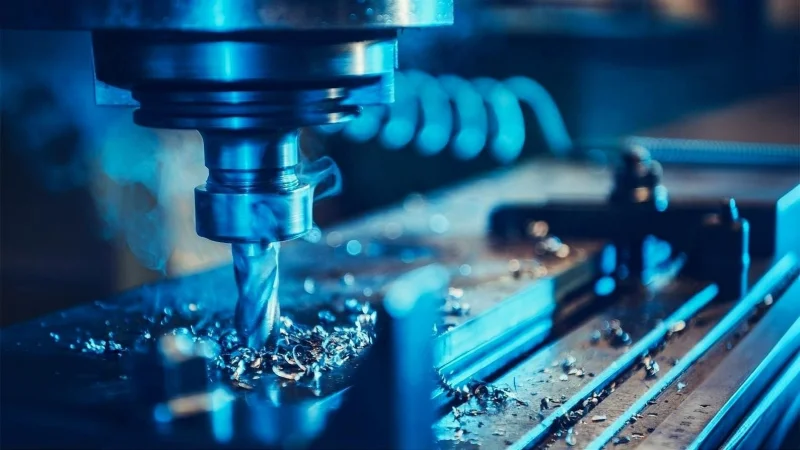
A CAD model can look finished on screen, but that does not guarantee the physical product will fit, assemble, or perform as expected. Hardware teams often need several rounds of prototyping, testing, and design changes before a product is ready for production. MachMaster CNC Machining is one example of the type of supplier hardware companies may work with when turning digital designs into functional parts. CNC machining can support this process from early validation through low-volume production.
1. Moving From CAD to a Physical Part Faster
CNC machining creates a relatively direct path from a digital design to a physical component. Once the CAD model is prepared in CAM software and converted into machining instructions, engineers can produce functional prototypes without waiting for molds or other dedicated tooling.
Those prototypes can be used to check real dimensions, test how parts fit together, and evaluate mounting points, clearances, and important interfaces. This is especially valuable when several components need to work together in one assembly.
Getting a physical part earlier gives engineering teams useful feedback sooner. Problems that may not be obvious on screen can be identified while the design is still easy to change.
2. Design Changes Are Easier During Development
The first prototype is rarely the final version. A mounting hole may need to move, a wall may need more thickness, or two parts may interfere during assembly.
With CNC machining, engineers can update the CAD model and produce another version without starting over with a new mold or other dedicated tooling. The development process can move through a simple cycle: Design → Machine → Test → Modify → Test Again.
Each round gives the team more information about how the part behaves in real use. Because revisions can be tested relatively quickly, teams can solve problems earlier instead of carrying them into later stages of development, where changes are usually more expensive and disruptive.
3. Testing the Materials You Actually Plan to Use
A prototype is more useful when it behaves like the final part. CNC machining allows teams to produce components from materials that may also be used in production, including aluminum, stainless steel, brass, and engineering plastics.
This gives engineers the chance to evaluate more than appearance. Depending on the application, they can assess strength, weight, thermal behavior, fastening performance, wear, and assembly characteristics.
For example, an aluminum housing may need to transfer heat while staying lightweight. An engineering plastic component may need to hold threaded inserts securely or resist wear around a moving interface. When working with machining suppliers such as MachMaster, using the intended production material can make prototype testing more representative of the final part.
4. Checking Tolerances Before Production Begins
Dimensions can look correct in CAD, but physical testing often shows whether the specified tolerances actually make sense for the finished product.
CNC prototypes allow engineers to check component fit, hole alignment, bearing or shaft fits, assembly clearances, and other critical dimensions under real conditions. This matters because tighter tolerances are not always better.
A very tight specification may require slower machining, additional inspection, or more specialized equipment, which can increase production cost. Early testing helps teams identify where high precision is genuinely needed and where a wider tolerance range can still meet the part’s functional requirements.
That can reduce unnecessary manufacturing complexity before larger quantities are ordered.
5. Preparing the Design for Real Manufacturing
Prototype machining can also reveal manufacturing issues that are easy to miss during CAD design.
Deep pockets, narrow internal areas, limited tool access, and features that require multiple setups can make a part slower or more difficult to machine. A small internal corner radius, for example, may require a smaller cutting tool and longer machining time when a larger radius could work just as well.
This is where Design for Manufacturing, or DFM, becomes valuable. Feedback from prototype machining helps engineers simplify difficult features, improve tool access, reduce unnecessary setups, and make the design easier to produce consistently. This kind of feedback can come from an in-house manufacturing team or an external CNC supplier, including companies such as MachMaster.
Making these changes early can lead to more predictable lead times, costs, and quality once production starts.
6. Moving Into Low-Volume Production Without a Big Jump
Once the main prototype issues have been resolved and the design is more mature, hardware companies often need a limited number of parts before committing to full production.
These may include engineering validation units, pilot batches, pre-production parts, or early customer units. CNC machining can support these smaller quantities without requiring an immediate investment in high-volume production tooling.
This gives teams more time to validate performance, confirm assembly processes, prepare the supply chain, and gather feedback from early use.
In this way, CNC machining can bridge the gap between prototype development and larger production runs while keeping the company flexible during the final stages of product development.
Conclusion
CNC machining supports faster hardware development by shortening the feedback loop between digital design and physical testing. Engineers can move from CAD models to functional parts, revise designs, test real materials, validate tolerances, and prepare components for manufacturing before committing to larger production runs.
The real advantage is not simply producing a prototype quickly. It is finding problems earlier and making better engineering decisions while changes are still manageable. That helps hardware companies enter production with a design that has already been tested for fit, function, material choice, and manufacturability.
Ti potrebbe interessare:
Segui guruhitech su:
- Google News: bit.ly/gurugooglenews
- Telegram: t.me/guruhitech
- Facebook: facebook.com/guruhitechfb
- Instagram: instagram.com/guruhitech_official/
- X (Twitter): x.com/guruhitech1
- Bluesky: bsky.app/profile/guruhitech.bsky.social
- Rumble: rumble.com/user/guruhitech
- VKontakte: vk.com/guruhitech
- MeWe: mewe.com/i/guruhitech
- Skype: live:.cid.d4cf3836b772da8a
- WhatsApp: bit.ly/whatsappguruhitech
Esprimi il tuo parere!
Ti è stato utile questo articolo? Lascia un commento nell’apposita sezione che trovi più in basso e se ti va, iscriviti alla newsletter.
Per qualsiasi domanda, informazione o assistenza nel mondo della tecnologia, puoi inviare una email all’indirizzo [email protected].
Scopri di più da GuruHiTech
Abbonati per ricevere gli ultimi articoli inviati alla tua e-mail.