
What Causes Wire Harness Failures and How Can Engineers Prevent Them?
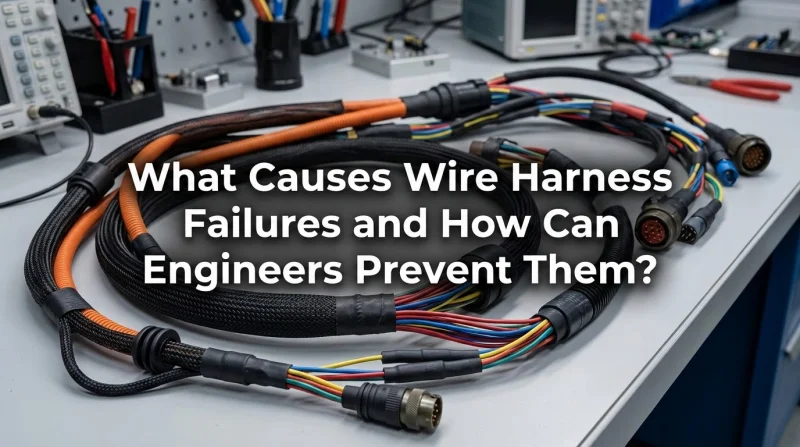
Start with the reality of hardware development. You can design the most efficient circuit board on the market, but if the cables connecting it fail, the machine is dead. Wire harnesses are the nervous system of any electromechanical device. We shove them into tight spaces, expose them to heat, and subject them to constant vibration. Failures usually come down to predictable engineering oversights that happen when the harness is treated as an afterthought.
The Reality of Routing and Abrasion
Physical damage kills wire harnesses. Engineers often design cable layouts on CAD screens where everything fits perfectly in empty space. In the physical world, a technician has to route that bundle through a metal chassis, around brackets, and past moving parts. If the routing path forces the harness against a raw metal edge, vibration will eventually cut through the insulation. This chafing causes intermittent shorts or total system failures.
To prevent this, you have to design the routing path with physical movement in mind. Use rubber grommets wherever cables pass through bulkheads. Specify abrasion resistant sleeving like braided fiberglass where the harness touches other components. Define exact tie-down points, clamp locations, and slack tolerances in your technical drawings. If a technician has to pull a wire tight to connect it, you will have a failure in the field.
Dynamic routing requires extra care. If a harness crosses a hinge or a sliding track, you must account for flex cycles. Use high flex wire with finely stranded copper. Loop the cable to spread the bending stress over a larger area instead of forcing it into a single tight pivot point.
Environmental Stress and Material Selection
Wires melt. They freeze, become brittle, and crack. They degrade when exposed to oil, coolants, or hydraulic fluid. Picking the right wire means matching the insulation and jacket materials to the exact operating environment.
Standard PVC insulation is cheap and easy to strip, but it is a terrible choice for a high-temperature engine bay or an outdoor enclosure exposed to direct UV light. If your product goes into a harsh industrial environment, you need robust materials like cross linked polyethylene or heavy silicone jackets.
You also have to plan for moisture ingress. Water wicks down the inside of a wire bundle if it isn’t properly sealed, traveling straight into your sensitive electronics. If you expect water exposure, you need sealed connectors and physical drip loops. A drip loop is a deliberate, U-shaped sag in the cable right before the connector. Gravity pulls water down to the bottom of the loop where it drips off, saving thousands of dollars in warranty claims.
For electromagnetic interference, physical separation is best. Run power and data harnesses in parallel but keep them separated by a defined distance, or cross them at 90 degree angles to minimize noise.
Termination and Crimping Failures
A harness is only as good as its terminations. A bad crimp is a ticking time bomb. If a crimp is too loose, the wire pulls out under strain or creates high electrical resistance, leading to heat buildup. If it is too tight, the copper strands break and weaken the physical connection.
Engineers prevent this by specifying exact pull-force requirements and insisting on proper tooling at the factory level. Manufacturing partners cannot use generic hand tools for production runs. They need calibrated applicator presses matched to the exact terminal being used.
This rule applies regardless of assembly location. If your company is sourcing a wire harness Thailand is a major hub for component manufacturing, but the documentation and quality expectations must remain identical to a local build. Require your suppliers to provide cross section photos of their crimps during the first article inspection. Looking at a sliced cross section under a microscope is the only reliable way to verify the internal structure and compression of the copper strands.
Pin Pushback and Connector Issues
Sometimes the crimp itself is fine, but the wire doesn’t seat properly into the plastic connector housing. This is known in the industry as pin pushback. The technician pushes the terminal into the block, it clicks into place, but the internal retaining tang doesn’t fully lock. When the mating connector is plugged in, the loose pin is pushed out the back of the housing.
The system might pass end of line testing if the pin makes temporary contact, only to fail in the field weeks later from standard operational vibration.
Prevent pin pushback by choosing connectors equipped with Terminal Position Assurance locks. These secondary plastic clips physically cannot be inserted unless all pins are fully seated in the housing. They effectively remove human error from the assembly process.
The Impact of Supply Chain and Testing Protocols
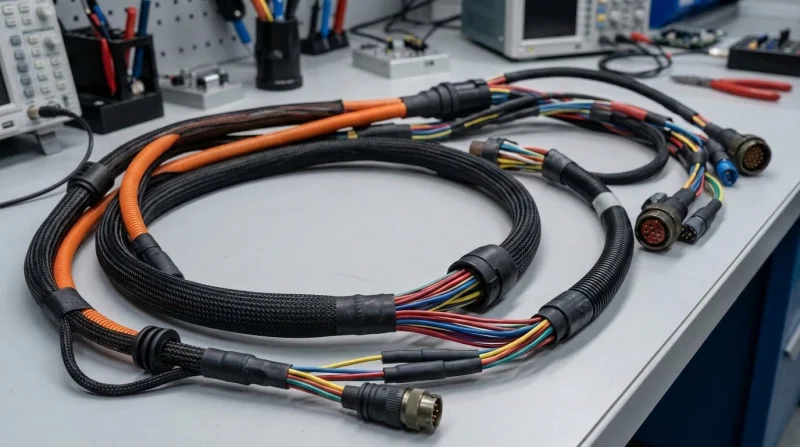
You can’t inspect quality into a product after it’s fully built. You have to design the testing protocol alongside the harness itself.
A standard continuity check is the bare minimum. It tells you if pin A connects to pin B, but it won’t reveal if insulation was nicked during assembly or if stray copper strands are dangerously close to shorting. For that level of confidence, you need high voltage hipot testing to check for dielectric breakdown and insulation resistance.
When sourcing a complex wiring harness south korea has a strong track record for precision electronics and highly automated testing equipment. Knowing regional strengths helps you set the right inspection criteria.
Regardless of source, define test parameters clearly in your statement of work. Never assume a supplier will test to a high standard that you didn’t explicitly require in writing. Add mechanical validation on the line like routine destructive pull testing to ensure crimping machines stay calibrated over time.
The Problem with Zip Ties and Strain Relief
Zip ties are great for prototyping. They are terrible for long term strain relief in production units. Tightened aggressively, a standard nylon zip tie crushes wire insulation and creates a permanent stress riser. Thermal cycling and mechanical vibration will eventually cause the copper wire to break exactly at that pinch point.
Use traditional lacing tape to secure bundles tightly. If you must use plastic fasteners, specify tension limits or provide tools that cut the tie at a pre-set torque limit. Better yet, design molded strain relief boots for all cable exits.
Treat the Harness as a Structural Component
Many engineering teams treat the wire harness as an afterthought. They design the enclosure, lay out the circuit boards, and then try to connect everything with whatever space is left. This approach guarantees reliability problems.
The most effective way to prevent harness failures is to design the cabling early in the development cycle. Treat heavy power cables and data lines as critical structural components of the system. Allocate proper space for minimum bend radii. Plan routing paths before finalizing the sheet metal. When you respect the physical limitations of the wires from day one, field failures virtually disappear.
Scopri di più da GuruHiTech
Abbonati per ricevere gli ultimi articoli inviati alla tua e-mail.