
How to Choose the Best Rack-Mounted Battery for Your Home
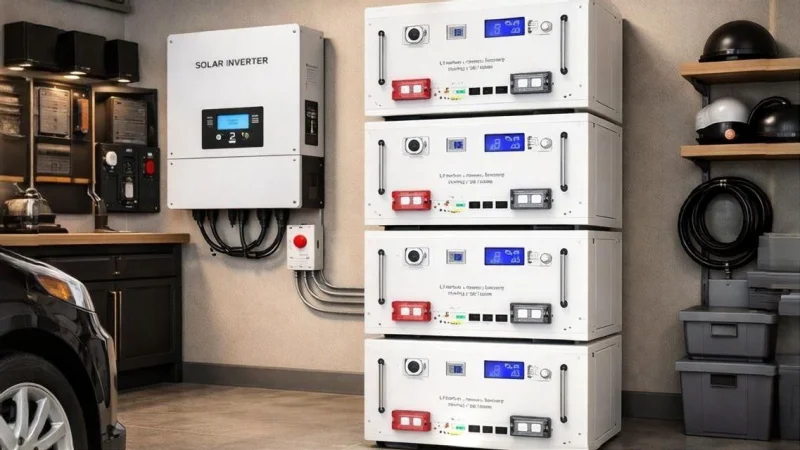
As energy independence becomes a priority for homeowners, selecting the best rack-mounted battery for your home is no longer a technical decision reserved for engineers. With rising electricity costs, grid instability, and the rapid growth of solar installations, investing in a reliable home energy storage system has become essential. Rack-mounted batteries are increasingly popular because they offer scalability, professional-grade performance, and long-term reliability.
However, choosing the right system requires understanding capacity, voltage compatibility, battery chemistry, safety certifications, and installation requirements. In this comprehensive guide, you will learn exactly how to evaluate your options, calculate your needs, and confidently select the right rack-mounted battery for your home.
What Is a Rack-Mounted Battery?
A rack-mounted battery is an energy storage unit designed to fit inside a standardized server-style rack cabinet. Unlike wall-mounted systems, these batteries are stacked horizontally in a metal rack enclosure, allowing multiple modules to operate together as a single energy storage system.
Most residential systems use lithium iron phosphate (LiFePO4) technology because of its stability and long lifespan. A rack configuration allows homeowners to start with one battery module and expand later by adding more units. This modular approach makes rack-mounted systems ideal for growing energy demands, off-grid applications, and larger solar installations.
Because of their structured design and scalable architecture, rack batteries are widely used in solar battery storage systems and backup power installations.
Why Choose a Rack-Mounted Battery for Home Energy Storage?

There are several reasons homeowners prefer rack-mounted batteries over other configurations.
First, scalability is a major advantage. If your energy needs increase, you can add additional modules without replacing the entire system. This flexibility makes rack systems future-proof.
Second, they offer higher capacity potential. If you require a 20kwh solar battery configuration, a rack system can easily accommodate multiple modules to achieve that target.
Third, professional installation and structured wiring improve safety and organization. Rack systems are often installed in garages, utility rooms, or dedicated energy cabinets, keeping them secure and accessible.
Finally, maintenance is simplified. Individual modules can be serviced or replaced without dismantling the entire system.
Key Factors to Consider Before Buying
Choosing the best rack-mounted battery for your home involves evaluating several critical specifications.
Battery Capacity (kWh)
Capacity determines how much energy your battery can store. It is measured in kilowatt-hours (kWh). If your home consumes 18 kWh per day, a system slightly above that number ensures reliable overnight backup.
For example:
Daily Usage = 18 kWh
Recommended Buffer (20%) = 3.6 kWh
Total Required Capacity ≈ 21.6 kWh
In this case, a 20kwh solar battery configuration would provide near-complete daily backup with efficient energy management.
Voltage Compatibility
Most residential rack systems operate at 48 volts. A 48v rack mount lithium battery is commonly used because it integrates seamlessly with hybrid solar inverters and off-grid systems. Always confirm your inverter’s voltage range before purchasing.
Depth of Discharge (DoD)
Depth of discharge refers to the amount of battery capacity that can be safely used. Lithium iron phosphate batteries typically allow 90–95% DoD, meaning you can utilize most of the stored energy without damaging the battery.
Cycle Life
Cycle life indicates how many charge-discharge cycles a battery can perform before its capacity drops significantly. High-quality lithium rack batteries often exceed 6,000 cycles, translating to more than 10 years of service under normal conditions.
Battery Chemistry
Lithium iron phosphate (LiFePO4) is the safest and most durable chemistry for residential storage. It provides better thermal stability, longer lifespan, and improved safety compared to older lithium-ion chemistries.
Scalability and Modularity
One of the strongest advantages of rack-mounted systems is expandability. If you start with a 10 kWh setup, you can later upgrade to a 20kwh solar battery arrangement simply by adding modules.
Warranty and Certifications
Look for certifications such as UL, CE, or IEC compliance. A strong warranty (5–10 years minimum) indicates manufacturer confidence and long-term reliability.
How to Calculate the Right Battery Size for Your Home
Choosing the correct size is crucial. Undersizing leads to insufficient backup, while oversizing increases unnecessary costs.
- Step 1: Determine daily energy consumption from your electricity bill (kWh per day).
- Step 2: Decide how many hours or days of backup you need.
- Step 3: Apply a 20% buffer for efficiency losses.
For partial backup of essential loads (refrigerator, lights, internet), 10–15 kWh may be sufficient. For whole-home backup, a 20kwh solar battery configuration is often ideal.
Rack-Mounted Battery vs Wall-Mounted Battery
Understanding the difference helps clarify which system fits your needs.
Scalability: Rack systems allow easy expansion, while wall-mounted batteries often have limited stacking capability.
Space Requirements: Rack systems require floor space, whereas wall units save space vertically.
Capacity Potential: Rack-mounted batteries generally support larger total capacity.
Installation Complexity: Wall units may be simpler for small homes, while rack systems are better suited for advanced installations.
If you anticipate growing energy demands, rack-mounted solutions provide superior flexibility.
Installation Requirements and Safety Considerations
Professional installation is highly recommended. Rack batteries should be installed in a dry, ventilated area away from direct sunlight and extreme temperatures.
Ensure:
- Proper grounding and electrical protection
- Compatible inverter and charge controller
- Adequate airflow within the rack cabinet
- Compliance with local electrical codes
A certified installer will also configure battery management system (BMS) settings to optimize performance and safety.
Average Cost of Rack-Mounted Batteries in 2026
Pricing varies depending on brand, capacity, and features.
A single 5 kWh lithium rack module may range from $1,500 to $2,500. A full 20kwh solar battery system can range from $6,000 to $12,000, excluding installation.
While initial costs are significant, long-term savings from reduced grid dependence and peak-hour electricity avoidance improve return on investment.
Best Rack-Mounted Battery Brands to Consider
Several manufacturers offer reliable rack-mounted systems with proven performance records. When evaluating brands, consider technical support availability, warranty terms, and real-world customer feedback.
Some brands focus on high-density modules, while others emphasize advanced battery management systems. Companies like Avepower provide scalable lithium rack systems designed specifically for residential and small commercial energy storage applications.
Always compare datasheets carefully before deciding.
Common Mistakes to Avoid
Many homeowners make preventable errors during the selection process.
First, ignoring inverter compatibility can cause integration problems. Always verify communication protocols and voltage requirements.
Second, underestimating future energy needs may limit scalability. Choosing a modular 48V rack-mount lithium battery system helps avoid this issue.
Third, focusing only on price rather than quality can result in a shorter lifespan and reduced safety.
Finally, neglecting professional installation increases the risk of wiring errors and voided warranties.
Final Buying Checklist
Before purchasing, confirm the following:
- Correct capacity based on your daily usage
- Compatible voltage with the inverter system
- Minimum 6,000 cycle life rating
- 90% or higher depth of discharge
- Recognized safety certifications
- Expandable modular design
- Strong manufacturer warranty
If all boxes are checked, you are likely selecting a high-quality rack-mounted battery suitable for long-term residential use.
Conclusion
Choosing the best rack-mounted battery for your home requires more than comparing prices. It involves understanding your energy consumption, evaluating capacity requirements, ensuring inverter compatibility, and selecting a modular system built for long-term performance.
Rack-mounted batteries provide scalability, higher capacity potential, and professional-grade reliability, making them ideal for homeowners seeking energy independence. Whether you need a partial backup or a full 20kwh solar battery system, prioritizing lithium iron phosphate chemistry, high cycle life, and certified safety standards ensures a smart investment.
By carefully evaluating specifications and planning for future expansion with a 48v rack mount lithium battery configuration, you can build a dependable home energy storage system that delivers resilience, efficiency, and long-term value.
Frequently Asked Questions
What size rack-mounted battery do I need?
It depends on your daily consumption and backup goals. Small homes may need 10 kWh, while larger homes typically benefit from a 20kwh solar battery configuration.
Is a 48v rack mount lithium battery good for home use?
Yes. A 48v rack mount lithium battery is one of the most common residential configurations due to inverter compatibility and efficient energy management.
How long do rack-mounted batteries last?
High-quality lithium iron phosphate rack batteries last 10–15 years, depending on usage patterns and environmental conditions.
Are rack-mounted batteries safe?
When properly installed and certified, rack-mounted lithium batteries are extremely safe. Integrated battery management systems prevent overcharging, overheating, and short circuits.
Scopri di più da GuruHiTech
Abbonati per ricevere gli ultimi articoli inviati alla tua e-mail.