
How Smart Irrigation Is Changing the Way We Maintain Outdoor Spaces
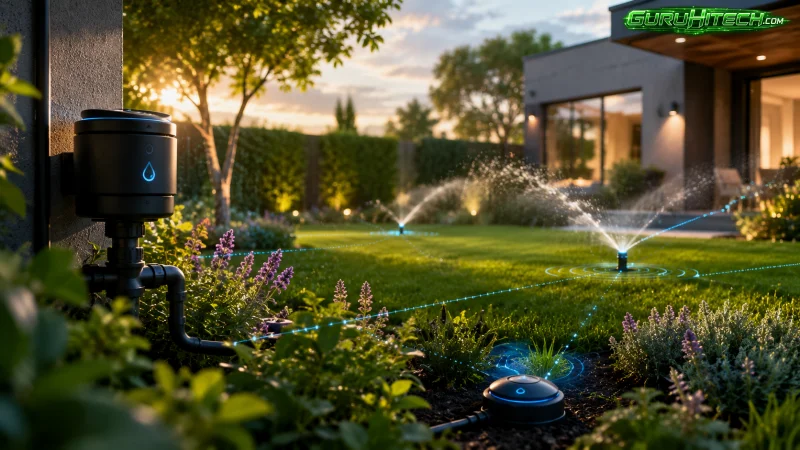
Tech blogs cover phones, apps, and smart home gadgets every day, but one corner of the smart home world gets far less attention: the yard. Irrigation systems have changed quietly over the past few years, and the tools available now would have looked like science fiction a decade ago. From weather-aware controllers to soil sensors that talk to an app on your phone, the technology behind a healthy lawn has caught up with the rest of the smart home.
From Manual Timers to Weather-Aware Systems
Old sprinkler timers worked on a fixed schedule. Water ran at 6 a.m. every other day, rain or shine, no matter what the lawn actually needed. That approach wastes water and often overwaters plants that would have been fine on their own.
Modern systems pull local weather data and adjust automatically. If a storm rolled through overnight, the system skips the next cycle. If a heat wave hits, it can bump up watering for a few days without anyone touching a dial. Some setups even use soil moisture sensors buried a few inches deep, so the system responds to actual soil conditions rather than guessing based on a calendar.
This shift matters more than it sounds like on paper. A yard that gets exactly what it needs, when it needs it, stays healthier with less waste. It’s the same logic behind smart thermostats, just applied outside instead of inside.
Zoned Control Changes the Math
A single yard rarely needs the same amount of water everywhere. A patch of lawn in full sun dries out faster than a shaded garden bed a few feet away. Zoned irrigation lets each area have its own schedule, controlled from a phone app rather than a control box in the garage.
A homeowner running a single blanket schedule across the whole property is either underwatering the sunny spots or drowning the shaded ones. Splitting a yard into zones fixes both problems at once and usually cuts total water use. Some apps now let you draw the zones directly on a satellite image of your property, which makes setup a lot less confusing than it used to be with older paper diagrams and manual valve labelling.
Why This Matters Beyond the Water Bill
Efficient irrigation isn’t just about saving money on utilities, though that’s a real benefit too. Overwatering is one of the most common causes of root rot, fungus, and poor plant health. A system tuned to actual conditions keeps plants healthier over the long run, which means fewer replacements and less ongoing maintenance.
There’s a practical side too for anyone who travels or simply forgets to check on things. A properly built system runs itself. No one needs to remember to turn a hose off or check the forecast before leaving town for a week. For rental properties or vacation homes, this kind of automation removes one more thing an owner has to think about while away.
Getting the Installation Right Matters More Than the App
A lot of the marketing around smart irrigation focuses on the app and the automation, but none of that works well if the physical system underneath wasn’t installed properly. Pipe depth, pressure balancing, and zone layout all affect how well the smart features actually perform. A poorly planned system with a great app is still poorly planned.
This is where working with a company that understands both the hardware and the property matters. If you’re located on Vancouver Island, a landscaper in Victoria BC can confirm the physical groundwork matches the sophistication of the software sitting on top of it. Triton builds and services irrigation systems designed around how water actually moves through a specific yard, not just a generic layout pulled from a manual. Getting the zoning and pressure right at install time is what makes the smart features worth having in the first place.
For anyone curious about the groundwork behind a system that lasts, this piece on building a long-lasting irrigation setup breaks down what actually holds up over time versus what tends to fail within a couple of seasons. A well-planned system, backed by a solid physical install, tends to outlast a rushed one by years, not months.
What to Look for Before Buying
If you’re shopping for a smart irrigation controller, a few features are worth prioritising over flashy extras:
- Local weather integration, not just a generic forecast pulled from a distant station
- Soil moisture sensor compatibility
- Zone-by-zone scheduling rather than one setting for the whole property
- A simple manual override for days when you just want to water something by hand
- Offline functionality, so the system still runs a sane default schedule if the internet drops
Skip anything that requires a subscription just to access ordinary scheduling. A good system should work fine offline if the internet drops for a day, and it shouldn’t lock everyday features behind a recurring fee.
Pairing Hardware With the Right Installer
Anyone shopping around for irrigation companies in Victoria BC and the surrounding area will find a mix of DIY-friendly kits and full-service installers. For smaller yards with simple layouts, a DIY kit paired with a smart controller can work fine. For larger or more complex properties, especially ones with slopes, multiple zones, or existing landscaping that needs to be worked around carefully, a professional install tends to save money in the long run by avoiding leaks, pressure issues, and coverage gaps that are expensive to diagnose later.
The Bigger Picture
Smart home tech tends to get attention for the flashy stuff: video doorbells, voice assistants, connected lighting. Irrigation rarely makes the highlight reel, but it’s one of the more practical upgrades a homeowner can make, both for the environment and for keeping outdoor spaces healthy without daily babysitting. As more of these systems come with real data behind their decisions instead of a fixed timer, the gap between a healthy yard and a struggling one often comes down to how well the underlying system was actually built.
For readers researching landscaper Victoria BC options for a smart irrigation upgrade, it’s worth asking any installer how they handle zoning, pressure testing, and winterization before signing anything. The technology is only as good as the pipes and valves underneath it.
Ti potrebbe interessare:
Segui guruhitech su:
- Google News: bit.ly/gurugooglenews
- Telegram: t.me/guruhitech
- Facebook: facebook.com/guruhitechfb
- Instagram: instagram.com/guruhitech_official/
- X (Twitter): x.com/guruhitech1
- Bluesky: bsky.app/profile/guruhitech.bsky.social
- Rumble: rumble.com/user/guruhitech
- VKontakte: vk.com/guruhitech
- MeWe: mewe.com/i/guruhitech
- Skype: live:.cid.d4cf3836b772da8a
- WhatsApp: bit.ly/whatsappguruhitech
Esprimi il tuo parere!
Ti è stato utile questo articolo? Lascia un commento nell’apposita sezione che trovi più in basso e se ti va, iscriviti alla newsletter.
Per qualsiasi domanda, informazione o assistenza nel mondo della tecnologia, puoi inviare una email all’indirizzo [email protected].
Scopri di più da GuruHiTech
Abbonati per ricevere gli ultimi articoli inviati alla tua e-mail.