
The New Prospecting Playbook: How Modern Teams Find Opportunities Before Competitors Do

Every Sales Team Is Solving the Same Problem
Ask ten sales leaders what their biggest challenge is, and you’ll hear different answers.
Pipeline quality.
Response rates.
Meeting conversions.
Revenue targets.
But underneath those challenges sits a much simpler problem:
Finding the right opportunity before everyone else does.
In highly competitive markets, timing matters.
The first company to identify an emerging opportunity often gains an advantage that is difficult to replicate later. They start conversations earlier, build relationships sooner, and position themselves before competitors even recognize the market signal.
This reality is reshaping how modern prospecting works.
The Old Playbook Was Built Around Lists
For a long time, prospecting followed a predictable process.
A team would purchase a database.
Segment contacts.
Launch outreach campaigns.
Measure responses.
Repeat.
The strategy relied heavily on scale.
More contacts meant more chances to find buyers.
For years, this approach worked reasonably well.
Then something changed.
Everyone gained access to the same tools.
The same databases.
The same automation platforms.
And the same outreach sequences.
As a result, inboxes became crowded and differentiation became harder.
The advantage no longer came from having access to information.
It came from finding better information.
Opportunity Rarely Appears as a Lead
One of the biggest misconceptions in sales is that opportunities arrive fully formed.
In reality, they rarely do.
An opportunity often begins as:
- A new interest
- A changing priority
- A growing community
- A professional transition
- An emerging conversation
These events may seem insignificant individually.
Yet collectively, they often signal future demand.
The challenge is recognizing them before competitors do.
The companies that excel at prospecting are often the ones paying attention to these early indicators.
Modern Prospecting Starts With Observation
Today’s highest-performing teams spend less time chasing random lists and more time observing markets.
They look for pattern, they monitor industries, they study communities, they pay attention to where attention is moving.
This process resembles research more than traditional prospecting.
The objective is not to contact as many people as possible.
The objective is to understand where opportunities are likely to emerge.
Once that understanding exists, outreach becomes significantly more effective.
Why Audience Movement Matters
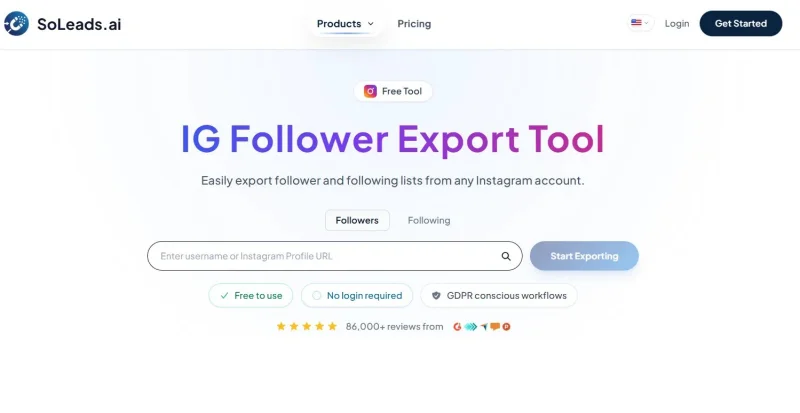
One of the most useful indicators of market direction is audience behavior.
People reveal their interests through the creators they follow, the communities they join, and the conversations they engage with.
When enough individuals begin paying attention to the same topic, a pattern emerges.
Growth teams increasingly monitor these patterns because they often reveal opportunities before conventional market data catches up.
This is one reason many organizations use an ig follower export tool to analyze audience clusters and identify communities connected by shared interests, industries, or trends.
The value is not in the follower count itself.
The value is in understanding where attention is accumulating.
Attention often moves before markets do.
Context Turns Information Into Action
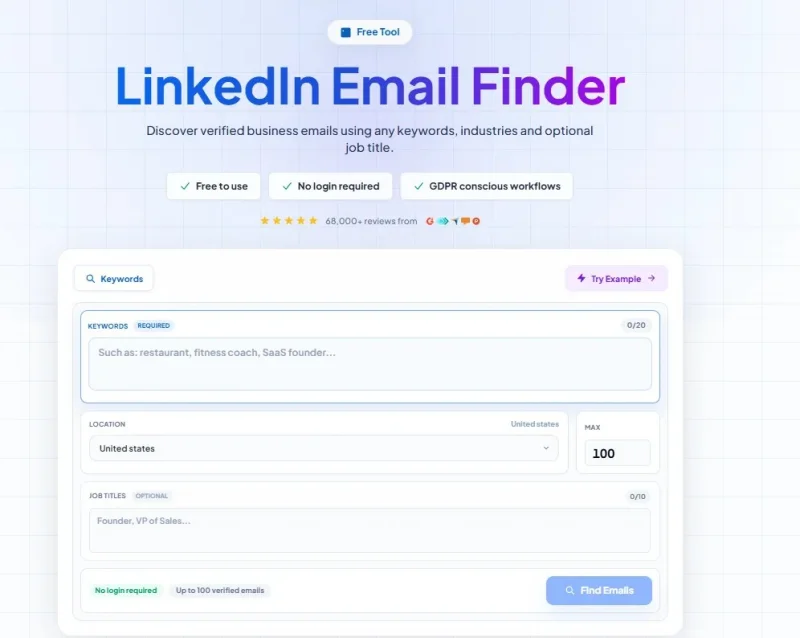
Identifying a promising audience is only the first step.
The next challenge is determining who within that audience matters most.
Every market contains:
- Buyers
- Influencers
- Researchers
- Decision-makers
- Observers
Treating them as identical creates inefficiency.
Effective prospecting requires context.
Professional information often provides that context.
Many organizations use a linkedin email finder to better understand relevant professionals, identify decision-makers, and build outreach strategies grounded in actual business relevance rather than assumptions.
Information alone is useful.
Context makes it actionable.
The Rise of Prospecting Intelligence
A growing number of organizations are moving beyond traditional lead generation and toward what could be described as prospecting intelligence.
Rather than focusing exclusively on contacts, they focus on signals.
Rather than building larger databases, they seek deeper understanding.
This shift changes how opportunities are evaluated.
Questions become:
- Which markets are gaining momentum?
- Which communities are expanding?
- Which professionals are becoming influential?
- Which conversations indicate future demand?
These questions generate far more strategic insight than simple contact volume.
Why Speed Matters More Than Ever
Modern markets move quickly.
A trend that appears niche today may become mainstream six months later.
A community that seems small today may become highly influential tomorrow.
Organizations that identify these shifts early gain valuable time.
Time to learn, time to build relationships, time to establish credibility, time to position themselves before competition intensifies.
Prospecting is increasingly becoming a race to understand change.
The Best Prospectors Think Like Analysts
Traditionally, prospecting was viewed as an execution function.
Today, it increasingly resembles analysis.
The best prospectors are not necessarily those who send the most messages.
They are often the ones who ask better questions.
Where is attention moving?
Which industries are changing?
What signals are appearing repeatedly?
Who is influencing decisions?
These questions create opportunities that volume alone cannot.
Conclusion: The Future of Prospecting Is Early Insight
Competitive advantage rarely comes from reacting faster.
More often, it comes from seeing earlier.
As information becomes more accessible and automation becomes more common, the organizations that succeed will be those that develop a deeper understanding of markets before others do.
Prospecting is no longer simply about finding people to contact.
It is about identifying opportunities while they are still forming.
The teams that master this skill will not just generate more leads.
They will consistently arrive first.
Scopri di più da GuruHiTech
Abbonati per ricevere gli ultimi articoli inviati alla tua e-mail.