
The Rise of Hyper-Personalized Digital Content
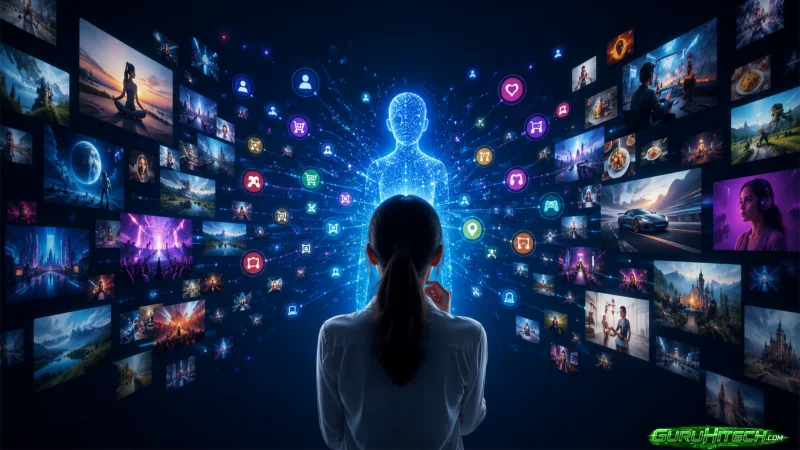
Digital content is becoming increasingly personalized. What users see online today is often shaped less by broad popularity and more by individual behavior, preferences and browsing history. Recommendation systems, AI-driven feeds and predictive algorithms are transforming the internet into a highly customized environment where no two users experience content in exactly the same way.
Over the last decade, personalization has evolved from a simple marketing strategy into one of the core foundations of digital platforms. Search engines, social networks, streaming services and e-commerce platforms continuously analyze user activity in order to predict what people are most likely to engage with next.
This shift has dramatically changed how users discover information online. Instead of manually searching for everything themselves, people increasingly rely on algorithmic suggestions that adapt in real time. Online activity now moves fluidly between categories and interests, ranging from technology news and crypto discussions to highly localized searches such as houston escorts, reflecting how personalized digital ecosystems increasingly mirror individual intent.
For technology companies, personalization has become both a competitive advantage and a major operational challenge.

Personalization Has Become the Default Experience
Many users no longer notice how heavily personalized their digital experience has become. Recommendation systems now influence nearly every major online platform.
Streaming services suggest entertainment based on viewing history. Social platforms adjust feeds according to interaction patterns. Search engines prioritize results based on behavior, location and previous activity.
This creates an online environment where users are constantly guided toward content considered most relevant to them individually.
In many cases, people discover information not because they actively searched for it, but because algorithms predicted they would engage with it.
AI Is Accelerating Recommendation Systems
Artificial intelligence has significantly increased the sophistication of modern recommendation systems. Earlier personalization methods relied mainly on simple categories or keyword matching. AI systems now process far more complex behavioral signals.
These systems analyze:
- browsing patterns,
- engagement duration,
- interaction timing,
- content preferences,
- and behavioral similarity between users.
The goal is not simply to recommend content, but to predict future behavior with increasing accuracy.
As AI improves, digital platforms become better at identifying what users are likely to click, watch or search for before users consciously decide themselves.
User Attention Has Become Highly Competitive
One major reason personalization continues expanding is the growing competition for online attention. Digital platforms operate in an environment where users constantly shift between apps, websites and content categories.
Notifications, short-form media and algorithmic feeds have accelerated this fragmentation of attention. Platforms now compete not only with direct competitors, but with nearly every source of digital stimulation available online.
Hyper-personalized content helps companies maintain engagement by reducing friction and increasing relevance. The faster a platform can deliver content aligned with user interest, the more likely it is to retain attention.
This has made personalization central to digital business strategy.
Search Behavior Is Becoming More Specific
As digital systems improve at understanding intent, users have also changed the way they search online.
Searches are increasingly:
- location-specific,
- context-driven,
- and highly detailed.
Instead of broad requests, users now often type precise phrases designed to produce immediate relevance.
This behavior reflects growing trust in algorithmic systems. Consumers increasingly expect search engines and digital platforms to understand exactly what they want with minimal effort.
For businesses, this creates new opportunities for targeted visibility but also increases competition within niche search categories.
Personalization Changes Online Discovery
The rise of personalized systems has altered the structure of digital discovery itself. In earlier internet environments, users often explored content more broadly through open browsing.
Today, algorithms frequently shape discovery paths automatically.
This creates several effects:
- users spend more time within platform ecosystems,
- content exposure becomes narrower,
- and digital experiences become increasingly individualized.
While personalization improves efficiency, critics argue that it may also reduce exposure to unfamiliar viewpoints or broader exploration.
As a result, discussions around algorithmic influence continue growing across the technology industry.
Privacy Concerns Continue Expanding
The effectiveness of personalized systems depends heavily on data collection. Platforms gather enormous amounts of information related to user behavior, including:
- browsing activity,
- search history,
- location data,
- and interaction patterns.
This has intensified concerns surrounding digital privacy and transparency.
Many users appreciate personalized experiences, but at the same time remain cautious about how their data is used. Governments and regulators worldwide are increasingly examining how platforms collect, store and process behavioral information.
Balancing personalization with privacy protection is becoming one of the defining issues of the modern digital economy.
Hyper-Personalization May Continue Growing
As AI systems become more advanced, hyper-personalized content is likely to become even more precise. Future digital platforms may rely increasingly on predictive behavior models capable of adapting interfaces and recommendations in real time.
This could influence:
- advertising,
- entertainment,
- online shopping,
- financial services,
- and digital communication.
The internet may continue shifting toward individualized digital environments where content constantly adjusts according to user behavior and preferences.
For businesses, this means adaptability and behavioral understanding will remain critical for long-term visibility and engagement.
Conclusion
Hyper-personalized digital content is reshaping how users interact with the internet. AI-driven recommendation systems, predictive algorithms and behavior-based search have transformed online discovery into a highly individualized experience.
As competition for attention intensifies, personalization is becoming increasingly central to digital strategy across technology, media and online commerce. At the same time, growing concerns around privacy and algorithmic influence continue shaping discussions about the future of digital platforms.
In this evolving environment, understanding user behavior is no longer simply useful — it has become essential to how the modern internet operates.
Ti potrebbe interessare:
Segui guruhitech su:
- Google News: bit.ly/gurugooglenews
- Telegram: t.me/guruhitech
- Facebook: facebook.com/guruhitechfb
- Instagram: instagram.com/guruhitech_official/
- X (Twitter): x.com/guruhitech1
- Bluesky: bsky.app/profile/guruhitech.bsky.social
- Rumble: rumble.com/user/guruhitech
- VKontakte: vk.com/guruhitech
- MeWe: mewe.com/i/guruhitech
- Skype: live:.cid.d4cf3836b772da8a
- WhatsApp: bit.ly/whatsappguruhitech
Esprimi il tuo parere!
Ti è stato utile questo articolo? Lascia un commento nell’apposita sezione che trovi più in basso e se ti va, iscriviti alla newsletter.
Per qualsiasi domanda, informazione o assistenza nel mondo della tecnologia, puoi inviare una email all’indirizzo [email protected].
Scopri di più da GuruHiTech
Abbonati per ricevere gli ultimi articoli inviati alla tua e-mail.