
United Airlines Emergency Landing Today: What Really Happened and Why It Matters
Air travel is often seen as one of the safest and most efficient ways to move across the world. However, every now and then, news of an emergency landing grabs public attention and raises questions about safety. Today, reports of a United Airlines emergency landing have once again sparked curiosity and concern among travelers.
So what actually happened? And more importantly, should passengers be worried?
Let’s break it down in a clear, simple, and informative way.
What Happened During the United Airlines Emergency Landing?
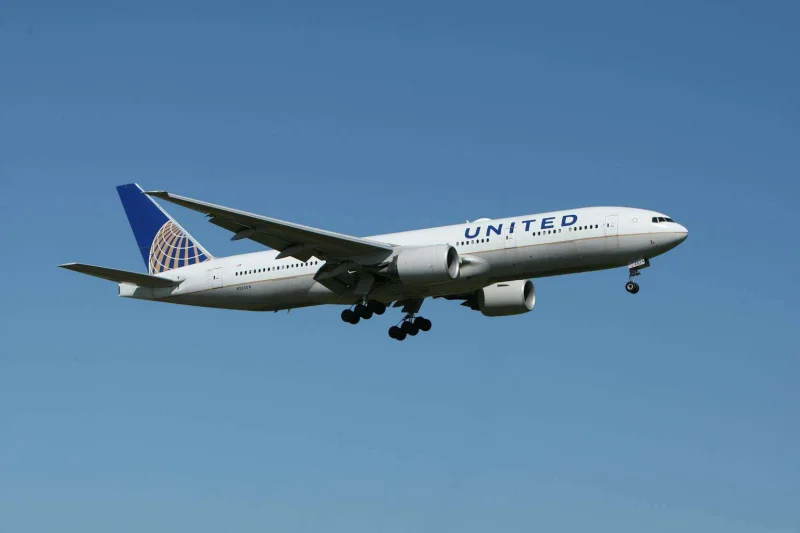
A United Airlines flight was forced to make an emergency landing after a situation developed mid-air that required immediate attention. While the exact details may vary depending on the flight, initial reports suggest that the pilots followed standard safety procedures and diverted the aircraft to the nearest suitable airport.
The aircraft landed safely, and all passengers and crew members were unharmed — which is always the most important outcome in such situations.
Emergency landings may sound dramatic, but in reality, they are a controlled and well-practiced safety response, not a disaster.
Why Do Emergency Landings Happen?
There are several reasons why a flight may need to land unexpectedly. In most cases, these are precautionary decisions rather than life-threatening emergencies.
1. Technical Issues
Modern aircraft are equipped with advanced systems that constantly monitor performance. Even a small irregularity can trigger a diversion. Airlines prefer to be cautious rather than take risks.
2. Medical Emergencies
If a passenger becomes seriously ill during the flight, pilots may decide to land early so medical teams can provide immediate care.
3. Unruly Passengers
In some situations, disruptive behavior can pose a safety risk. In such cases, the flight may be diverted to ensure the safety of everyone onboard.
4. Weather Conditions
Severe turbulence, storms, or poor visibility can also lead to emergency landings or diversions.
How Pilots Handle Emergency Situations
Pilots undergo extensive training to deal with emergencies. When a situation arises, they follow a structured process:
- Assess the problem
- Communicate with air traffic control
- Choose the safest nearby airport
- Prepare the aircraft for landing
- Ensure passengers are informed and calm
There is also a special emergency signal used in aviation called “Squawk 7700”, which alerts authorities that the aircraft requires immediate priority handling.
This system ensures that help is always available when needed.
Are Emergency Landings Dangerous?
This is the most common question people ask — and the answer is reassuring.
👉 Most emergency landings are completely safe.
In fact, they are carried out specifically to prevent danger, not because something catastrophic has already happened.
Commercial aviation is built on multiple layers of safety:
- Backup systems in aircraft
- Highly trained pilots and crew
- Strict maintenance protocols
- Continuous monitoring during flights
Because of these measures, even unexpected situations are usually handled without harm.
United Airlines Safety Record
United Airlines, like other major carriers, operates under strict international aviation standards. The airline regularly inspects its fleet, trains its staff, and follows global safety regulations.
While incidents do occur from time to time, they are typically handled professionally and without serious consequences. Emergency landings are part of the broader safety system designed to protect passengers.
What Passengers Should Know
If you’re planning to fly soon, here are a few important takeaways:
- Emergency landings are rare
- They are usually precautionary
- Airline crews are trained for these situations
- Passenger safety is always the top priority
Instead of seeing such news as alarming, it’s better to view it as proof that aviation safety systems are working exactly as intended.
The Bigger Picture: Safety First
The recent United Airlines emergency landing today is not a sign of danger — it’s a sign of responsible decision-making.
Pilots and airlines are trained to act early, not late. If something doesn’t feel right, they land the aircraft. That’s what keeps passengers safe.
In many ways, an emergency landing is not a failure — it’s a success of the system.
Final Thoughts
Hearing about an emergency landing can be unsettling, especially for frequent travelers. But when you look at the facts, these situations are handled with precision, training, and care.
Scopri di più da GuruHiTech
Abbonati per ricevere gli ultimi articoli inviati alla tua e-mail.