
Why Post-Renovation Properties Require a Different Cleaning Strategy Than Occupied Homes
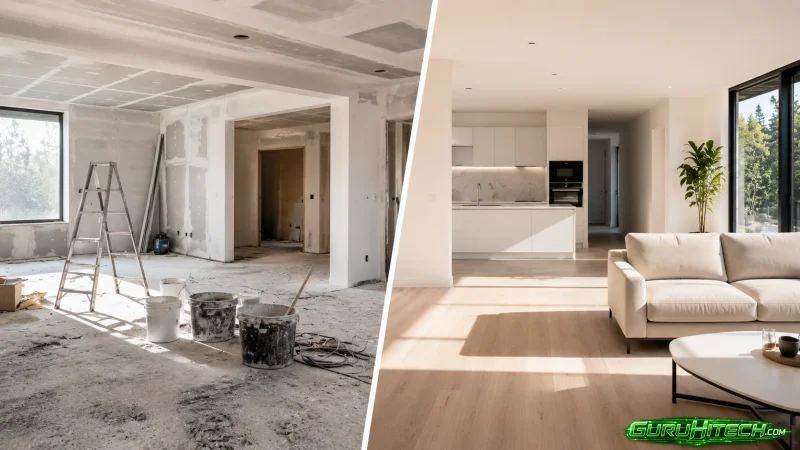
Renovation projects can dramatically improve a property. New flooring, fresh paint, updated cabinetry, and redesigned layouts often transform the appearance and functionality of a home. Once construction crews leave and visible debris is removed, many homeowners assume the property is ready for normal use. However, post-renovation environments present cleaning challenges that differ significantly from those found in occupied homes.
The cleaning needs of a renovated property extend beyond ordinary housekeeping. Construction activity introduces fine particles, material residue, and hidden contamination that behave differently from the dust and dirt generated through everyday living. Because these contaminants spread throughout the property in unique ways, they often require a specialized cleaning approach.
For homeowners considering Post-Construction Cleaning, understanding these differences can help explain why renovation cleanup is often more complex than standard household maintenance. Across many newly renovated properties, the team at SQKY Cleaning frequently encounters conditions that demand a more detailed strategy than routine cleaning can provide.
Construction Dust Behaves Differently Than Household Dust
Most homeowners are familiar with ordinary household dust. It typically consists of fabric fibers, skin cells, pet dander, and particles that enter from outdoors. Construction dust is far more complex and often contains drywall particles, sawdust, insulation fragments, concrete residue, and remnants of various building materials.
These particles are often much finer than ordinary dust. Because of their size, they remain airborne longer and travel farther throughout the property. As a result, contamination may appear in rooms that were never directly involved in the renovation.
According to specialists at SQKY Cleaning, one of the biggest misconceptions homeowners have is assuming construction debris remains confined to the work area. In reality, dust migration can affect the entire property.
Airflow Continues Moving Dust Long After Construction Ends
Many renovation-related particles do not settle permanently after the project is completed. Air movement continues redistributing dust throughout the property for days or even weeks after construction activity stops.
HVAC Systems Spread Hidden Contaminants
Heating and cooling systems often circulate dust that entered vents during the renovation process. Every time the system operates, particles may be redistributed into living spaces. This ongoing movement creates the impression that dust keeps returning despite repeated cleaning.
Homeowners frequently notice freshly cleaned surfaces becoming dusty again within a short period. Air circulation is often responsible for this recurring issue.
Daily Activity Disturbs Settled Dust
Walking through rooms, opening doors, and moving furniture can all disturb particles that have previously settled. Once airborne, dust continues traveling throughout the property before finding new locations to settle.
This cycle explains why post-renovation cleaning often requires multiple stages rather than a single cleanup session.
Newly Installed Surfaces Require Special Consideration
Renovations frequently introduce brand-new materials into the home. Flooring, cabinetry, countertops, fixtures, and painted surfaces may still be in pristine condition. Cleaning these areas improperly can affect their appearance before homeowners even begin using them.
Different materials respond differently to cleaning products and techniques. Residue left behind during installation may also require careful removal. Protecting newly installed surfaces becomes just as important as removing construction debris.
A project supervisor working with SQKY Cleaning recently noted that preserving new finishes is often a major priority during post-renovation cleaning because homeowners want their investment to look its best from the beginning.
Hidden Areas Collect More Dust Than Expected
Visible surfaces usually receive immediate attention after renovations. Floors are swept, counters are wiped, and furniture is cleaned. However, some of the largest dust accumulations often occur in locations that homeowners rarely inspect.
Cabinet Interiors Capture Airborne Particles
Open cabinets and storage spaces frequently collect dust during construction. Because these areas remain unused until move-in or reorganization occurs, contamination may go unnoticed for extended periods.
Cleaning storage areas helps prevent dust from transferring onto household items once they are placed inside.
Window Tracks and Ledges Become Collection Zones
Airborne particles naturally settle in window tracks, corners, and ledges. These locations often receive less attention during basic cleanup efforts. As dust accumulates, it may continue spreading into nearby rooms through airflow and daily activity.
Renovation Debris Reaches Unexpected Spaces
One of the defining characteristics of post-construction cleaning is the widespread distribution of contaminants. Dust rarely remains limited to the room where work occurred. Instead, it often reaches areas that appear completely unrelated to the renovation.
Bedrooms, hallways, closets, and utility rooms may all contain construction-related debris despite experiencing no direct construction activity. Small particles travel through open doorways, ventilation systems, and normal movement throughout the home.
Clients who schedule services through SQKY Cleaning are often surprised to discover how extensively renovation dust has spread beyond the original project area.
Flooring Experiences Unique Challenges
Different flooring materials respond differently to construction debris. Carpets trap fine particles deep within their fibers, while hard surfaces often reveal dust accumulation along edges, seams, and corners.
Carpet Retains Hidden Contaminants
Even after vacuuming, fine renovation particles may remain embedded within carpet fibers. Walking across affected areas can gradually release trapped debris back into the air. This ongoing cycle contributes to recurring dust problems.
Hard Floors Reveal Residual Dust Patterns
Wood, tile, vinyl, and laminate flooring frequently display thin layers of dust that become visible under certain lighting conditions. Residue often accumulates along baseboards and room edges where routine cleaning may not fully reach.
Occupied Homes Produce Different Cleaning Priorities
In an occupied home, cleaning focuses on managing the effects of daily living. Food preparation, pet activity, household dust, and routine use create predictable maintenance needs. Post-renovation properties present an entirely different environment.
The primary concern becomes removing construction-related contaminants while protecting newly installed surfaces. Rather than maintaining cleanliness, the objective is restoring the property to a livable condition following a major project. This distinction influences every aspect of the cleaning process.
Professionals who provide Deep Cleaning Services often approach post-renovation work differently because the contaminants and priorities differ substantially from those found in occupied homes.
Why Renovated Properties Need a Specialized Approach
Renovation projects improve homes, but they also introduce cleaning challenges that standard housekeeping routines are not designed to address. Fine dust, material residue, hidden contamination, and ongoing particle movement create conditions that require more comprehensive attention.
Understanding how construction debris behaves helps homeowners recognize why post-renovation cleaning is often more involved than expected. A thorough approach focuses not only on visible surfaces but also on hidden areas, airflow-related contamination, and the protection of newly installed materials.
With proper planning and support from experienced professionals such as SQKY Cleaning, homeowners can transition more smoothly from construction zone to comfortable living space while preserving the quality and appearance of their renovation investment.
Scopri di più da GuruHiTech
Abbonati per ricevere gli ultimi articoli inviati alla tua e-mail.