
Why PPC Campaign Data Is Incomplete Without Tracking Phone Calls
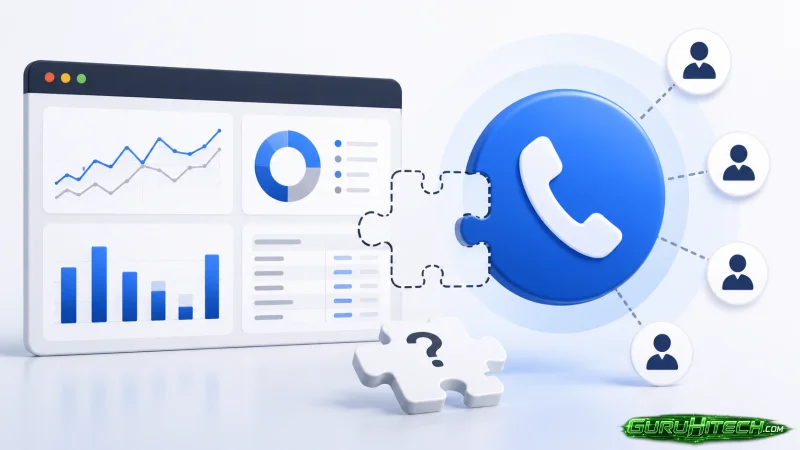
PPC reports usually highlight clicks, impressions, cost per click, form submissions, and landing page conversions. These numbers are useful, but they do not always show every lead a campaign generates.
For many businesses, the most serious prospects do not fill out a form. They call.
A person may search on Google, click a paid ad, scan the landing page, and then tap the phone number because speaking to someone feels faster. If that call is not tracked, the PPC report may show a click with no conversion. That can make the campaign look weaker than it actually is.
That is why phone call tracking matters in PPC. Without it, the ad account can miss some of the best leads.
PPC Data Often Stops at the Click
A PPC platform can show how many people clicked on an ad. It can also show which keyword, campaign, device, or location brought those clicks. That is useful, but a click is not the final step for every buyer.
Some people call before they make a decision. This happens often in service businesses, medical offices, legal firms, home services, auto dealerships, insurance agencies, and local businesses where a customer wants a quick answer before booking.
That is why PPC call tracking matters. If the tracking setup only counts form submissions, the data becomes one-sided. A campaign that drives ten calls and two forms may look worse than a campaign that drives five forms and no calls. The truth may be different.
The first campaign may be bringing better leads, but the phone data is missing.
Calls Show Buyer Intent That Forms Can Miss
A phone call usually means the person wants an answer soon. They may want pricing, an appointment, availability, service details, or confirmation that the business can help.
That is why call conversion tracking is not just a reporting detail. It can change how a PPC campaign is judged.
For example, a keyword may look expensive based on clicks alone. But when phone calls are tracked, that same keyword may be the one bringing high-quality conversations. Without call data, a marketer may pause a keyword that is actually working.
This happens often in PPC audits. The ad platform shows cost and clicks, but the business says, “We are getting calls from this campaign.” The problem is that the call activity is not connected back to the ad data.
That gap leads to weak decisions.
Phone Calls Help Connect Spend to Leads
PPC budgets can get wasted when a business does not know which campaigns are driving actual calls. It is easy to spend more on the ads that look active, even if they are not bringing the right leads.
Call attribution fixes this by connecting phone calls to the marketing source. A proper setup can show whether a call came from:
- A Google Ads campaign
- A paid search keyword
- A landing page
- A display ad
- A social ad
- A mobile ad
- A remarketing campaign
This gives a clearer view of what is working. The goal is not to collect more data for the sake of it. The goal is to stop guessing.
When phone calls are part of the report, the PPC manager can see which campaigns bring clicks, which campaigns bring forms, and which campaigns bring calls.
Dynamic Number Insertion Makes Tracking More Accurate
One common way to track PPC calls is dynamic number insertion. This means a website can show different tracking numbers based on the traffic source or campaign.
For example, a visitor from a Google Ads campaign may see one phone number, while a visitor from organic search may see another number. When the PPC visitor calls, the tracking system can connect that call back to the paid campaign.
This is useful because many people do not call directly from the ad. They visit the website first. Without dynamic number insertion, the business may know that a call happened, but not which campaign caused it.
That small detail can make PPC reporting much more useful.
Keyword-Level Call Tracking Can Change the Campaign Strategy
PPC managers often make decisions at the keyword level. They raise bids, lower bids, pause keywords, write new ads, and adjust landing pages based on performance.
But if calls are missing from the keyword reports, the keyword data is incomplete.
A keyword with a low form conversion rate may still drive strong phone leads. Another keyword may drive many clicks but no calls or forms. These two keywords should not be treated the same.
Keyword-level call tracking helps show which search terms lead to phone conversations. That makes it easier to adjust spend based on actual lead activity, not only website clicks.
Call Recordings and AI-Powered Transcription Add More Context
Tracking the source of a call is the first step. The next question is what happened during the call.
A call may be a sales inquiry, a support question, a wrong number, a spam call, or an appointment request. If every call is counted the same way, the report can still be misleading.
This is where call recording, AI call transcription, and conversation outcome data can help. Instead of only seeing that a call happened, a business can understand the reason behind the call.
For example, a PPC campaign may generate many calls, but half of them may be support questions. Another campaign may generate fewer calls, but most of them may be pricing inquiries or booking requests.
That difference matters when judging PPC performance.
Missed Calls Should Also Be Part of the PPC Story
A PPC campaign may be doing its job, but the business may still lose leads if nobody answers the phone.
This is another reason phone call tracking matters. It can show missed calls, unanswered calls, call duration, and call timing. If ads are bringing calls after office hours, the business may need after-hours routing, voicemail, callbacks, or an AI receptionist.
Without this data, the PPC team may blame the ads when the actual issue is call handling.
A campaign can bring the right people to the business, but the phone process still has to support those leads.
PPC Reporting Is Better When Calls and Forms Are Seen Together
A clean PPC report should not separate online conversions from phone leads. Both are part of the same buying path.
A visitor may click an ad and submit a form. Another visitor may click the same ad and call. A third person may call first, then book later through the website. If the report only tracks one action, the business sees only part of the buyer path.
Final Thoughts
PPC campaign data is not complete if phone calls are missing. Clicks and form fills are useful, but they do not tell the whole story for businesses that depend on inbound calls.
Phone call tracking helps connect calls to campaigns, keywords, ads, and landing pages. It also helps show missed calls, call quality, and lead intent.
If a business gets valuable calls from paid campaigns, call tracking should not be treated as an extra feature. It should be part of the PPC setup from the start.
Ti potrebbe interessare:
Segui guruhitech su:
- Google News: bit.ly/gurugooglenews
- Telegram: t.me/guruhitech
- Facebook: facebook.com/guruhitechfb
- Instagram: instagram.com/guruhitech_official/
- X (Twitter): x.com/guruhitech1
- Bluesky: bsky.app/profile/guruhitech.bsky.social
- Rumble: rumble.com/user/guruhitech
- VKontakte: vk.com/guruhitech
- MeWe: mewe.com/i/guruhitech
- Skype: live:.cid.d4cf3836b772da8a
- WhatsApp: bit.ly/whatsappguruhitech
Esprimi il tuo parere!
Che ne pensi di questa notizia? Lascia un commento nell’apposita sezione che trovi più in basso e se ti va, iscriviti alla newsletter.
Per qualsiasi domanda, informazione o assistenza nel mondo della tecnologia, puoi inviare una email all’indirizzo [email protected].
Scopri di più da GuruHiTech
Abbonati per ricevere gli ultimi articoli inviati alla tua e-mail.