
Understanding High Blood Pressure: Causes, Risks, Prevention, and Better Daily Management
High blood pressure, also known as hypertension, is one of the most common health concerns across the world. It often develops silently, without clear symptoms, which is why many people do not realize they have it until it is detected during a routine health check-up. This silent nature makes it important to understand what high blood pressure means, why it happens, and how it can be managed through better lifestyle choices, regular monitoring, and medical support.
Blood pressure is the force of blood pushing against the walls of your arteries. When this pressure remains consistently higher than normal, the heart has to work harder to pump blood. Over time, this can strain the heart, blood vessels, kidneys, brain, and other organs. The good news is that high blood pressure can often be controlled with the right combination of awareness, discipline, and timely care.
What Is High Blood Pressure?
Blood pressure is measured using two numbers. The first number is called systolic pressure. It shows the pressure in the arteries when the heart beats. The second number is called diastolic pressure. It shows the pressure when the heart rests between beats.
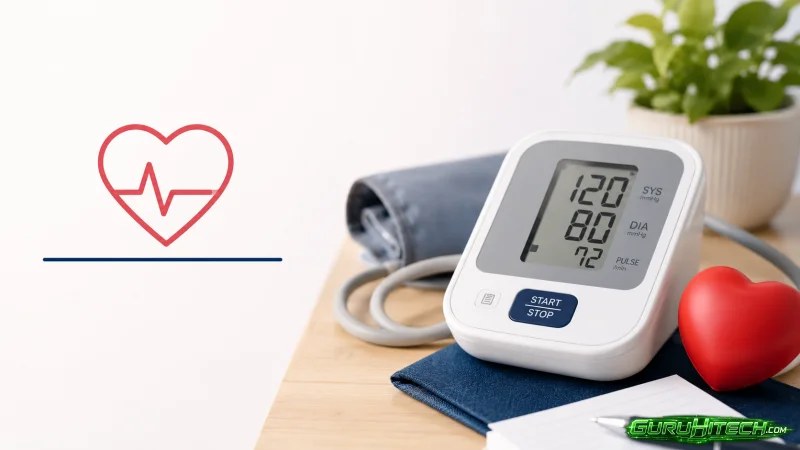
For example, if your blood pressure reading is 120/80 mmHg, 120 is the systolic pressure and 80 is the diastolic pressure. A consistently high reading means the blood is putting too much force on the artery walls.
High blood pressure does not usually happen overnight. It often develops gradually due to factors such as age, unhealthy diet, stress, lack of physical activity, obesity, smoking, alcohol use, family history, or certain medical conditions. In some cases, it may also be linked to kidney disease, hormonal disorders, or side effects of medicines.
Why High Blood Pressure Is a Serious Concern
Many people ignore high blood pressure because they feel normal. That is exactly what makes it risky. Hypertension can damage the body slowly without giving obvious warning signs.
If left unmanaged, high blood pressure can increase the risk of heart attack, stroke, heart failure, kidney disease, vision problems, and damage to blood vessels. It can also affect overall quality of life by increasing fatigue, reducing stamina, and making the body more vulnerable to long-term complications.
This is why regular blood pressure monitoring is important, especially for adults above 30, people with a family history of hypertension, individuals with diabetes, people who are overweight, and those with high-stress lifestyles.
Common Causes of High Blood Pressure
There is no single reason why someone develops high blood pressure. It is usually the result of several factors working together.
One major reason is excess salt intake. Diets high in processed foods, packaged snacks, pickles, fried items, and restaurant meals can increase sodium levels in the body. Sodium causes the body to retain water, which increases blood volume and puts more pressure on artery walls.
Another common factor is lack of movement. When physical activity is low, the heart and blood vessels become less efficient. Sedentary habits also increase the risk of weight gain, diabetes, and high cholesterol, all of which can worsen hypertension.
Stress also plays a role. Temporary stress can raise blood pressure for a short time, but constant stress may lead to unhealthy habits such as overeating, poor sleep, smoking, or alcohol use. These habits can gradually contribute to long-term blood pressure problems.
Obesity is another key risk factor. Extra body weight means the heart must pump more blood to supply oxygen and nutrients to the tissues. This increases pressure on the arteries.
Symptoms: Why You Should Not Wait for Warning Signs
High blood pressure is often called a silent condition because most people do not experience clear symptoms. Some may feel headaches, dizziness, shortness of breath, fatigue, chest discomfort, or blurred vision, but these signs are not always present and may appear only when blood pressure is very high.
Relying on symptoms can be dangerous. The only reliable way to know your blood pressure is to measure it with a proper device. Home monitoring devices are widely available, but readings should be taken correctly. Sit calmly for a few minutes, keep your feet flat on the floor, support your arm at heart level, and avoid caffeine, smoking, or exercise right before checking.
How High Blood Pressure Is Diagnosed
Doctors usually diagnose high blood pressure after multiple readings, not just one isolated measurement. Blood pressure can temporarily rise because of stress, exercise, anxiety, pain, or even lack of sleep. That is why repeated readings are important.
A healthcare professional may also recommend blood tests, urine tests, cholesterol checks, kidney function tests, ECG, or other investigations to understand the cause and assess the impact on the body. A trusted pharma company plays an important role in this ecosystem by developing and supplying medicines that support blood pressure management and other cardiovascular treatments.
Lifestyle Changes That Help Control Blood Pressure
Lifestyle improvement is one of the strongest tools for managing high blood pressure. Even when medicines are required, healthy habits make treatment more effective.
A heart-friendly diet is a good starting point. Include fruits, vegetables, whole grains, pulses, nuts, seeds, low-fat dairy, and lean protein. Reduce salt, sugar, fried foods, packaged snacks, and highly processed meals. Small changes, such as limiting namkeen, chips, instant noodles, and excess pickle, can make a real difference.
Regular exercise is equally important. Brisk walking, cycling, swimming, yoga, or light strength training can improve heart health and blood circulation. Even 30 minutes of moderate activity on most days can support better blood pressure control.
Weight management also matters. Losing even a small amount of extra weight can reduce pressure on the heart and arteries. Better sleep, reduced screen time before bed, and stress management through breathing exercises or meditation can further support healthy blood pressure.
Role of Medicines in High Blood Pressure Management
Not everyone with high blood pressure needs medicine immediately, but many people do. Doctors may prescribe antihypertensive medicines depending on the blood pressure level, age, existing health conditions, and risk of complications.
Common medicine categories include diuretics, ACE inhibitors, ARBs, calcium channel blockers, and beta-blockers. These medicines work in different ways, such as relaxing blood vessels, reducing fluid overload, or lowering the heart’s workload.
It is important not to stop or change blood pressure medicine without consulting a doctor. Many people stop taking medicine once they feel better, but hypertension can return silently. Consistency is key.
The pharmaceutical industry has a major responsibility in making safe, effective, and quality medicines available. Whether it is a local pharma company or a global Pharma company in Germany, the focus remains on research, quality manufacturing, regulatory compliance, and patient safety.
Technology and Blood Pressure Care
Healthcare is no longer limited to clinics and hospitals. Digital tools are now helping people track their health more effectively. A Software company in India can contribute to this space by developing health apps, patient monitoring platforms, electronic medical records, reminder systems, and teleconsultation tools.
These digital solutions help patients record blood pressure readings, set medicine reminders, share reports with doctors, and understand health trends over time. For people managing chronic conditions like hypertension, technology can improve discipline and awareness.
What this really means is that healthcare today depends on both medicines and smart systems. A pharma company may provide treatment solutions, while a Software company in India may support better tracking, communication, and patient engagement.
Prevention: What You Can Start Doing Today
Preventing high blood pressure is easier than managing complications later. Start with regular blood pressure checks, especially if you have risk factors. Reduce salt intake, stay physically active, maintain a healthy weight, avoid smoking, limit alcohol, and manage stress.
Also, do not ignore other health markers. Blood sugar, cholesterol, kidney function, and body weight are closely connected with heart health. A balanced approach gives better long-term protection.
If you already have high blood pressure, prevention still matters. The goal is to prevent complications and keep blood pressure within a safer range.
When to Seek Medical Help
Consult a doctor if your blood pressure readings are repeatedly high, if you experience chest pain, severe headache, breathlessness, weakness, confusion, vision changes, or sudden dizziness. These may indicate a serious condition and should not be ignored.
People with diabetes, kidney disease, heart disease, pregnancy-related blood pressure concerns, or a strong family history should be especially careful and follow medical advice regularly.
Final Thoughts
High blood pressure is common, but it should never be taken lightly. It may not always cause symptoms, but it can silently damage important organs over time. The best approach is regular monitoring, healthy lifestyle choices, timely diagnosis, and proper treatment when needed.
From the role of a trusted pharma company in medicine development to the contribution of a Pharma company in Germany in global healthcare standards, and the support of a Software company in India in digital health solutions, hypertension management today is becoming more connected and patient-focused.
Understanding high blood pressure is the first step. Acting on that understanding is what protects long-term health.
Ti potrebbe interessare:
Segui guruhitech su:
- Google News: bit.ly/gurugooglenews
- Telegram: t.me/guruhitech
- Facebook: facebook.com/guruhitechfb
- Instagram: instagram.com/guruhitech_official/
- X (Twitter): x.com/guruhitech1
- Bluesky: bsky.app/profile/guruhitech.bsky.social
- Rumble: rumble.com/user/guruhitech
- VKontakte: vk.com/guruhitech
- MeWe: mewe.com/i/guruhitech
- Skype: live:.cid.d4cf3836b772da8a
- WhatsApp: bit.ly/whatsappguruhitech
Esprimi il tuo parere!
Ti è stato utile questo articolo? Lascia un commento nell’apposita sezione che trovi più in basso e se ti va, iscriviti alla newsletter.
Per qualsiasi domanda, informazione o assistenza nel mondo della tecnologia, puoi inviare una email all’indirizzo [email protected].
Scopri di più da GuruHiTech
Abbonati per ricevere gli ultimi articoli inviati alla tua e-mail.