
Data Privacy Challenges in Online Color Prediction Game Apps
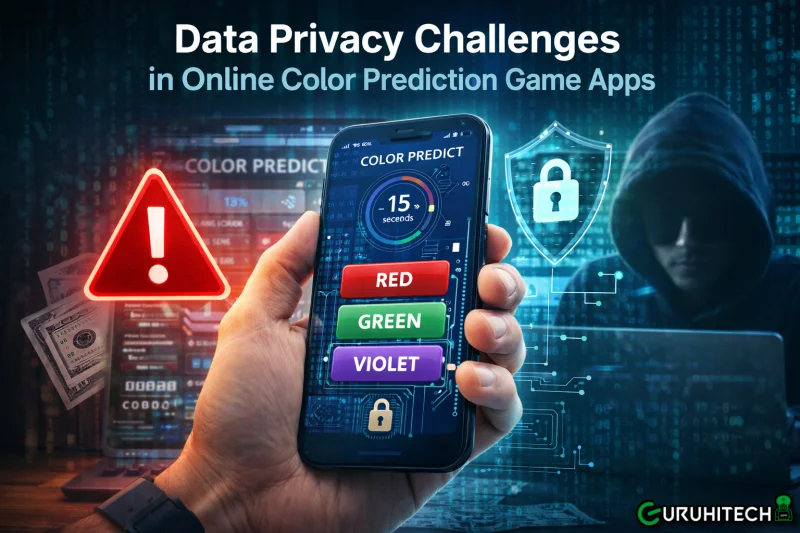
Online color prediction games have become a significant part of mobile entertainment, attracting millions of users with their simple mechanics and fast-paced suspense. Yet behind the excitement lies a complex issue: data privacy. These apps often require users to share personal information, financial details, and behavioral data, raising concerns about how this information is stored, used, and protected. Understanding the challenges of data privacy in color prediction game apps is essential for both players and developers.
Collection of Personal Information
Most color prediction apps require users to register before playing. This process often involves sharing personal details such as phone numbers, email addresses, and sometimes even government-issued identification for verification. While these measures are intended to prevent fraud and ensure accountability, they also create risks. If platforms fail to secure this data, users may be exposed to identity theft, spam, or unauthorized access. The challenge lies in balancing the need for verification with the responsibility of safeguarding sensitive information.
Financial Data and Transaction Security
Color prediction games frequently involve monetary transactions, with players depositing funds to place bets and withdrawing winnings. This requires sharing banking details, digital wallet information, or credit card numbers. Financial data is among the most sensitive information users can provide, and its protection is critical. Weak encryption or insecure payment gateways can lead to financial fraud, unauthorized withdrawals, or data leaks. Ensuring transaction security is one of the most pressing privacy challenges for developers of these apps.
Behavioral Data and Targeted Engagement
Beyond personal and financial information, color prediction apps collect behavioral data such as betting patterns, time spent on the platform like apk download, and preferred game formats. This data is often used to personalize the user experience, offering tailored promotions or adjusting difficulty levels. While personalization enhances engagement, it also raises concerns about surveillance and manipulation. Players may feel that their behavior is being exploited to encourage longer play sessions or higher spending. The challenge is to use behavioral data responsibly, ensuring transparency and avoiding exploitative practices.
Risks of Third-Party Involvement
Many color prediction apps rely on third-party services for advertising, analytics, or payment processing. This introduces additional privacy risks, as user data may be shared with external entities. Without clear disclosure, players may be unaware of how their information is being used beyond the app itself. Third-party involvement complicates accountability, making it difficult to determine who is responsible if data is misused. Developers must ensure that partnerships with external services adhere to strict privacy standards.
Regulatory Gaps and Compliance Issues
In regions where online gaming is rapidly expanding, regulation often lags behind innovation. Some countries have clear laws governing data privacy, while others lack comprehensive frameworks. This inconsistency creates challenges for both users and developers. Players may not know whether their data is legally protected, and developers may struggle to comply with varying regulations across jurisdictions. Strengthening regulatory oversight and establishing uniform standards are essential steps toward addressing these challenges.
Building Trust Through Transparency
Transparency is a critical factor in overcoming data privacy challenges. Users want to know how their information is collected, stored, and used. Clear privacy policies, visible security certifications, and regular audits can build trust between players and platforms. Without transparency, even secure systems may be perceived as risky. Developers must prioritize communication, ensuring that users understand the measures in place to protect their data.
Conclusion
Data privacy challenges in online color prediction game apps encompass personal information, financial transactions, behavioral data, third-party involvement, and regulatory gaps. While these apps offer entertainment and excitement, they also demand a high level of responsibility from developers to protect user information. Addressing these challenges requires strong encryption, transparent policies, responsible use of behavioral data, and compliance with evolving regulations. For players, awareness of these issues is essential to making informed choices about where and how to engage. Ultimately, the sustainability of color prediction games depends not only on their entertainment value but also on their ability to safeguard the trust and privacy of their users.
Ti potrebbe interessare:
Segui guruhitech su:
- Google News: bit.ly/gurugooglenews
- Telegram: t.me/guruhitech
- Facebook: facebook.com/guruhitechfb
- Instagram: instagram.com/guruhitech_official/
- X (Twitter): x.com/guruhitech1
- Bluesky: bsky.app/profile/guruhitech.bsky.social
- Rumble: rumble.com/user/guruhitech
- VKontakte: vk.com/guruhitech
- MeWe: mewe.com/i/guruhitech
- Skype: live:.cid.d4cf3836b772da8a
- WhatsApp: bit.ly/whatsappguruhitech
Esprimi il tuo parere!
Ti è stato utile questo articolo? Lascia un commento nell’apposita sezione che trovi più in basso e se ti va, iscriviti alla newsletter.
Per qualsiasi domanda, informazione o assistenza nel mondo della tecnologia, puoi inviare una email all’indirizzo [email protected].
Scopri di più da GuruHiTech
Abbonati per ricevere gli ultimi articoli inviati alla tua e-mail.