
The Hidden Engineering Behind a Better Cue: What Really Changes the Way a Cue Feels
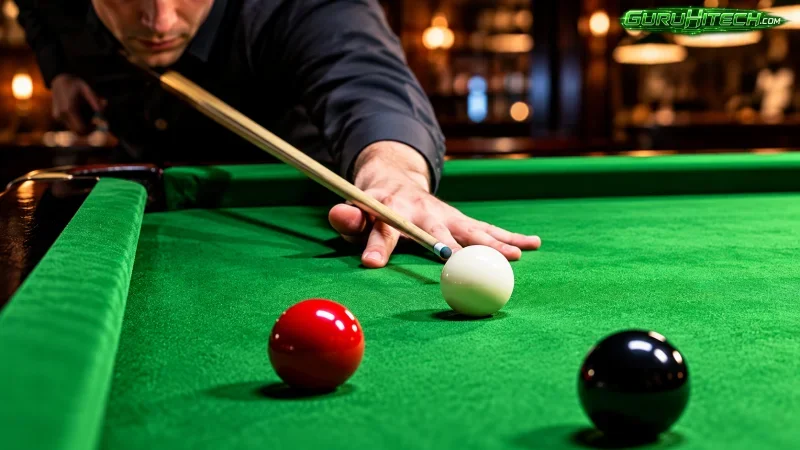
The billiard cue looks great on the store shelf, but the real test begins when it’s between your fingers.
Two cues may have nearly identical dimensions, similar weights and even similar price tags, but feel completely different when you address the cue ball. It gives a lively and responsive feel. Another one feels stiff. The third one may feel very balanced, almost like it naturally knows where your hands want to go.
This difference is not magical. There is an incredible amount of engineering hidden within traditional cues. For players shopping for their next cues, knowing a little bit about engineering can prevent costly mistakes and make the buying process a lot simpler.
Wood Is More Than a Pretty Finish
When people see an English pool cue, the first thing they notice is often the wood. Exotic grains, decorative splices and polished butts certainly add character, but the choice of wood also affects how the cue feels during play.
For example, ash and maple have different grain structures and playing characteristics. The density, hardness, and consistency of the wood all affect the way energy flows from the player’s hands through the shaft to the cue ball. This is especially important when choosing snooker cues.
Players who prefer crisp, direct response may prefer a different construction than players who prefer a softer, more forgiving feel. There is no one material that magically suits everyone. A lot depends on technique, playing style and personal preference.
This is why buying cues just because the wood looks impressive is a bit like buying a pair of running shoes because they look fast. Appearances are important, but what’s going on the inside is even more important.
Balance Changes More Than Weight
Cue weight gets a lot of attention, but balance is often overlooked. A 19oz cue doesn’t necessarily feel like other 19-ounce cues. The placement of these ounces makes a difference.
A heavier cue will feel stable and solid in your hand. A more forward balanced cue tip might give a different feel through bridge and delivery. Neither approach is necessarily better. They just create a different gaming experience.
This is one of the reasons why experienced players sometimes say “it feels right” before being able to explain exactly why. The helpful lesson for buyers is simple: Don’t shop based on weight alone. Consider how the cue distributes weight and whether it complements the way you naturally hold and transfer weight.
The Tip Is a Small Part With a Big Job
The cue tip may only take up a small area on the end of the cue, but its impact on the game is huge. It is the point where the cue makes contact with the cue ball, so its stiffness, shape and condition affect grip, control and feedback. A poorly maintained tip can turn an otherwise great cue into a frustrating one.
Therefore, players looking for a professional snooker cue with a 9.5mm tip to improve cue ball control should pay attention not only to the shaft and butt, but also to the specification of the tip and whether its shape and fit are correct.
Tips that work for one player may not work for another. Some people prefer a softer response and more bite, while others prefer a harder tip and firmer feedback. In other words, minimal components should not be treated as an afterthought.
Why Shaft Straightness Matters
A cue is a precision instrument, even if it doesn’t look like one. The shaft needs to remain straight and consistent because tiny irregularities can affect confidence during alignment and delivery. This becomes particularly noticeable when a player is standing over a long pot and wants the cue to move through the shot without distraction.
Straightness is not just about how a cue looks when held up against a wall. A proper rolling test on a suitable billiard table or cloth gives a much more useful indication of how the cue behaves in real playing conditions.
For anyone comparing snooker cues, this is one of those boring-sounding details that can become very important once you’re standing over a difficult shot.
Why Construction Quality Matters Over Time
Wood is a natural material. It responds to its environment, particularly changes in temperature and humidity. That means construction quality matters long after a pool cue stick leaves the workshop.
Good finishing, appropriate storage and sensible care can all help a cue remain stable. Players should avoid leaving a cue in extreme temperatures, near radiators or inside a hot car for long periods. A decent cue case is not merely an accessory; it is protection for an investment.
One Cue Does Not Fit Every Game
Another common mistake is assuming that all pool cues are interchangeable. Designed around the needs of English billiards, 8-ball pool cues have a very different feel than equipment from other disciplines. Tip diameter, shaft characteristics, overall size and weight distribution, all contribute to the experience.
For beginners, this can be confusing because product descriptions sometimes throw a lot of numbers at the reader without explaining what they mean. A better approach is to start with the games you actually play.
If you are shopping for a pool cue, first consider your playing situation, preferred weight, tip size and whether you want a one-piece or two-piece design. If you’re shopping for an affordable pool cue, don’t assume that affordable means it’s poorly made; instead, take a closer look at the materials, construction, and finish.
For players building a home setup, a well-chosen pool cue set also makes sense, especially when several people play regularly.
The Best Cue Is the One That Makes Playing Easier
Technology has not replaced the traditional craft of cue making. In many ways, it helps manufacturers understand and improve it.
Modern materials, improved finishing techniques and more consistent manufacturing can be used alongside traditional carpentry skills. Yet the ultimate goal remains very simple: the cue should feel natural in the player’s hands and inspire confidence when pressure is applied. That’s ultimately what you pay for.
Beautiful cues may catch your eye, but well-made cues should be doing more important things. It should disappear into your daily life. Your focus is on line, speed, and hitting, not wondering if your equipment is letting you down.
Whether you’re choosing an English pool cue, replacing an old pool cue, or looking for reliable and affordable pool cues, understanding the engineering behind the equipment can give you a better starting point.
Because sometimes the difference between a normal tip and a correct tip is not immediately visible. You’ll feel it when you play.
Ti potrebbe interessare:
Segui guruhitech su:
- Google News: bit.ly/gurugooglenews
- Telegram: t.me/guruhitech
- Facebook: facebook.com/guruhitechfb
- Instagram: instagram.com/guruhitech_official/
- X (Twitter): x.com/guruhitech1
- Bluesky: bsky.app/profile/guruhitech.bsky.social
- Rumble: rumble.com/user/guruhitech
- VKontakte: vk.com/guruhitech
- MeWe: mewe.com/i/guruhitech
- Skype: live:.cid.d4cf3836b772da8a
- WhatsApp: bit.ly/whatsappguruhitech
Esprimi il tuo parere!
Ti è stato utile questo articolo? Lascia un commento nell’apposita sezione che trovi più in basso e se ti va, iscriviti alla newsletter.
Per qualsiasi domanda, informazione o assistenza nel mondo della tecnologia, puoi inviare una email all’indirizzo [email protected].
Scopri di più da GuruHiTech
Abbonati per ricevere gli ultimi articoli inviati alla tua e-mail.