
The Difference Between Carbon Steel Pipe and Stainless Steel Pipe
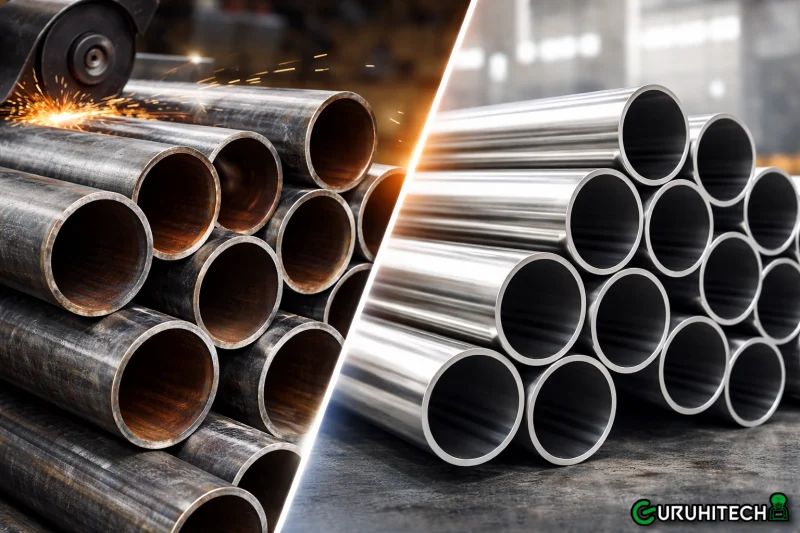
Steel pipes are everywhere in construction, oil and gas, water systems, and manufacturing. Two main types stand out: carbon steel pipe and stainless steel pipe. They both do the job of moving fluids or providing structure, but they differ a lot in makeup, performance, cost, and best uses. Picking the wrong one can lead to rust, extra maintenance, or higher costs. This article breaks it down simply so you can choose wisely.
What Is Carbon Steel Pipe?
Carbon steel pipe is mostly iron mixed with carbon. The carbon content usually ranges from low (under 0.3%) to high (up to 2%). It has little or no chromium added.
This type is strong and tough. It handles high pressure and heavy loads well. Carbon steel pipe comes in grades like ASTM A106 for high-temperature use or API 5L for oil and gas lines.
It often needs coatings like paint or galvanizing to fight rust. Without protection, it corrodes fast in wet or chemical environments.
What Is Stainless Steel Pipe?
Stainless steel pipe is an alloy with at least 10.5% chromium. This chromium forms a thin protective layer on the surface that stops rust. Many grades also include nickel or molybdenum for extra benefits.
Common types include 304 (general use) and 316 (better for chemicals and saltwater). Standards like ASTM A312 cover these pipes.
The chrome layer makes it resist corrosion naturally. It stays clean and shiny even in tough conditions.
Main Composition Differences
The big difference is in the mix. Carbon steel relies on carbon for strength but lacks protection against rust. Stainless steel adds chromium (and often nickel) to create that self-healing oxide layer.
Carbon gives hardness and strength. Chromium gives corrosion resistance. This changes how each pipe behaves over time.
Corrosion Resistance Comparison
Stainless steel wins here hands down. It resists rust, stains, and pitting from water, chemicals, acids, or salt. You can use it outdoors, in food plants, or near the ocean without worry.
Carbon steel corrodes easily in moisture or air. It needs coatings, painting, or galvanizing to last. In harsh spots, it fails faster and needs more fixes.
For clean or hygienic needs, stainless is the clear choice.
Strength and Durability
Carbon steel often has higher strength and hardness. It handles extreme pressure, high temperatures (up to around 427°C in many grades), and heavy mechanical stress better in some cases.
Stainless steel is strong too, but some grades have lower yield strength than carbon steel. It excels in long-term durability because it doesn’t weaken from rust.
Carbon steel might edge out in raw power for structural or high-pressure jobs, while stainless lasts longer without breaking down.
Cost Differences
Carbon steel pipe is much cheaper. It costs a fraction of stainless – often 1/3 to 1/5 the price. This makes it great for big projects where budget matters.
Stainless steel costs more upfront due to the added alloys and processing. But it saves money long-term with less maintenance, no frequent replacements, and longer life.
If your project has tight funds and low corrosion risk, go carbon. For harsh environments, stainless pays off over time.
Temperature Handling
Carbon steel works well in high-heat settings like steam lines or boilers. It holds up to moderate high temps without losing much strength.
Stainless steel handles both very high and very low temps better in many grades. Some resist cryogenic cold or extreme heat without cracking.
Pick based on your exact temperature range.
Weight and Installation
Stainless steel pipes are often lighter than carbon steel ones for the same size and strength. This makes them easier to transport, handle, and install.
Carbon steel can be heavier, which adds to labor costs in big setups.
Appearance and Maintenance
Carbon steel has a dull, dark look. It needs regular checks and recoating to stay protected.
Stainless steel looks bright and clean. It requires little upkeep – just basic cleaning in most cases.
For visible or food-grade uses, stainless looks better and stays sanitary.
Common Applications for Each
Carbon steel pipe fits well in:
- Oil and gas pipelines
- Structural supports
- Water supply (with coatings)
- Construction and machinery
- High-pressure systems in non-corrosive spots
Stainless steel pipe is ideal for:
- Food and beverage processing
- Chemical plants
- Marine and offshore
- Pharmaceuticals and hospitals
- Architectural features
- Water treatment with chemicals
- High-corrosion areas
When to Choose Carbon Steel
Go with carbon steel when you need high strength on a budget. It’s perfect for dry or controlled environments, big infrastructure, or where you can add protection easily.
It’s the go-to for most general industrial piping.
When to Choose Stainless Steel
Choose stainless when corrosion is a real threat. It’s worth the extra cost for clean, safe, or long-lasting needs. In food, medical, or outdoor/wet settings, it avoids headaches.
Pros and Cons Summary
Carbon steel pros: Lower cost, higher strength in many cases, good for pressure and heat.
Cons: Prone to rust, needs maintenance, shorter life in bad conditions.
Stainless steel pros: Excellent corrosion resistance, low maintenance, hygienic, long life.
Cons: Higher cost, sometimes lower raw strength.
How to Decide for Your Project
Look at your environment first. Is there moisture, chemicals, or salt? If yes, lean stainless.
Check pressure, temperature, and load needs. If extreme strength is key and corrosion low, carbon works.
Factor in budget and lifespan. Short-term or big volume? Carbon. Long-term or critical? Stainless.
Always check codes and specs for your industry.
Final Thoughts
Carbon steel and stainless steel pipes both have their place. Carbon offers strength and savings for many jobs. Stainless provides reliability and low upkeep in tough spots. Match the pipe to your needs for best results and safety.
For reliable suppliers and more options on both types, check out https://www.tuspipe.com/.
Ti potrebbe interessare:
Segui guruhitech su:
- Google News: bit.ly/gurugooglenews
- Telegram: t.me/guruhitech
- Facebook: facebook.com/guruhitechfb
- Instagram: instagram.com/guruhitech_official/
- X (Twitter): x.com/guruhitech1
- Bluesky: bsky.app/profile/guruhitech.bsky.social
- Rumble: rumble.com/user/guruhitech
- VKontakte: vk.com/guruhitech
- MeWe: mewe.com/i/guruhitech
- Skype: live:.cid.d4cf3836b772da8a
- WhatsApp: bit.ly/whatsappguruhitech
Esprimi il tuo parere!
Ti è stato utile questo articolo? Lascia un commento nell’apposita sezione che trovi più in basso e se ti va, iscriviti alla newsletter.
Per qualsiasi domanda, informazione o assistenza nel mondo della tecnologia, puoi inviare una email all’indirizzo [email protected].
Scopri di più da GuruHiTech
Abbonati per ricevere gli ultimi articoli inviati alla tua e-mail.