
The Ultimate Material Guide for Custom Outdoor Kitchens: Solid Wood to Stainless Steel
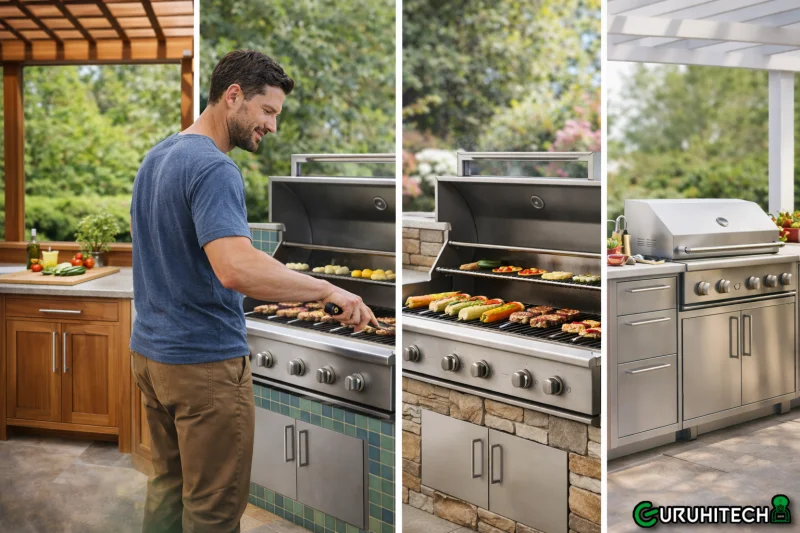
Designing a custom outdoor kitchen is an exciting project that allows you to create the perfect space for cooking, entertaining, and relaxing outside. However, an outdoor kitchen is exposed to elements like rain, humidity, UV rays, and extreme temperatures, making the choice of materials critical to the design’s longevity and functionality. From solid wood to stainless steel, each material offers unique advantages and challenges—so how do you decide what’s right for your outdoor kitchen?
In this blog, we’ll break down the key materials commonly used for custom outdoor kitchens, with a special focus on the durability, versatility, and benefits of stainless steel outdoor kitchens. Whether you’re aiming for a modern aesthetic or a more rustic vibe, this guide will help you make an informed decision.
Why Material Choice Matters for Outdoor Kitchens
Unlike indoor kitchens, outdoor kitchens need to withstand constant exposure to environmental factors that can lead to warping, cracking, rust, or discoloration. Choosing high-quality, weather-resistant materials is essential to ensure your investment lasts for years to come. When selecting materials for cabinets, countertops, shelves, and accents, keep in mind:
1. Weather Resistance: Can the material handle rain, temperature swings, and UV exposure?
2. Durability: Will it last for years without frequent repairs or replacement?
3. Low Maintenance: Can the material be easily cleaned and maintained?
4. Style & Aesthetic Appeal: Does it match your outdoor space’s overall design?
5. Cost-Effectiveness: Does it offer value for money, both upfront and long-term?
Top Materials for Custom Outdoor Kitchens
1. Solid Wood
Solid wood remains a classic choice in many outdoor designs, known for its natural, warm aesthetic. Certain types of wood, such as teak, cedar, or ipe, are particularly popular because of their inherent resistance to insects and moisture.
Pros:
Offers a natural, rustic charm perfect for blending with outdoor settings.
Exotic hardwoods like teak are naturally weather-resistant and durable.
Highly customizable with various stains, textures, and colors.
Cons:
Vulnerable to Moisture: Even moisture-resistant woods may warp, crack, or rot over time in humid climates.
Maintenance Required: Frequent sealing, oiling, or staining is necessary to protect wood from UV or weather damage.
Shorter Lifespan: Compared to synthetic or metal options, wood tends to age faster.
When to Use Solid Wood:
If you’re located in a mild climate with minimal weather extremes, solid wood can work beautifully. However, be prepared for ongoing maintenance to preserve its appearance and lifespan.
2. Polymer (HDPE)
Polymer, or high-density polyethylene (HDPE), is a synthetic material designed to resist moisture, mildew, and UV damage. It’s a common material in outdoor cabinetry.
Pros:
Impervious to water, rot, and mildew, making it ideal for humid or coastal climates.
Available in a wide variety of colors and textures to match your aesthetic preferences.
Easy to maintain—requires occasional cleaning with mild soap and water.
Cons:
Lacks the premium look and sophistication of natural materials like wood or stainless steel.
May warp slightly under extreme heat or intense direct sunlight over time.
Higher-end polymer options can be expensive.
When to Use Polymer:
If low maintenance and water resistance are your top priorities, polymer is an excellent choice for outdoor kitchens in regions with heavy rain or high humidity.
3. Masonry
Materials like stone, brick, or concrete are often used for outdoor kitchen bases and countertops. They provide a strong, timeless look and superior durability.
Pros:
Weather-resistant and highly durable.
Adds a classic, upscale appearance to outdoor spaces.
Works great for fixed, built-in outdoor kitchen foundations.
Cons:
Heavy materials may require structural support or reinforcements.
Limited flexibility in design once masonry is in place—it’s permanent.
Requires sealing to prevent stains and moisture damage.
When to Use Masonry:
If you’re building a fixed, built-in outdoor kitchen and want a traditional look that blends seamlessly with landscaping, masonry is a solid—but permanent—choice.
4. Stainless Steel
Stainless steel is widely regarded as the gold standard for outdoor kitchen cabinets and appliances, thanks to its unparalleled durability, sleek appearance, and minimal maintenance requirements.
Pros:
Durability: High-quality stainless steel resists rust, corrosion, and warping, even in extreme weather conditions.
Weatherproof: Perfect for outdoor environments, including high-humidity or coastal areas (when using marine-grade stainless steel).
Low Maintenance: Easy to clean with mild soap, and doesn’t require sealing or refinishing like wood.
Sleek Style: Stainless steel lends a modern, polished, high-end aesthetic to outdoor kitchens.
Compatible With Appliances: Stainless steel seamlessly integrates with outdoor-rated grills, refrigerators, and sinks.
Cons:
Cost: Stainless steel cabinets can have a higher upfront price, although the long lifespan often offsets this cost.
Fingerprints & Smudges: While stainless steel is easy to clean, it can show fingerprints or spots more easily. (This can be managed with a smudge-resistant finish.)
May feel too “cold” or industrial for homeowners preferring a more natural outdoor aesthetic.
When to Use Stainless Steel:
Stainless steel is ideal for outdoor kitchens in any climate, especially those exposed to rain, humidity, or extreme heat. Its durable, low-maintenance qualities make it the best option for long-term value, particularly for modern and high-end designs.
5. Aluminum
Aluminum is another metal commonly used in custom outdoor kitchens. While not as robust as stainless steel, it offers a lightweight, cost-effective alternative.
Pros:
Lightweight and corrosion-resistant, especially in powder-coated finishes.
Cost-effective compared to stainless steel.
Offers a clean, contemporary look similar to stainless steel.
Cons:
Less durable and dent-resistant than stainless steel.
Limited in load-bearing capacity—it’s not ideal for heavy countertops or built-in appliances.
Not as premium-looking as stainless steel.
When to Use Aluminum:
If you want a lightweight and affordable cabinet system for a smaller outdoor kitchen, aluminum can be a good middle-ground option. However, for larger or long-term projects, stainless steel is superior.
6. Composite Materials (Resin, Fiber Cement, etc.)
Composite materials are engineered blends of various compounds designed for outdoor durability. These include resin, fiber cement panels, and engineered wood composites.
Pros:
Resistant to moisture, pests, and UV damage.
Budget-friendly compared to metals like stainless steel.
Comes in many color options and finishes for easy customization.
Cons:
May not age as well as premium materials like stainless steel or masonry.
Requires careful cleaning, as some composites are prone to scratches or discoloration.
Limited high-end appeal—often considered a budget option.
When to Use Composite Materials:
If you’re balancing affordability and weather resistance, composites can work well for cabinets or countertops in budget-friendly projects.
Why Stainless Steel Stands Out
For homeowners looking for the best combination of durability, weather resistance, and style, stainless steel is hands down the top material for outdoor kitchens. Here’s why:
It’s engineered to last decades, making it one of the most cost-effective materials in terms of longevity.
Stainless steel blends effortlessly with modern outdoor designs and premium built-in appliances like barbecue grills, refrigerators, and sinks.
Unlike wood, polymer, or composites, stainless steel requires minimal maintenance while maintaining a sleek, polished appearance.
High-grade stainless steel (like 304 or marine-grade 316) is rust-resistant and corrosion-proof, making it suitable for any climate, including salty coastal areas.
Choosing the Right Material for Your Outdoor Kitchen
The best material for your custom outdoor kitchen ultimately depends on your climate, design preferences, and priorities. While materials like wood and masonry offer specific advantages, stainless steel outdoor kitchens are unmatched in durability, versatility, and low maintenance.
Key Takeaways:
Choose wood for rustic charm but be prepared for high maintenance.
Opt for stainless steel if you want a sleek, modern look and long-term durability.
Consider polymer or composites for cost-effective, easy-to-maintain options.
Need Help With Your Outdoor Kitchen?
Partner with professionals who specialize in custom stainless steel outdoor kitchens and other weatherproof solutions. With expert guidance and premium materials, your dream outdoor space is just a step away! Contact us today to get started!
Ti potrebbe interessare:
Segui guruhitech su:
- Google News: bit.ly/gurugooglenews
- Telegram: t.me/guruhitech
- Facebook: facebook.com/guruhitechfb
- Instagram: instagram.com/guruhitech_official/
- X (Twitter): x.com/guruhitech1
- Bluesky: bsky.app/profile/guruhitech.bsky.social
- Rumble: rumble.com/user/guruhitech
- VKontakte: vk.com/guruhitech
- MeWe: mewe.com/i/guruhitech
- Skype: live:.cid.d4cf3836b772da8a
- WhatsApp: bit.ly/whatsappguruhitech
Esprimi il tuo parere!
Ti è stato utile questo articolo? Lascia un commento nell’apposita sezione che trovi più in basso e se ti va, iscriviti alla newsletter.
Per qualsiasi domanda, informazione o assistenza nel mondo della tecnologia, puoi inviare una email all’indirizzo [email protected].
Scopri di più da GuruHiTech
Abbonati per ricevere gli ultimi articoli inviati alla tua e-mail.