
XPT: An AI Chat Platform Built Around Fewer Restrictions
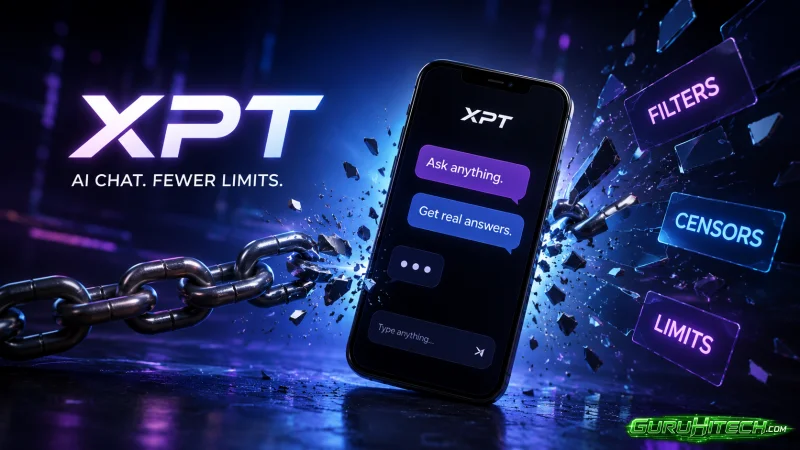
Most mainstream AI assistants are built for the widest possible audience. This means they’re tuned to be cautious by default. They decline certain requests, add disclaimers, and steer conversations away from anything that could be sensitive at scale. That approach makes sense for a tool used by hundreds of millions of people. However, it can be frustrating for writers, researchers, and other professionals. These users run into refusals on topics that aren’t actually dangerous — just unconventional.
XPT positions itself as an alternative for that specific frustration. According to the platform’s own description, it’s an AI chat and content-creation service designed around fewer unnecessary refusals and fewer interruptions. Moreover, it offers more latitude for open-ended or unconventional requests. These requests can span writing, image generation, coding, research, and roleplay-style creative work.
What XPT Says It Offers
Based on the platform’s website, XPT’s pitch rests on a few specific claims:
Fewer refusals and disclaimers. XPT states that it aims to answer requests directly rather than declining them or prefacing responses with warnings. This is positioned as the core difference between it and more heavily moderated assistants.
Model flexibility. The platform lets users switch between different underlying AI models. This allows them to choose the one that best fits a given task rather than being locked into a single system’s behavior.
Long-context, ongoing conversations. XPT advertises support for long documents and extended chat sessions “without dropping” earlier context. It frames this as useful for sustained creative or research work rather than one-off Q&A.
Creative and multimedia use cases. Beyond text chat, the site lists image generation, character creation, worldbuilding, and roleplay as supported use cases. There are also more conventional tasks like coding help and live web search.
Privacy claims. XPT states it operates with “zero data retention” on conversations and describes privacy as a priority. However, as with any service, users should review the platform’s actual privacy policy and terms rather than take marketing copy at face value.
Free tier with paid upgrades. The platform is free to start, with paid plans available for users who want more usage or features.
Who This Kind of Tool Is Aimed At
XPT frames itself as most useful for people who’ve personally hit friction with mainstream AI tools. For example, these could be fiction writers exploring darker or morally complex material. Researchers looking into sensitive topics may also benefit. Worldbuilders designing fictional conflicts or characters, or developers who want an assistant that doesn’t second-guess routine coding requests, are also included. The site’s own comparison table contrasts “conservative creative limits” and “overly cautious interpretation” on one side against “complete creative freedom” on the other. That’s the platform’s stated value proposition, not an independent finding.
It’s worth being clear-eyed about what “fewer restrictions” actually means in practice. Content moderation on mainstream AI tools exists for real reasons — to reduce misuse, protect vulnerable users, and avoid generating harmful material like malware, weapons instructions, or exploitative content involving minors.
A platform that reduces friction on creative and research topics is solving a genuine problem for legitimate users. At the same time, “uncensored” branding can also attract people looking to bypass safety measures for reasons that have nothing to do with creativity or research. If you’re evaluating a tool like this, it’s reasonable to ask what limits it does keep, not just which ones it removes. The FAQ on XPT’s site touches on this indirectly by noting that “the exact experience may vary depending on the model, feature, and request.” This suggests some guardrails remain even if the company doesn’t spell them out in detail.
The Practical Takeaway
If you’ve been frustrated by an assistant that refuses reasonable creative-writing prompts, cuts off mid-conversation on a sensitive-but-legitimate research topic, or buries every answer in caveats, XPT is one of a growing category of tools marketing themselves as a more direct alternative. You can try the free tier and judge for yourself whether it lives up to that pitch — you can chat with fewer unnecessary restrictions directly on their site.
As with any AI tool, especially one that advertises loosened content moderation, it’s worth doing your own diligence on privacy practices, data handling, and terms of service before relying on it for anything sensitive.
Ti potrebbe interessare:
Segui guruhitech su:
- Google News: bit.ly/gurugooglenews
- Telegram: t.me/guruhitech
- Facebook: facebook.com/guruhitechfb
- Instagram: instagram.com/guruhitech_official/
- X (Twitter): x.com/guruhitech1
- Bluesky: bsky.app/profile/guruhitech.bsky.social
- Rumble: rumble.com/user/guruhitech
- VKontakte: vk.com/guruhitech
- MeWe: mewe.com/i/guruhitech
- Skype: live:.cid.d4cf3836b772da8a
- WhatsApp: bit.ly/whatsappguruhitech
Esprimi il tuo parere!
Ti è stato utile questo articolo? Lascia un commento nell’apposita sezione che trovi più in basso e se ti va, iscriviti alla newsletter.
Per qualsiasi domanda, informazione o assistenza nel mondo della tecnologia, puoi inviare una email all’indirizzo [email protected].
Scopri di più da GuruHiTech
Abbonati per ricevere gli ultimi articoli inviati alla tua e-mail.