
Stainless Steel Bathroom Vanities vs. Solid Wood: Which One Lasts Longer?
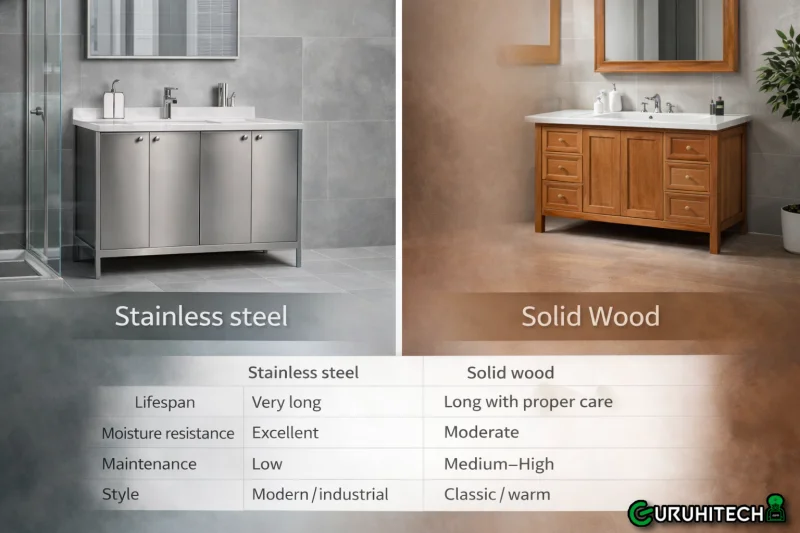
When it comes to bathroom vanity, longevity is a key consideration. Your bathroom is one of the most humid and heavily used areas in the house, and your vanity must withstand moisture, impact, and daily wear. Two of the most popular materials for bathroom vanities are stainless steel and solid wood. But when it comes to durability, which one truly stands the test of time? In this guide, we’ll dive into the pros and cons of both materials, helping you make the best decision for your bathroom.
Stainless Steel Bathroom Vanities: Durable and Contemporary
Stainless steel has become a popular material for modern bathrooms due to its sleek, minimalist appearance and functional durability. Here’s why stainless steel vanities shine in terms of longevity:
Key Advantages of Stainless Steel Bathroom Vanities
Exceptional Durability
Stainless steel is known for its resistance to wear and tear. It is highly resistant to rust, corrosion, and scratches, making it ideal for humid bathrooms. Unlike wood, it doesn’t warp or decay over time, even when exposed to consistent moisture.
Moisture and Stain Resistant
The surface of stainless steel repels water, preventing liquid from soaking in or causing long-term damage. It is also stain-resistant, ensuring it stays clean and visually appealing with minimal maintenance.
Low Maintenance
Stainless steel is easy to clean. A simple wipe with a damp cloth or a stainless steel cleaner can keep it looking polished and new. It doesn’t need sealing, refinishing, or any additional protective coatings like wood does.
Fire and Heat Resistance
Bathrooms with heated floors or stretching close to a bathtub may benefit from the fire and heat resistance offered by stainless steel. The material won’t deform or get damaged under high temperatures.
Modern Aesthetic
Stainless steel vanities bring a trendy, industrial vibe to bathrooms. Perfect for contemporary and minimalist designs, this material is popular for urban homes and ultramodern interiors.
Challenges of Stainless Steel Vanities
Prone to Fingerprints and Smudges
While the surface is durable, stainless steel can easily show fingerprints, smudges, or water spots, which may require regular cleaning for a pristine look.
Cold and Industrial Feel
Some homeowners may feel that stainless steel lacks the warmth and coziness associated with other materials like solid wood, making it seem less inviting.
Limited Customization
Unlike solid wood, which can be stained or painted to desired shades, stainless steel has fewer color and style options, sticking to its natural metallic finish or variations of polished and brushed textures.
Solid Wood Bathroom Vanities: Timeless and Classic
Solid wood has been a staple in furniture manufacturing for centuries, and it remains a favorite for bathroom vanities due to its natural beauty and timeless charm. But how does it perform in terms of longevity?
Key Advantages of Solid Wood Bathroom Vanities
Natural Strength and Beauty
High-quality solid wood, such as oak, cherry, or maple, is incredibly strong and can last for decades if properly maintained. The organic, warm aesthetic of wood adds character and a rich, cozy ambiance to any bathroom design.
Customizable Finish
Solid wood can be stained, painted, or refinished to match various decor styles. Over time, if the vanity starts to fade or show wear, it can often be restored to look brand new by sanding and refinishing.
High Value and Longevity
Solid wood vanities are considered a premium option for bathrooms, and their classic appeal often increases a home’s resale value. If built from quality wood and protected adequately, they remain beautiful and durable for years to come.
Versatile Styles
Solid wood fits seamlessly into various design aesthetics, from rustic farmhouse to modern minimalism, making it a versatile choice for homeowners who may change their decor over time.
Challenges of Solid Wood Vanities
Vulnerability to Moisture
Wood is an organic material and is naturally porous, making it susceptible to warping, cracking, or rotting if exposed to prolonged moisture. High-humidity bathrooms must ensure excellent ventilation to preserve solid wood vanities.
Maintenance Requirements:
Solid wood typically requires sealing and regular polishing to protect its surface from water damage and fading. Over time, the topcoat or finish may need to be reapplied.
Expense
Solid wood vanities are usually more expensive than stainless steel options, especially if crafted from premium hardwoods like teak, mahogany, or oak.
Weight and Installation
Due to the heavy nature of solid wood, these vanities can require more effort to install, especially in smaller bathrooms or during partial renovations.
Which One Lasts Longer?
If your priority is durability in high-humidity bathrooms, stainless steel is the winner. It resists water damage, requires less maintenance, and is built to handle daily wear and tear without showing its age. Ideal for modern or industrial designs, stainless steel vanities are perfect for busy bathrooms that require durability above all else.
On the other hand, if you’re looking for classic, versatile elegance, solid wood is an excellent investment. While it’s more vulnerable to moisture and requires regular maintenance, its natural strength and refinishing options mean it can last for decades with proper care. Its warmth and timeless appeal are unmatched, making it a favorite in traditional and transitional design styles.
For the longest lifespan, solid wood paired with proper sealing and high-quality ventilation wins in the long term, but stainless steel is far less likely to suffer damage with minimal upkeep.
Which Should You Choose?
The choice between stainless steel and solid wood bathroom vanities depends largely on your style preferences, lifestyle, and budget:
Choose stainless steel if:
You need a low-maintenance, moisture-resistant vanity.
You love modern, minimalist aesthetics.
Your bathroom lacks excellent ventilation.
Choose solid wood if:
You prioritize timeless design and versatility.
You’re willing to maintain the surface regularly.
You want an option that can increase the value of your home.
Both materials have their pros and cons, but either can work beautifully in your bathroom if chosen and maintained carefully.
Ti potrebbe interessare:
Segui guruhitech su:
- Google News: bit.ly/gurugooglenews
- Telegram: t.me/guruhitech
- Facebook: facebook.com/guruhitechfb
- Instagram: instagram.com/guruhitech_official/
- X (Twitter): x.com/guruhitech1
- Bluesky: bsky.app/profile/guruhitech.bsky.social
- Rumble: rumble.com/user/guruhitech
- VKontakte: vk.com/guruhitech
- MeWe: mewe.com/i/guruhitech
- Skype: live:.cid.d4cf3836b772da8a
- WhatsApp: bit.ly/whatsappguruhitech
Esprimi il tuo parere!
Ti è stato utile questo articolo? Lascia un commento nell’apposita sezione che trovi più in basso e se ti va, iscriviti alla newsletter.
Per qualsiasi domanda, informazione o assistenza nel mondo della tecnologia, puoi inviare una email all’indirizzo [email protected].
Scopri di più da GuruHiTech
Abbonati per ricevere gli ultimi articoli inviati alla tua e-mail.